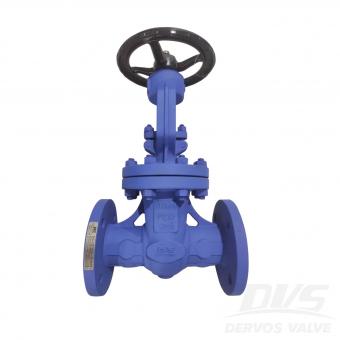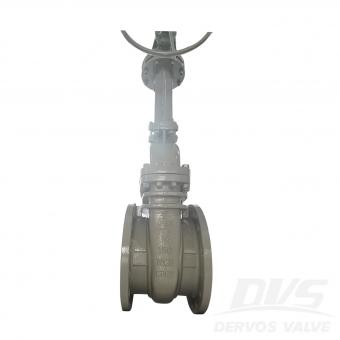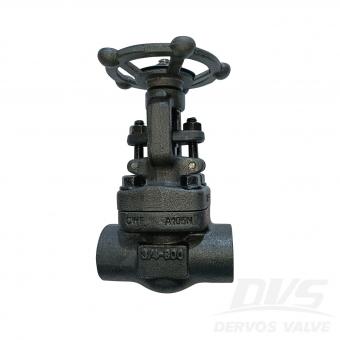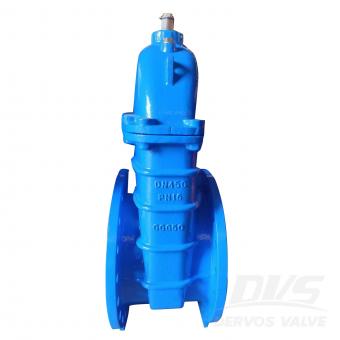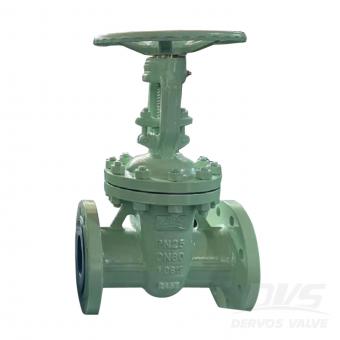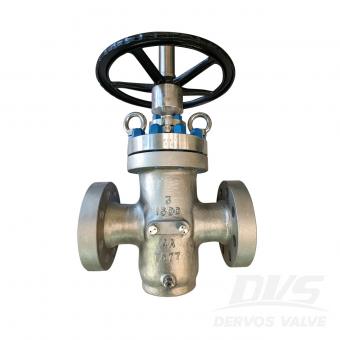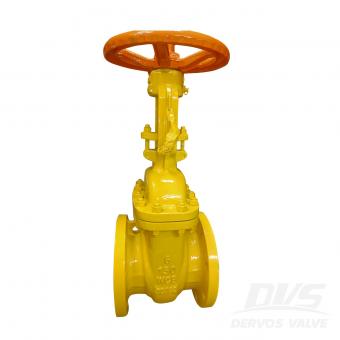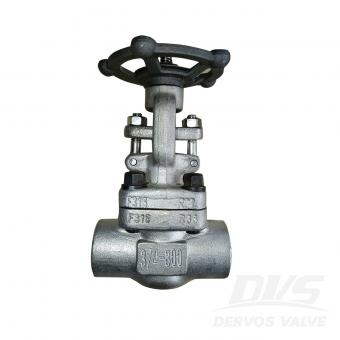


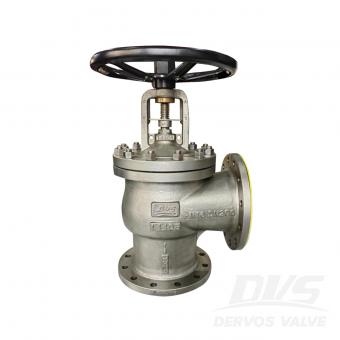
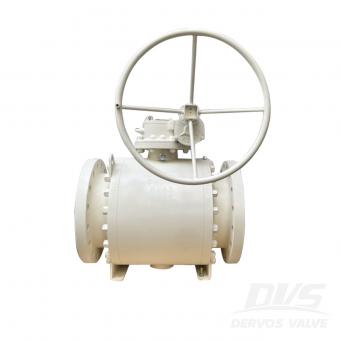
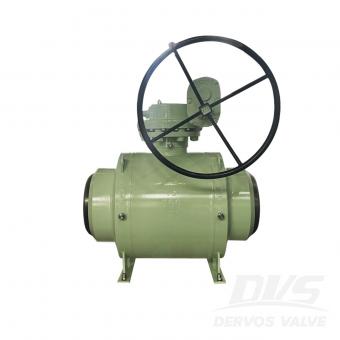
Available in Cast Steel, Forged Steel, Alloy Steel bodies with bolted or flanged bonnet, featuring:
· Size range: 2'' to 48'' (DN50 to DN1200)
· Pressure range: Class 150 to 2500 (PN16 to PN420)


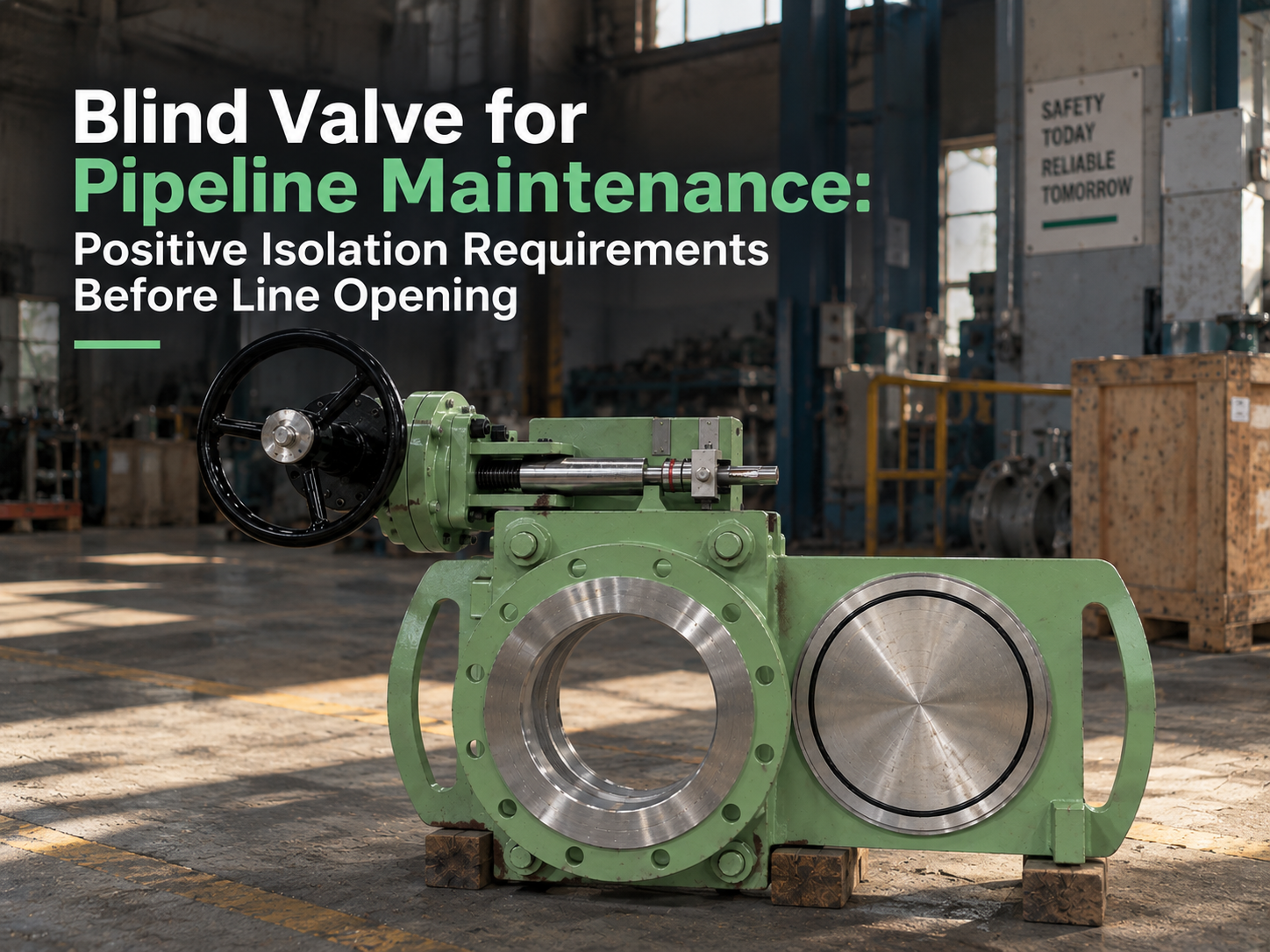
Before a pipeline is opened, a blind valve should be treated as one part of an isolation system, not as a permit by itself. Its value is that it can place a visible physical barrier in the line, but that barrier only becomes meaningful when the site has also isolated, depressurized, drained, vented, locked, tagged, tested, and verified the correct section of piping. Line opening is the moment when weak isolation becomes real. A closed valve may pass. A bleed point may be plugged. A drawing may be outdated. Liquid may remain trapped in a low point. Gas may migrate from an unexpected connection. This is why positive isolation for pipeline maintenance has to be judged as a chain of proof, not a single valve feature. The Isolation Boundary Must Be Proven on the Drawing and in the Field The first requirement is knowing exactly what is being isolated. Maintenance teams usually start from the P&ID or isolation plan, but the field verification is just as important. Tie-ins, bypasses, drains, vents, sample points, small-bore branches, equalizing lines, instrument connections, and thermal relief paths can all create energy routes around the expected isolation point. A blind valve installed in the correct location can give strong physical isolation. Installed on the wrong side of a branch connection, it may protect the main line while leaving the work face exposed to pressure or hazardous material from a side path. That is not a valve failure; it is an isolation boundary failure. Before line opening, the isolation plan should identify the upstream and downstream sources, the section to be opened, all possible re-pressurization routes, and the exact valve position required. The field check should confirm tag numbers, flow direction, blind position, locking status, and whether the valve can be seen and reached safely. Positive Isolation Is More Than Seat Leakage A blind valve differs from a normal shutoff valve because it uses a solid blind plate, spectacle plate, or sliding/swinging blind mechanism to block the bore. This reduces reliance on seat tightness alone. For maintenance work involving flange breaking, equipment opening, hot work, confined-space entry, or hazardous media, that physical barrier can be more defensible than a closed gate, globe, or ball valve. Still, the phrase “positive isolation” should not be used loosely. The blind must be in the correct position, fully seated, mechanically restrained, locked or tagged according to the site procedure, and confirmed by position indication that maintenance personnel can understand. If the mechanism is stiff, partly engaged, poorly marked, or difficult to verify from the work area, the valve’s theoretical advantage becomes weaker. The seal arrangement also matters. Some line blind valves rely on resilient seals, graphite seals, metal seating surfaces, or combined sealing designs depending on temperature, pressure, and ...
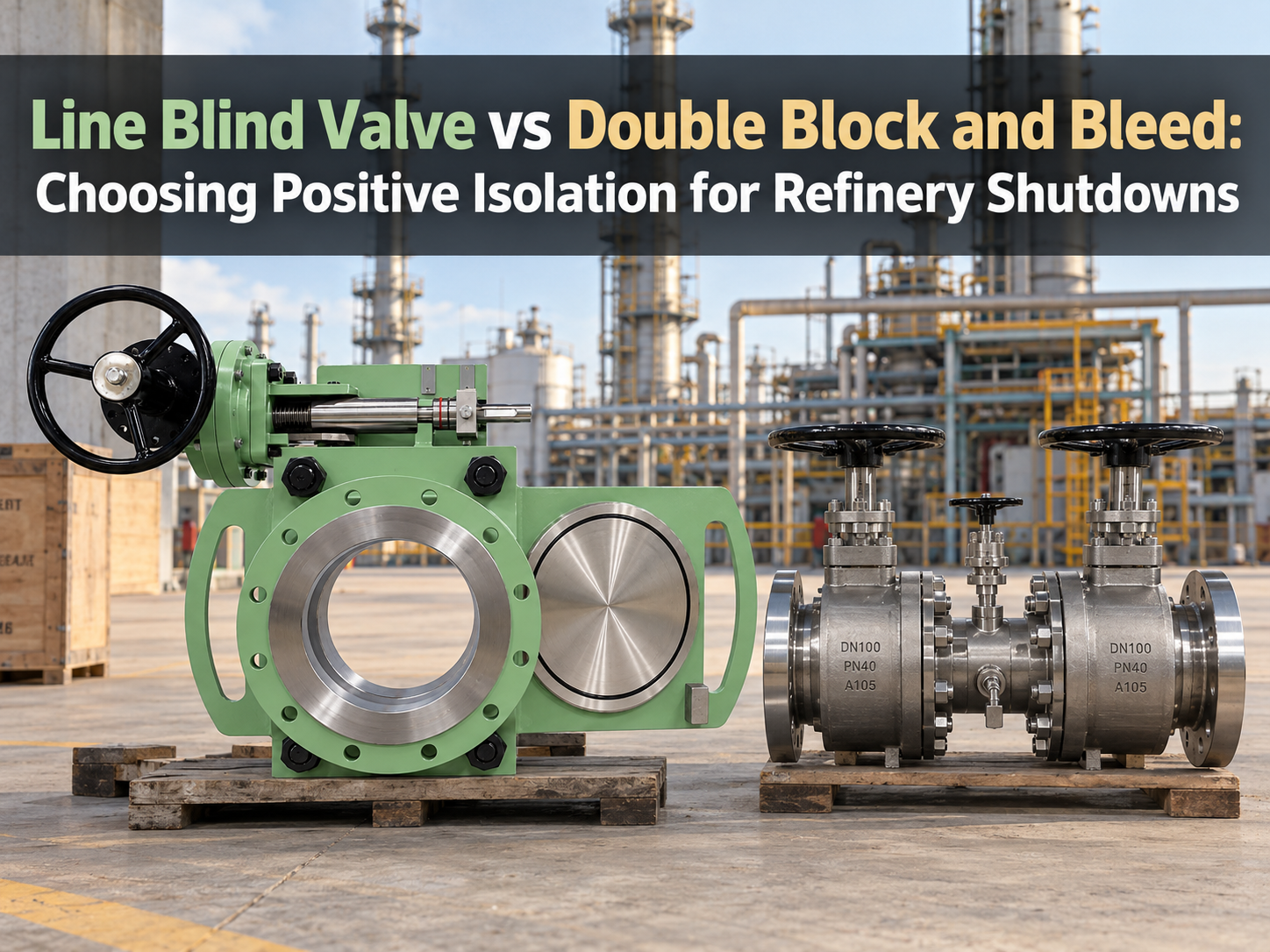
In refinery shutdowns, the choice between a line blind valve and double block and bleed is not a contest between one safe method and one unsafe method. Both can be valid isolation methods, but they control risk in different ways. A line blind valve creates isolation by moving a solid blind plate into the pipeline bore. The isolation is visible and mechanical. A double block and bleed arrangement isolates by closing two barriers and opening a bleed or vent between them, so trapped pressure or leakage can be released or monitored. The engineering question is not only “which one seals better?” It is “what work will happen after isolation, and how much reliance can the site accept on valve seats, bleed monitoring, and procedure control?” Shutdown Work Changes the Isolation Standard Routine instrument work, sampling maintenance, or short inspection tasks may justify a different isolation method from hot work, vessel entry, flange breaking, or long-duration turnaround maintenance. In a refinery, the same hydrocarbon line may be low-risk in one task and high-risk in another because the exposure changes. A DBB arrangement is useful when the work needs fast, verifiable valve isolation without moving a blind plate into the bore. The bleed point gives operators a way to confirm whether pressure is trapped between the isolation points or whether one of the seats may be passing. For many operating teams, that makes DBB practical for frequent or temporary isolation where breaking containment would add more work and more exposure. A line blind valve becomes stronger when the job needs visible physical separation from a live or potentially live system. If the isolated equipment will be opened, entered, welded, cleaned, or left out of service during a shutdown window, a solid blind plate reduces dependence on seat tightness. The valve still needs proper operation, locking, marking, and testing, but the core barrier is no longer only a seating surface. Where DBB Earns Its Place DBB is attractive because it can reduce downtime. A compact DBB valve or a two-valve DBB arrangement can isolate, bleed, and verify without removing a spool or installing a separate blind flange. For refinery units with many small-bore connections, drains, vents, sampling points, or instrument take-offs, that speed matters. The risk with DBB is that its safety case still depends on seat integrity, correct bleed routing, pressure monitoring, and disciplined lockout practice. If the bleed is not routed to a safe location, it may create a release hazard. If operators close two valves but do not prove the bleed, the system may only look isolated. If the valves have seat damage from coke, catalyst fines, thermal cycling, corrosion, or debris, the bleed point may reveal leakage rather than eliminate it. This is why DBB should be described clearly in the shutdown plan. Does the project mean two separate inline isolation valves with a drain...
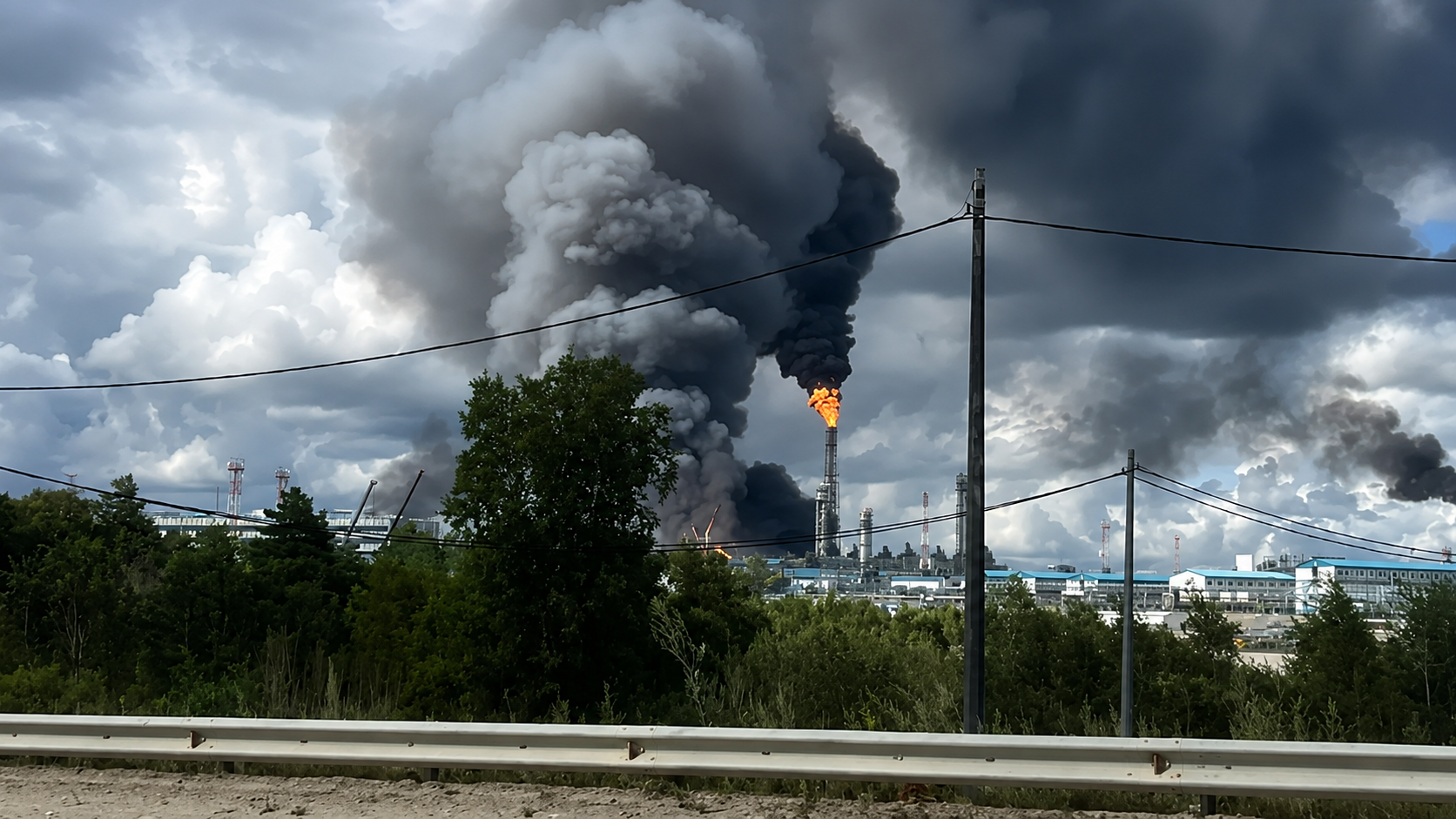
Fact Statement: The fire is still under investigation, and publicly available information has not yet confirmed the exact cause of the accident. Therefore, this article does not analyze the cause of the accident, nor does it attribute the accident to any specific valve, piping component, or equipment. Instead, it focuses on valve safety issues commonly involved in the commissioning of large-scale chemical facilities. On August 25, 2026, a serious fire occurred at the Amur Gas Chemical Complex (AGCC) in the Amur Region of Russia’s Far East. As of August 26, the accident had resulted in 7 deaths, 152 injuries, and 9 people missing. According to an official statement from AGCC, the fire occurred in the auxiliary process section of the plant’s pyrolysis unit, while the main project equipment was not damaged. This accident is deeply distressing and once again reminds us that, in natural gas chemical projects, the safety of auxiliary process sections, particularly the reliability of valves, is by no means an “auxiliary” issue. 1. What Is the Auxiliary Process Section of a Cracking Unit? An ethylene cracking unit is an extremely complex system with highly demanding process requirements. The cracking furnace is the heart of the unit, where natural gas or naphtha is cracked at temperatures above 800°C into basic chemical feedstocks such as ethylene and propylene. The Auxiliary Technological Section, although not located at the center of the high-temperature reaction like the cracking furnace, is responsible for providing stable utilities and various auxiliary media for the entire unit, ensuring the continuous and safe operation of the main unit. The auxiliary process section mainly includes the following seven subsystems: 1. Fuel Gas/Fuel Oil System: This includes fuel gas buffer vessels, knockout drums, fuel oil pumps, strainers, and burners, and is responsible for supplying stable and clean fuel to the cracking furnace. 2. Steam System: The core equipment is the Steam Drum, which generates and distributes the dilution steam, high-pressure steam, and other steam required by the unit. 3. Feedwater and Condensate System: This includes deaerators, boiler feedwater pumps, condensate recovery tanks, and other equipment responsible for supplying and treating qualified water for the steam system. 4. Compression and Refrigeration System: This includes multistage compressors, intercoolers, separators, and refrigeration compressors, which are used to compress and cool cracked gas and provide refrigeration for downstream separation. 5. Drying and Purification System: This mainly consists of molecular sieve dryers used to remove trace moisture from cracked gas and prevent freezing and blockage of downstream equipment at low temperatures. 6. Relief and Flare System: This includes flare knockout drums, flare tips, and other equipment used to safely burn and dispose of com...

A gate valve, also known as a sluice valve, is a valve that opens by lifting a barrier (gate) out of the path of the fluid.” The main function of a gate valve is to cut off the medium. Dervos has been supplying gate valves for more than 10 years, from API 600 wedge gate valve, API 6D through conduit gate valve, API 6A wellhead gate valve to knife gate valve, pressure seal gate valve, bellow seal gate valve, expanding gate valve, carbon steel gate valve, stainless steel gate valve to cast iron gate valve and etc.
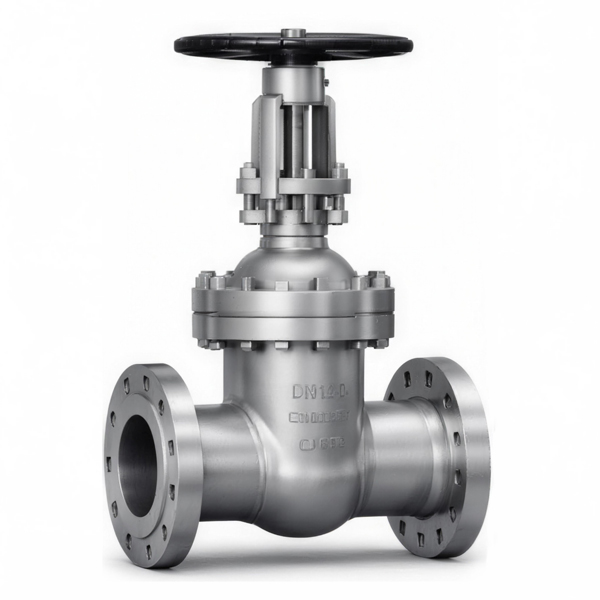
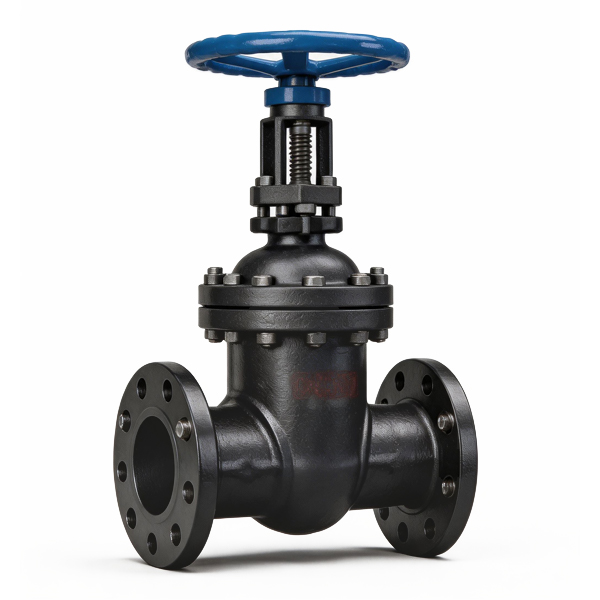
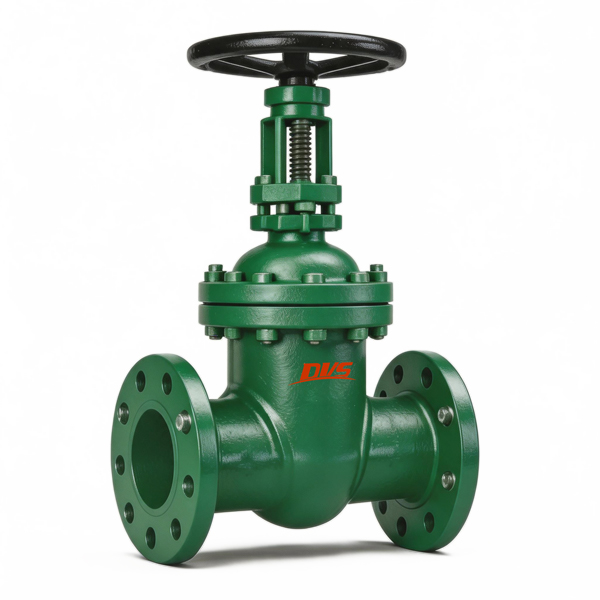
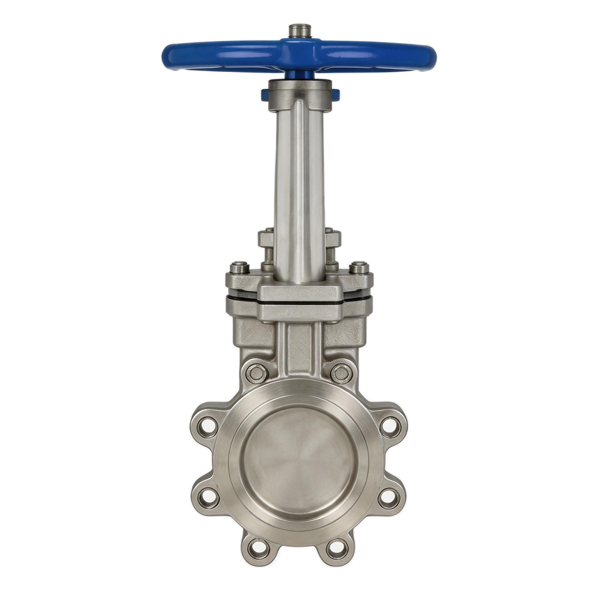
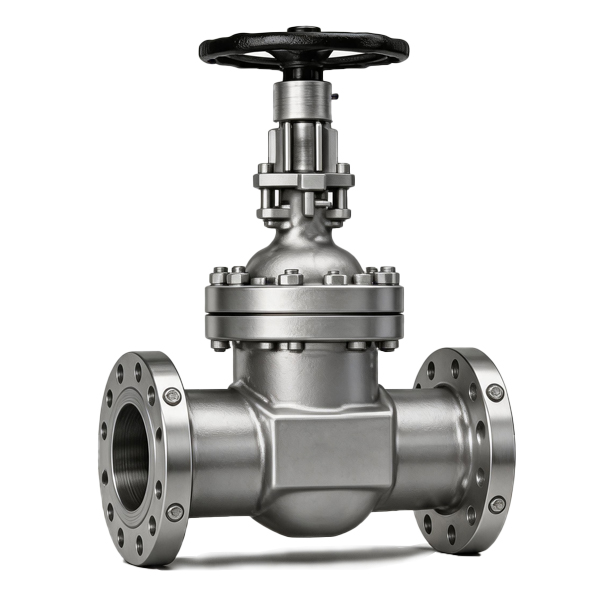
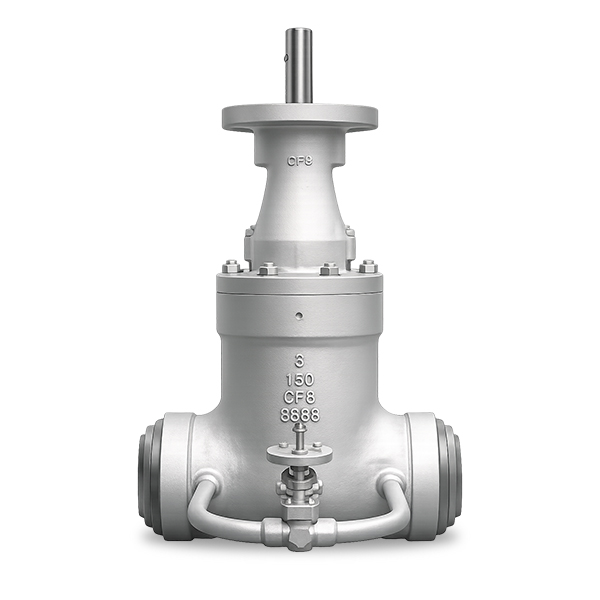
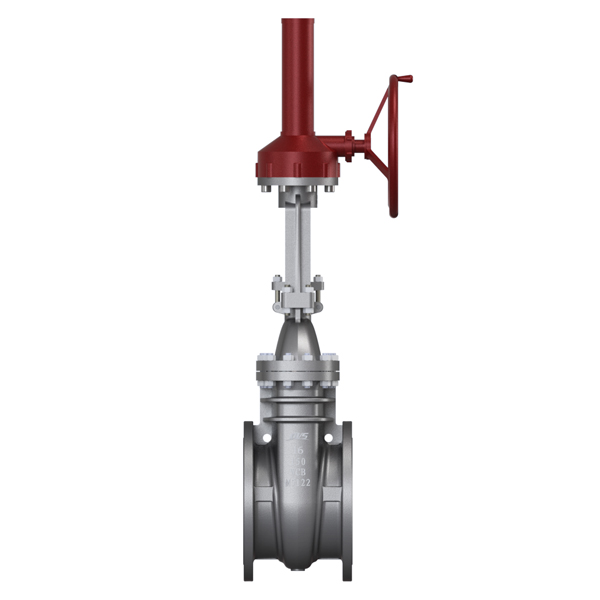
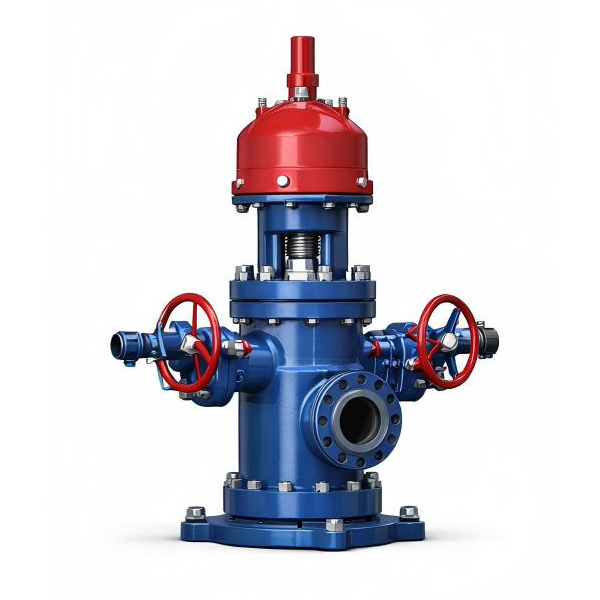
Size: from 2'' to 72'' (from DN 50 to DN 1800)
Pressure: from Class 150 to Class 2500 (from PN 10 to PN 420)
Material: Carbon Steel, Stainless Steel, Alloy Steel, Duplex Stainless Steel, Super Duplex, Nickel Alloy, Cast Iron, Ductile Iron
1.Low Fluid Resistance for Smooth Flow
The straight-through flow path ensures minimal pressure loss, making gate valves suitable for large-diameter pipelines and long-distance fluid transmission.
2.Reliable Shut-Off Performance
With a wedge, parallel, or flexible gate design, gate valves deliver tight sealing when fully closed, ensuring dependable isolation even under high pressure.
3.Simple Open/Close Mechanism
Operated by turning the handwheel or actuator to raise or lower the gate, the valve achieves complete separation of the flow with clear open and close positions.
4.Full-Open Design with No Flow Obstruction
When fully opened, the gate retracts completely out of the flow passage, providing an unobstructed full-bore design ideal for pigging and minimal erosion.
5.Automation-Compatible
Gate valves can be equipped with electric, pneumatic, or hydraulic actuators to support remote control and integration into automated pipeline systems.
6.Multiple Operation Modes Available
Electric actuator gate valve, gear-operated gate valve, pneumatic gate valve, hydraulic operated gate valve, manual gate valve, rising stem and non-rising stem configurations, etc.
7.Various Connection Ends Available
Flanged ends connection, threaded connection, NPT threaded gate valve, butt-weld end, socket-weld end, wafer-type connection, lug-type connection, etc.
1.Oil and Gas Industry
Gate valves for the oil and gas industry, suitable for crude oil and natural gas transmission pipelines, wellhead isolation, block valve stations, and long-distance trunk lines.
2.Chemical and Pharmaceutical Industry
Suitable for corrosive, high-temperature, or high-pressure media, and widely used in process pipelines, storage tanks, and chemical isolation systems.
3.Power Industry
Ideal for high-temperature and high-pressure steam pipelines, boiler feed-water systems, cooling water networks, and auxiliary power plant equipment.
4.Water Treatment and Environmental Protection Projects
Suitable for municipal water supply systems, wastewater treatment, desalination plants, and large-diameter pipeline isolation in environmental engineering.
5.Building and HVAC Systems
Used in building water supply networks, fire-fighting systems, heating loops, and central air-conditioning pipeline isolation.
1. What is a gate valve used for?
A gate valve is used for fully opening or fully shutting off fluid flow in pipelines.
2.Gate valve price DN100 PN16?
Prices vary by material and standard — request a quotation for exact pricing.
3.Rising stem gate valve vs non-rising stem gate valve?
One-line answer: Rising stem shows position; non-rising stem saves space — full types available.
4.Which is better for my pipeline: cast steel or forged steel gate valves?
Forged steel is ideal for smaller, high-pressure valves, while cast steel suits larger diameters and moderate pressures. Explore our product range to find the right choice.
5.What types of gate valves are recommended for water pipelines with different pressure ratings?
We provide DN50–DN1200 gate valves with PN10–PN40 ratings suitable for reliable water pipeline isolation. Detailed dimensions and models are available online.
6.Which gate valves can be used safely in oil and gas pipelines?
Our API-compliant gate valves ensure safe operation under high-pressure oil and gas conditions. Visit our site to check materials, sizes, and pressure ratings.
api 600 gate valve | api 6d through conduit gate valve | api 6a wellhead gate valve | wedge gate valve | knife gate valve | pressure seal gate valve | bellow seal gate valve | expanding gate valve | cast steel gate valve | stainless steel gate valve | forged steel gate valve | ductile iron gate valve | cast iron gate valve | carbon steel gate valve | cryogenic gate valve | low temperature gate valve | high temperature gate valve | rising stem gate valve | non rising stem gate valve | pneumatic actuated gate valve | electric actuated gate valve | gear operated gate valve | hydraulic gate valve | flanged gate valve | butt weld gate valve | socket weld gate valve | threaded gate valve | npt threaded gate valve | wafer gate valve | lug type gate valve
Copyright © 2015-2026 DERVOS VALVE CO.,LTD.All Rights Reserved Blog / Sitemap / XML / Privacy Policy