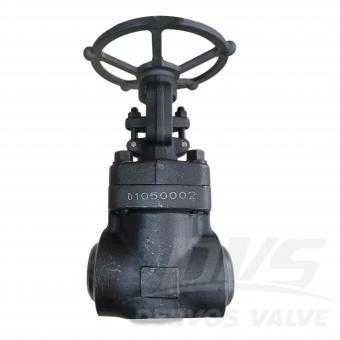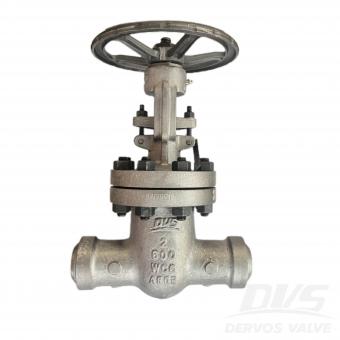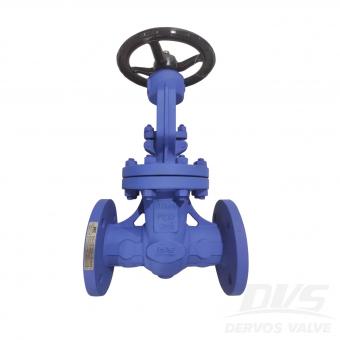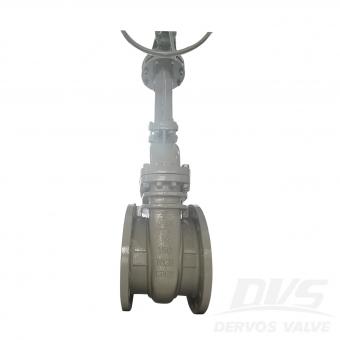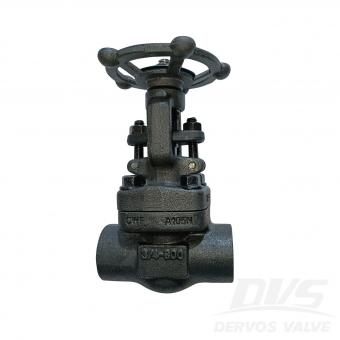


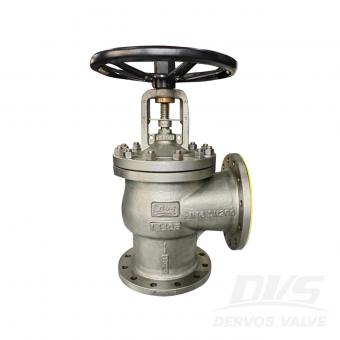
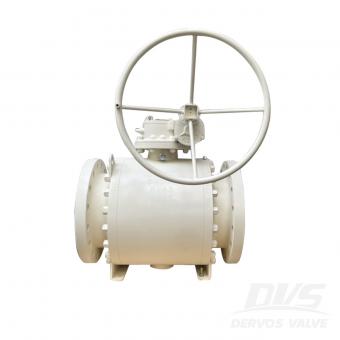
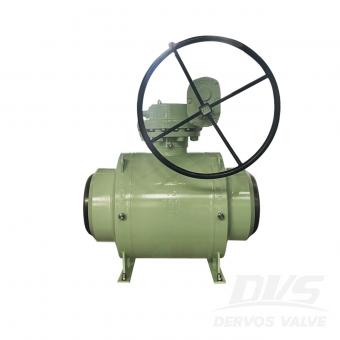
Available in Cast Steel, Forged Steel, Alloy Steel bodies with bolted or flanged bonnet, featuring:
· Size range: 2'' to 48'' (DN50 to DN1200)
· Pressure range: Class 150 to 2500 (PN16 to PN420)


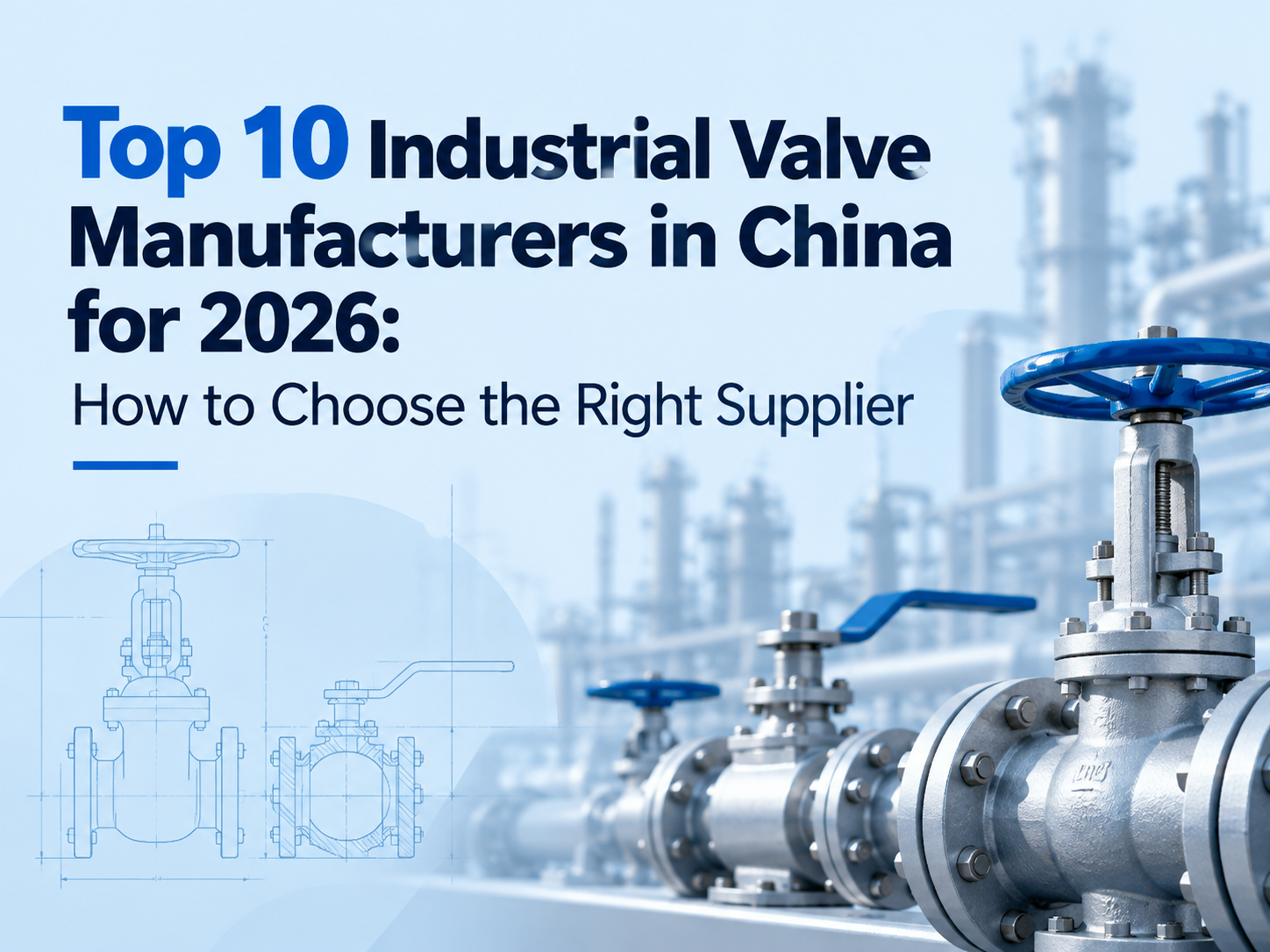
1. Suzhou Neway Valve Co., Ltd. — NEWAY NEWAY is one of China's most internationally recognized industrial valve manufacturers. Its product range includes ball valves, gate valves, globe valves, check valves, butterfly valves, cryogenic valves, subsea valves, and other engineered valve solutions. The company has strong experience in oil and gas, LNG, petrochemical, offshore, and power applications. Best suited for: large-scale energy projects and severe-service applications. 2. CNNC Sufa Technology Industry Co., Ltd. CNNC SUFA is well known for its experience in nuclear power and other high-integrity industrial applications. The company has strong capabilities in material traceability, engineering control, testing, and specialized valve manufacturing. Its products are also used in petroleum, petrochemical, power, and chemical industries. Best suited for: nuclear power, high-integrity systems, and technically demanding projects. 3. DERVOS VALVE DERVOS VALVE supplies industrial valves to customers in oil and gas, petrochemical, power generation, water treatment, marine, and general industrial applications. Its main products include ball valves, gate valves, globe valves, check valves, butterfly valves, plug valves, knife gate valves, line blind valves, and strainers. DERVOS supports international standards such as API, ASME, EN, and DIN, and can provide carbon steel, stainless steel, alloy steel, duplex stainless steel, low-temperature steel, and other materials. One of its key strengths is flexibility. DERVOS can support mixed valve packages, small-to-medium quantities, customized specifications, and project-specific documentation. Best suited for: overseas distributors, EPC projects, customized valves, mixed orders, and flexible sourcing requirements. 4. Yuanda Valve Group Yuanda Valve Group is one of China's large-scale valve manufacturers with broad production capacity. Its product range includes gate valves, globe valves, check valves, butterfly valves, ball valves, and other general industrial valves. The company is widely involved in water supply, HVAC, municipal infrastructure, power, and industrial pipeline projects. Best suited for: large-volume standardized valve procurement and general industrial applications. 5. Jiangsu Shentong Valve Co., Ltd. Jiangsu Shentong focuses strongly on specialized valve applications in metallurgy, energy, nuclear power, and chemical industries. Its strength lies in engineered products for demanding operating conditions rather than only standard valve production. Best suited for: metallurgy, energy, chemical processing, and specialized industrial applications. 6. Chaoda Valves Group Co., Ltd. Chaoda Valves Group serves petroleum, chemical, natural gas, power, and other process industries. Its product range includes ball valves, gate valves, globe valves, check valves, butterfly valves, and special-purpose industrial valves. The company has experience with corro...
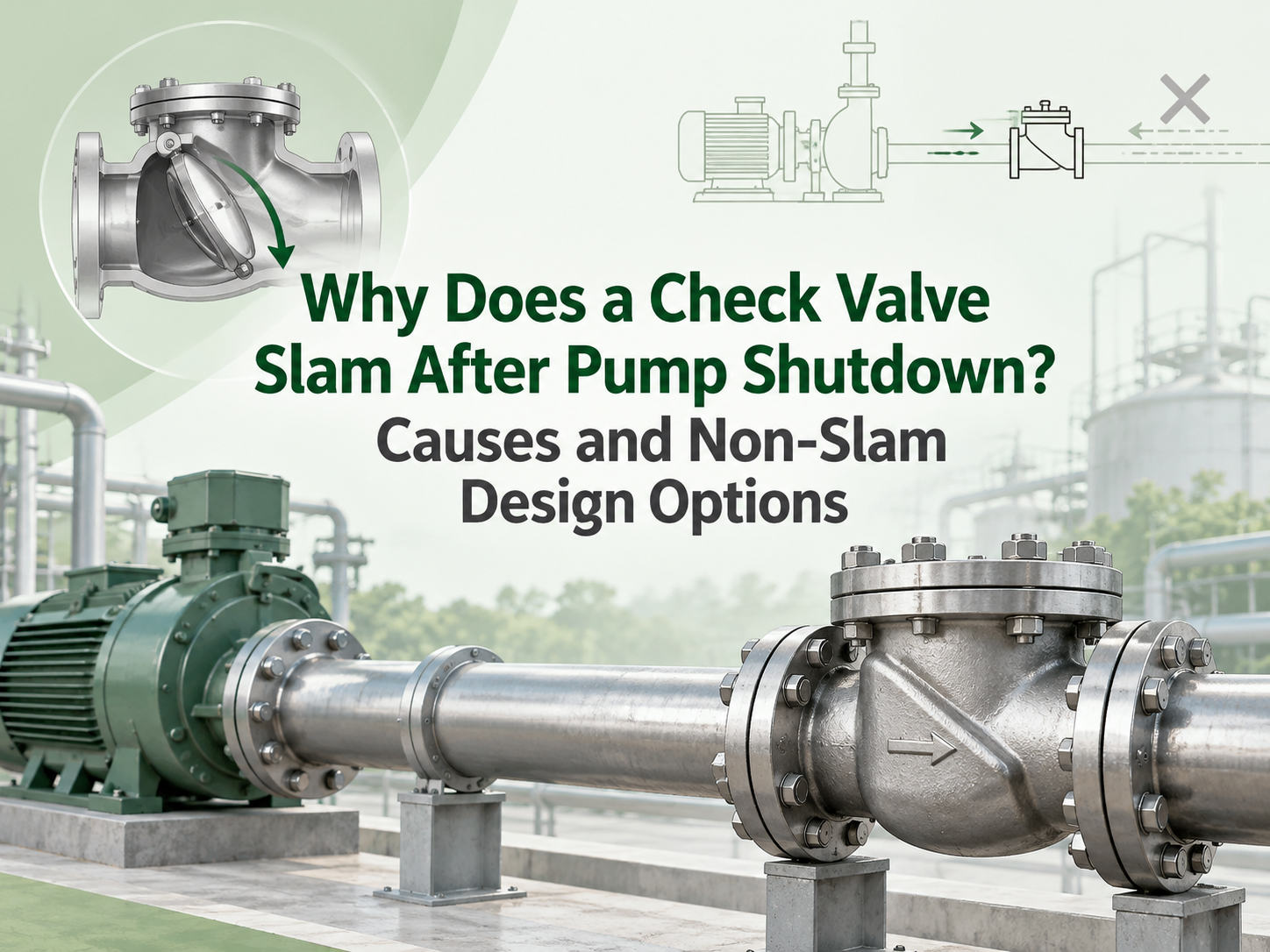
A check valve slams after pump shutdown when flow reverses before the closure member reaches its seat. The valve then stops that reverse velocity abruptly, creating a pressure wave through the piping. The damaging event is usually the rapid arrest of the liquid column, not simply the disc hitting the seat. A “non-slam” label alone is not a solution; the valve response must suit the system's flow deceleration. The Valve Is Closing Too Late for the Shutdown Transient When pump torque disappears, forward velocity falls. Static head, a pressurised common header or another running pump may then drive liquid back toward the stopped pump. If inertia and hinge friction keep a conventional swing disc open through zero flow, reverse velocity develops before the disc reaches its seat. High static lift, a steep rising main, short pump coast-down, parallel pumps and high initial velocity can accelerate this reversal. A long-stroke or high-inertia valve is more likely to lag. This is why the same valve may run quietly in one system and slam in another: nominal size and pressure class do not define shutdown behaviour. Confirm the Event Before Changing the Valve A single hard bang after shutdown points toward check-valve closure or another surge event. Continuous clicking during forward flow is chatter, which more often indicates unstable partial opening, pulsation or poor hydraulic sizing. Record the stop command, motor speed decay, flow direction and pressures on both sides of the valve on a common time base. A high-speed video of an external lever or position indicator can help show when the valve closes. For consequential systems, fast pressure logging is more reliable than sound alone. Inspect the hinge, shaft, spring and seat for friction, wear, deposits or damage, and verify the permitted installation orientation. Check pipe supports as well; the pressure wave may produce its loudest noise away from the valve. Non-Slam Designs Use Different Closing Strategies An axial-flow or nozzle check valve uses a light, centrally guided disc, short travel and spring assistance. It begins closing as forward flow falls, ideally seating before appreciable reversal. It is a strong candidate for rapid pump trips, but pressure loss, cracking pressure, minimum stable flow, orientation and tolerance of solids still matter. A spring-assisted dual-plate valve uses two lighter plates and shorter travel than a conventional swing disc. Its compact construction can improve response, but “dual plate” does not mean slam-free. Plate inertia, spring torque, size and mounting position remain relevant. Tilting-disc, resilient-hinge and spring-assisted swing designs reduce travel or assist closure while retaining a relatively open flow path. They can suit large water lines where energy loss matters, provided dynamic data supports the selected design and size. Large pumping mains ma...
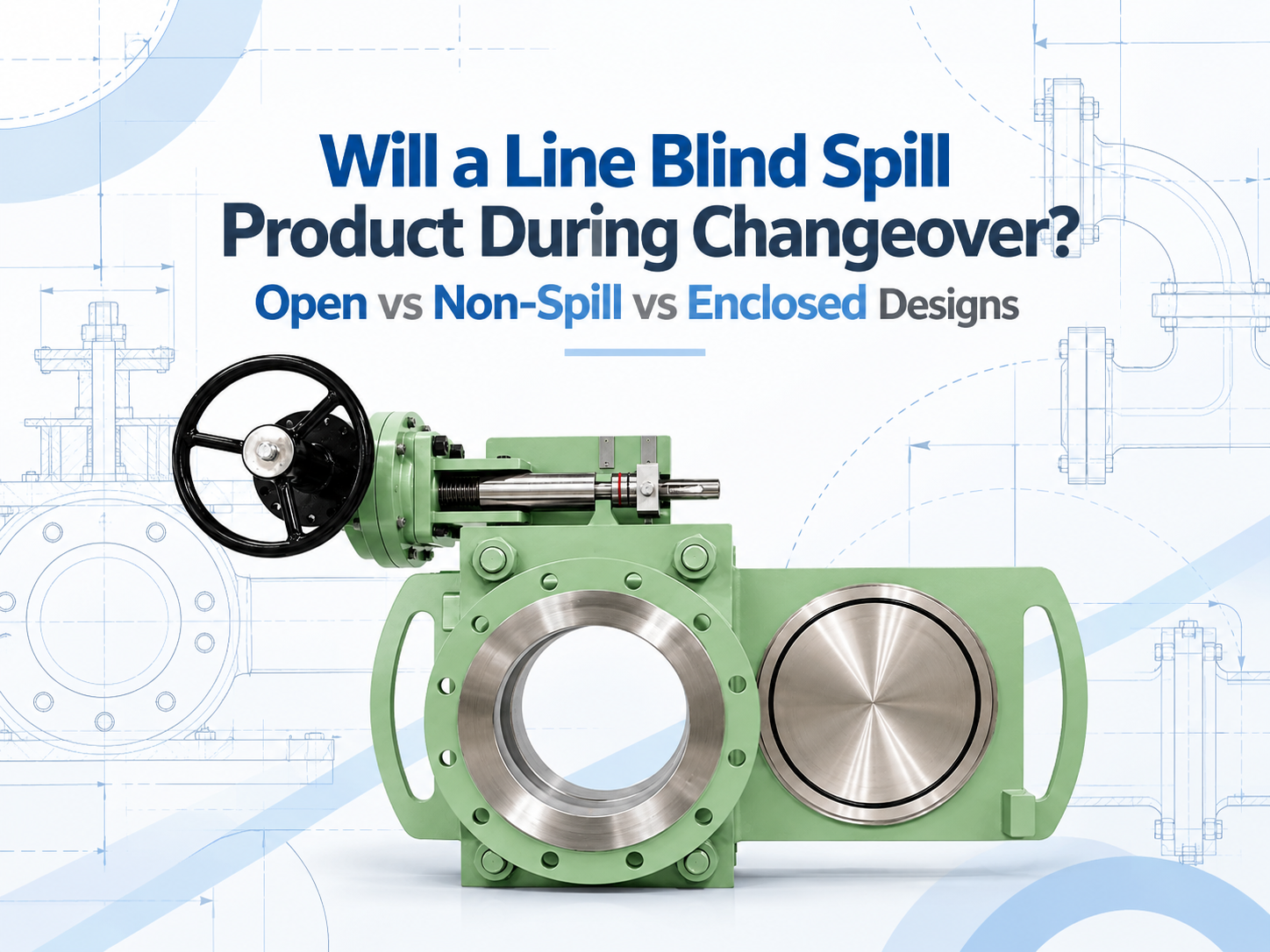
Yes, an open-body line blind can release residual product when it changes between the open and blind positions. A non-spill design does not make that residue disappear; it catches the liquid in a partial enclosure and directs it to a drain. An enclosed design can provide better control of liquid and vapour, but only when its housing, drain, vent and purge connections are engineered for the service. None of these labels should be read as permission to move the blind under live line pressure. Why Product Can Escape During Changeover When a line blind is fully clamped, its seals contain the process and the solid plate provides positive isolation in the blind position. Changeover is different. The sealing faces must separate before the spectacle or sliding plate can move. During that interval, the body cavity and plate path may be open to the surrounding area. The line should already be isolated, depressurised and drained, but “drained” rarely means perfectly dry. Liquid can remain as a film on the plate, collect in the lower body, or sit in a poorly drained pipe pocket. Gas service may leave flammable, toxic or odorous vapour. The amount released therefore depends as much on piping layout and the shutdown procedure as on the line blind itself. The Three Designs Manage Residue Differently Open-body design Residual liquid can drip from the exposed plate path into a temporary tray or the work area, while vapour disperses locally. This arrangement can suit water, steam condensate or other manageable media where easy access and visual inspection matter. It presents the highest potential for floor contamination and operator exposure. Non-spill design A bottom-and-side cover catches drips and sends them to a drain or recovery container; the top may remain open. This design is commonly considered for fuel terminals, marine service and liquid duties where ground or deck contamination must be controlled. It reduces dripping but may not contain vapour, and a blocked drain defeats its purpose. Enclosed design A housing surrounds more or all of the plate travel and may connect to a closed drain, purge, vent, flare or vapour-recovery system. It is better suited to toxic, flammable, odorous or environmentally sensitive service requiring controlled containment. The tradeoff is greater complexity in purging, inspection and maintenance, together with the need to manage trapped pressure deliberately. These names are not perfectly standardised across manufacturers. One supplier's “non-spill” model may be open at the top, while another product described as enclosed may use a more complete casing. The RFQ should show the enclosure arrangement and identify every opening rather than relying on the product name. Non-Spill Does Not Automatically Mean Zero Release For a liquid with low volatility, catching the remaining drops and routing them into a closed contai...

A gate valve, also known as a sluice valve, is a valve that opens by lifting a barrier (gate) out of the path of the fluid.” The main function of a gate valve is to cut off the medium. Dervos has been supplying gate valves for more than 10 years, from API 600 wedge gate valve, API 6D through conduit gate valve, API 6A wellhead gate valve to knife gate valve, pressure seal gate valve, bellow seal gate valve, expanding gate valve, carbon steel gate valve, stainless steel gate valve to cast iron gate valve and etc.
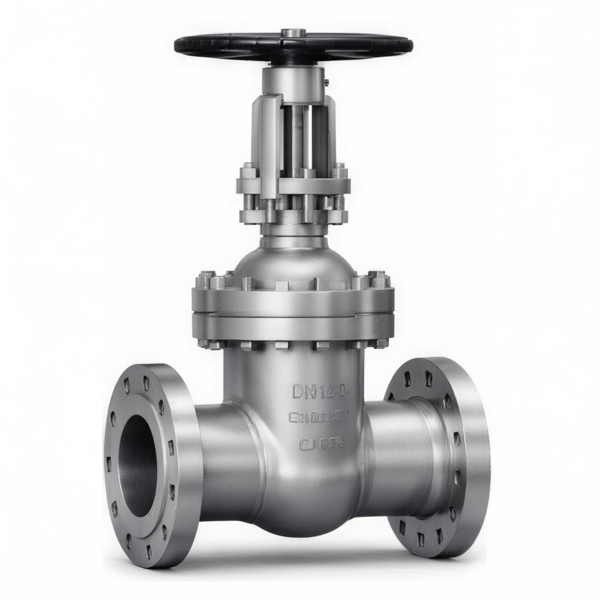
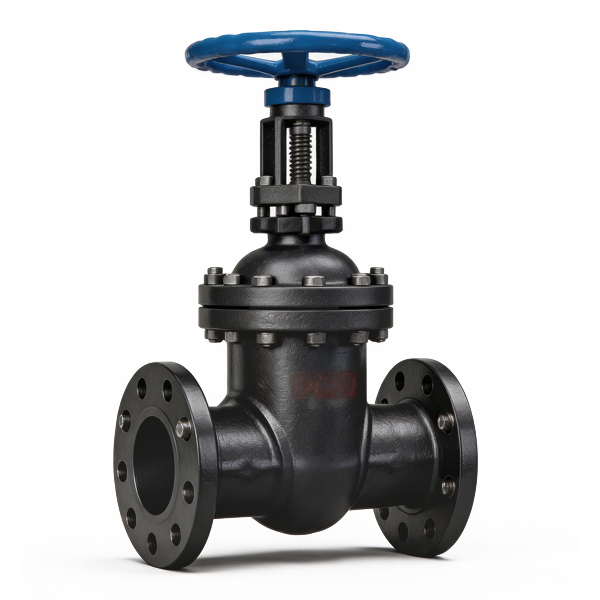
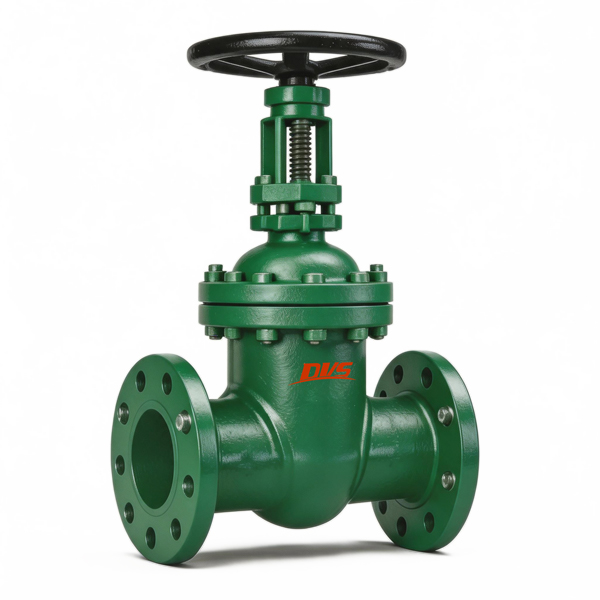
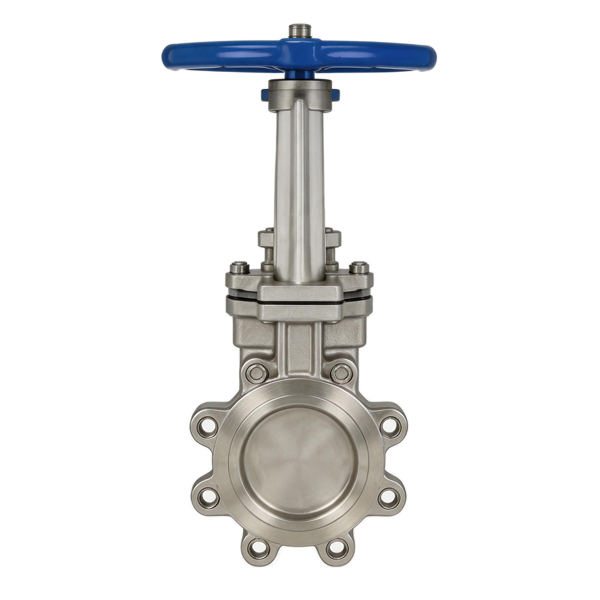
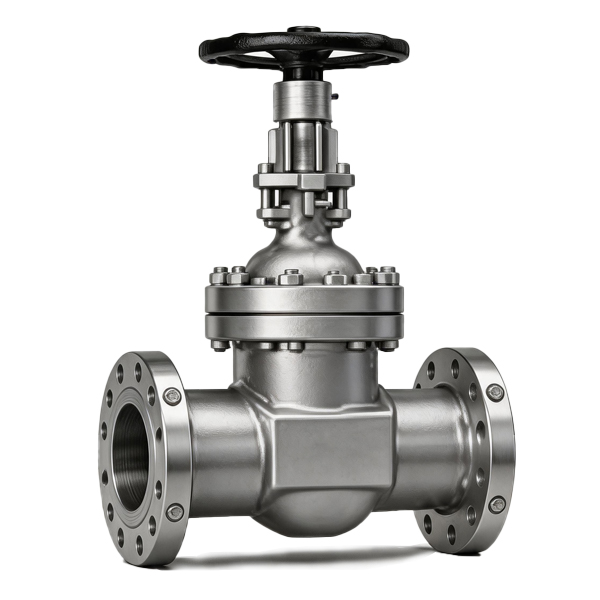
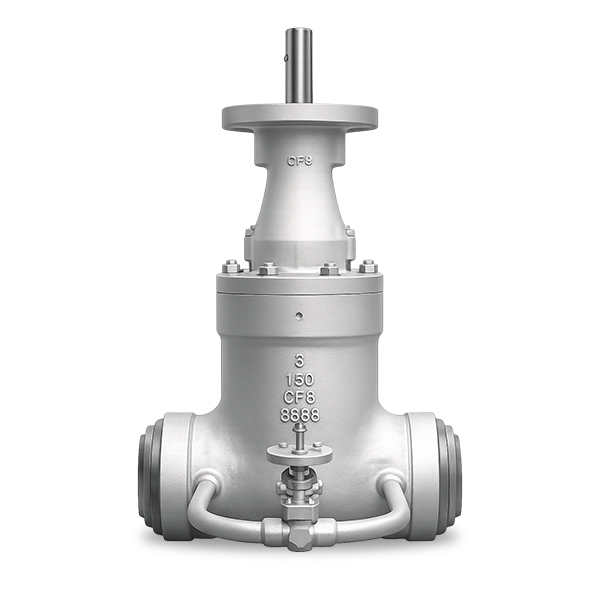
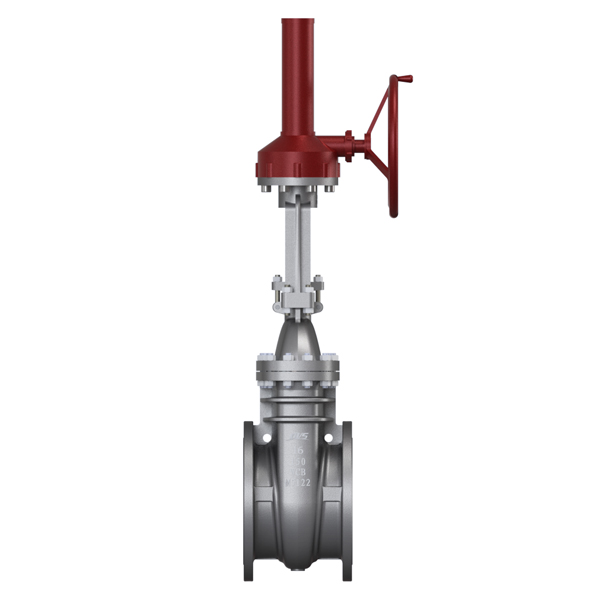
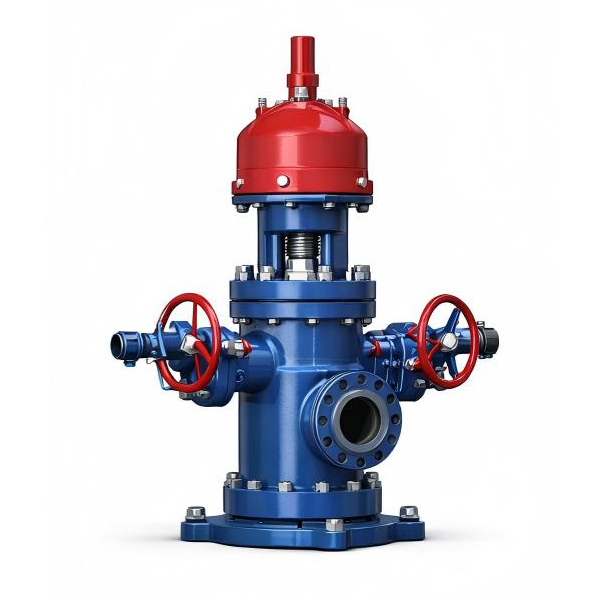
Size: from 2'' to 72'' (from DN 50 to DN 1800)
Pressure: from Class 150 to Class 2500 (from PN 10 to PN 420)
Material: Carbon Steel, Stainless Steel, Alloy Steel, Duplex Stainless Steel, Super Duplex, Nickel Alloy, Cast Iron, Ductile Iron
1.Low Fluid Resistance for Smooth Flow
The straight-through flow path ensures minimal pressure loss, making gate valves suitable for large-diameter pipelines and long-distance fluid transmission.
2.Reliable Shut-Off Performance
With a wedge, parallel, or flexible gate design, gate valves deliver tight sealing when fully closed, ensuring dependable isolation even under high pressure.
3.Simple Open/Close Mechanism
Operated by turning the handwheel or actuator to raise or lower the gate, the valve achieves complete separation of the flow with clear open and close positions.
4.Full-Open Design with No Flow Obstruction
When fully opened, the gate retracts completely out of the flow passage, providing an unobstructed full-bore design ideal for pigging and minimal erosion.
5.Automation-Compatible
Gate valves can be equipped with electric, pneumatic, or hydraulic actuators to support remote control and integration into automated pipeline systems.
6.Multiple Operation Modes Available
Electric actuator gate valve, gear-operated gate valve, pneumatic gate valve, hydraulic operated gate valve, manual gate valve, rising stem and non-rising stem configurations, etc.
7.Various Connection Ends Available
Flanged ends connection, threaded connection, NPT threaded gate valve, butt-weld end, socket-weld end, wafer-type connection, lug-type connection, etc.
1.Oil and Gas Industry
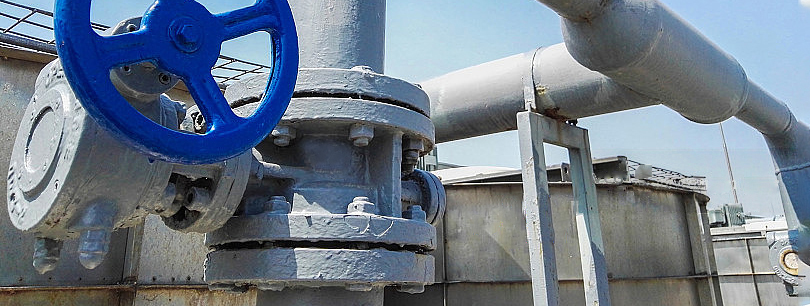
Gate valves for the oil and gas industry, suitable for crude oil and natural gas transmission pipelines, wellhead isolation, block valve stations, and long-distance trunk lines.
2.Chemical and Pharmaceutical Industry
Suitable for corrosive, high-temperature, or high-pressure media, and widely used in process pipelines, storage tanks, and chemical isolation systems.
3.Power Industry
Ideal for high-temperature and high-pressure steam pipelines, boiler feed-water systems, cooling water networks, and auxiliary power plant equipment.
4.Water Treatment and Environmental Protection Projects
Suitable for municipal water supply systems, wastewater treatment, desalination plants, and large-diameter pipeline isolation in environmental engineering.
5.Building and HVAC Systems
Used in building water supply networks, fire-fighting systems, heating loops, and central air-conditioning pipeline isolation.
1. What is a gate valve used for?
A gate valve is used for fully opening or fully shutting off fluid flow in pipelines.
2.Gate valve price DN100 PN16?
Prices vary by material and standard — request a quotation for exact pricing.
3.Rising stem gate valve vs non-rising stem gate valve?
One-line answer: Rising stem shows position; non-rising stem saves space — full types available.
4.Which is better for my pipeline: cast steel or forged steel gate valves?
Forged steel is ideal for smaller, high-pressure valves, while cast steel suits larger diameters and moderate pressures. Explore our product range to find the right choice.
5.What types of gate valves are recommended for water pipelines with different pressure ratings?
We provide DN50–DN1200 gate valves with PN10–PN40 ratings suitable for reliable water pipeline isolation. Detailed dimensions and models are available online.
6.Which gate valves can be used safely in oil and gas pipelines?
Our API-compliant gate valves ensure safe operation under high-pressure oil and gas conditions. Visit our site to check materials, sizes, and pressure ratings.
api 600 gate valve | api 6d through conduit gate valve | api 6a wellhead gate valve | wedge gate valve | knife gate valve | pressure seal gate valve | bellow seal gate valve | expanding gate valve | cast steel gate valve | stainless steel gate valve | forged steel gate valve | ductile iron gate valve | cast iron gate valve | carbon steel gate valve | cryogenic gate valve | low temperature gate valve | high temperature gate valve | rising stem gate valve | non rising stem gate valve | pneumatic actuated gate valve | electric actuated gate valve | gear operated gate valve | hydraulic gate valve | flanged gate valve | butt weld gate valve | socket weld gate valve | threaded gate valve | npt threaded gate valve | wafer gate valve | lug type gate valve
Copyright © 2015-2026 DERVOS VALVE CO.,LTD.All Rights Reserved Blog / Sitemap / XML / Privacy Policy