-
In pipeline isolation systems used across oil & gas, LNG, refining, and chemical processing, line blind valves are still one of the most reliable ways to achieve true positive isolation. Unlike conventional block valves, a line blind provides a physical barrier in the pipeline, which makes it a preferred solution during shutdowns, maintenance isolation, and safety-critical operations where zer...
View More
-
Introduction The core value of a line blind valve (blind valve / blind isolation device) is positive isolation—achieving zero leakage through a solid blind plate. This function is almost irreplaceable in oil & gas, petrochemical, and storage & transportation systems. However, the issue is straightforward: as size and pressure class increase, line blind valves becom...
View More
-
Choosing a blind valve manufacturer is not just a sourcing decision. It directly impacts pipeline isolation safety, maintenance efficiency, and long-term operational reliability. In oil & gas, petrochemical, and power projects, if the system requires true positive isolation, then the gap between a general industrial valve supplier and a manufacturer with real blind valve experience become...
View More
-
Introduction: Why Steam Isolation Demands Specialized Valves High-temperature steam systems are the backbone of many industrial processes—from power generation to chemical processing and refinery operations. When it comes to pipeline isolation for maintenance or safety, the choice of valve can mean the difference between a routine shutdown and a catastrophic failure. Line blind v...
View More
-
In industrial piping systems, both line blinds and gate valves are commonly used for isolation, but their application scenarios and safety characteristics differ significantly. When selecting a shut-off device purely from a safety perspective, considerations must include pressure, temperature, operation frequency, and maintenance conditions. 1. Impact of Valve Design on Safety For pi...
View More
-
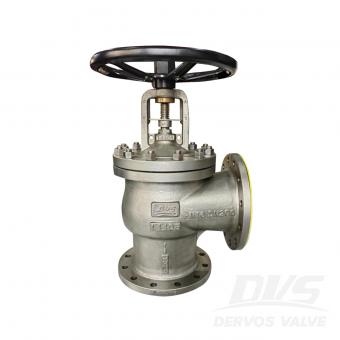
In seawater piping systems, globe valves can be used to control and isolate fluid flow, provided that the materials and corrosion protection design are suitable for seawater service conditions. Seawater contains a high concentration of chloride ions and dissolved oxygen. If the valve material is not properly selected, corrosion can occur rapidly. Therefore, when globe valves are used in sea...
View More
-
A gate valve is widely used for full open or full close flow control in pipeline systems. If a gate valve goes bad, then problems such as leakage, jamming, or operating failure will occur, directly affecting system safety and efficiency. Most gate valve failures develop gradually. If routine maintenance is ignored, then failure risk will increase significantly. Sealing Failure If the...
View More
-
I. Improvement of Corrosion Resistance Resistance to Medium Corrosion: In various operating environments, valves are exposed to different media such as acids, alkalis, salt solutions, and corrosive gases. These media may corrode the metal surface of the valve, thereby reducing its service life. Electroplating a layer of corrosion-resistant metal or alloy—such as chromium, nickel, or zinc&mda...
View More
-
1. Lift Check Valve A lift check valve features a disc that slides along the vertical centerline of the valve body. Installation: Primarily for horizontal pipelines. For high-pressure, small-diameter valves, the disc may be a spherical shape. Design: The valve body is shaped like a globe valve (interchangeable with globe valves), so it has a relatively high flow resistance coeff...
View More