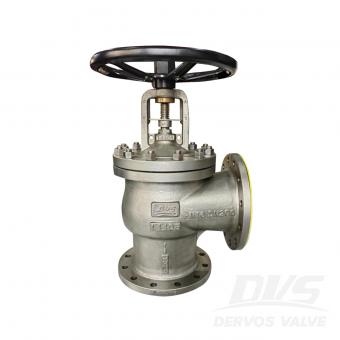
Gate valve disc (wedge/seat) wear is a common failure mode in industrial systems. Typical symptoms include internal leakage, incomplete shut-off, increased operating torque, or visible damage to sealing surfaces.
Whether the valve disc can be replaced on site depends on the valve construction, sealing design, and actual service conditions.
The conclusion is straightforward: in some cases replacement is feasible, but in many industrial conditions on-site replacement is not recommended.
If the gate valve is a serviceable design, the disc (gate/wedge) can usually be replaced. Typical examples include:
● Wedge gate valves (flexible or solid wedge)
● Split bonnet design gate valves
● Flanged, bolted bonnet structures with removable cover
In these configurations, the internal components can be accessed after removing the bonnet, allowing replacement of the disc and sealing components.
However, if the valve is of the following types, on-site replacement is generally not recommended:
● Welded-body gate valves
● Integral or non-repairable cast structures
● Low-cost sealed or non-serviceable designs
For non-repairable structures, forced disassembly may compromise the pressure boundary integrity of the valve body.
Disc wear is not a uniform condition and should be evaluated based on damage type.
If the damage is minor surface scoring or light sealing wear:
● Lapping (manual grinding) may be possible
● Disc or seat sealing surfaces may be refurbished
This condition is commonly seen in low-pressure water systems.
If deep grooves or severe erosion are present:
● Replacing only the disc may not restore sealing performance
● The valve seat is likely also damaged
● The sealing geometry may already be compromised
In this case, full trim replacement is typically required.
If the system involves high pressure or corrosive media (e.g. steam, seawater, chemical service):
● Disc wear is usually accompanied by seat damage
● Partial replacement often does not restore reliability
If the disc dimensions, wedge angle, or sealing surface material do not match the original design, the valve may exhibit:
● Incomplete shut-off
● Mechanical jamming
● Uneven loading on sealing surfaces
Gate valve discs must match OEM specifications.
On-site replacement typically requires:
● Full valve disassembly
● Sealing surface lapping tools
● Controlled torque reassembly procedures
Without proper tooling and experience, repair success rate is low.
If the system is one of the following:
● High-pressure steam systems
● Continuous production lines
● Hazardous fluid pipelines
Then on-site replacement is generally not recommended. Factory overhaul or professional maintenance service is preferred.
A frequent field practice is replacing only the gate valve disc while ignoring the seat condition.
If the seat is also worn:
● New disc will not achieve full sealing
● Internal leakage will reappear quickly
● Maintenance cycle becomes short
Engineering logic: if disc wear is evident, seat condition must be evaluated simultaneously.
A simplified engineering decision approach:
● If valve size is large (typically DN100 and above) and high value → repair is justified
● If valve is small and low cost → replacement is usually more economical
● If system downtime cost is high → prioritize reliability over repair attempts
Whether a worn gate valve disc can be replaced depends on three key factors:
● Valve construction type (repairable or not)
● Seat condition and overall wear level
● Availability of proper repair tools and assembly capability
If the valve is serviceable, wear is minor, and proper tools are available, on-site disc replacement may be feasible.
For high-pressure systems, corrosive media, or severe wear conditions, full valve replacement or factory repair is generally the more reliable engineering solution.
The main causes are prolonged throttling operation, flow erosion, and particulate abrasion. Using a gate valve for flow regulation accelerates wear significantly.
Not always. If the seat is also worn, disc replacement alone will not eliminate leakage.
Yes, but only for minor surface damage. It requires proper lapping tools and experience; otherwise sealing geometry may be compromised.
No. They differ in geometry, sealing mechanism, and loading direction, and are not interchangeable.
For high-pressure, corrosive, or critical service systems, replacement or factory overhaul is generally preferred to ensure system reliability.
Copyright © 2015-2026 DERVOS VALVE CO.,LTD.All Rights Reserved Blog / Sitemap / XML / Privacy Policy