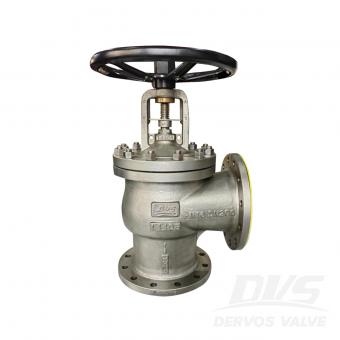
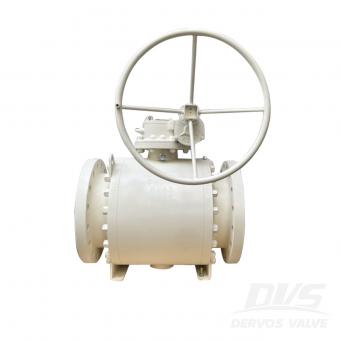
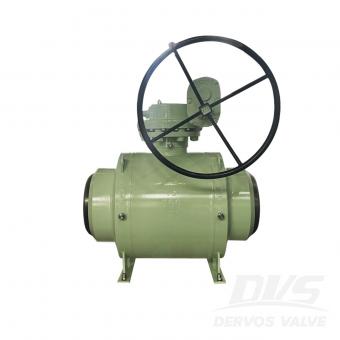
The core value of a line blind valve (blind valve / blind isolation device) is positive isolation—achieving zero leakage through a solid blind plate. This function is almost irreplaceable in oil & gas, petrochemical, and storage & transportation systems.
However, the issue is straightforward: as size and pressure class increase, line blind valves become extremely heavy, making operation difficult, switching slow, and in some cases introducing safety risks.
If a line blind valve feels “too heavy” on site, it is rarely a single-factor issue. It is typically the combined result of design, structure, and operating method. The following provides direct evaluation logic and practical solutions.
If weight is a concern, it usually comes from the following factors:
● Size (DN): Weight increases significantly from DN200 and above
● Pressure class: Class 600, 900, and 1500 increase weight rapidly
● Material: WCB vs. F22 vs. duplex — density and required thickness vary greatly
● Type: Spectacle blind valve (figure-8 blind valve) is inherently the heaviest
Design margin: Some manufacturers add excessive thickness for “safety margin”
Conclusion:
Weight ≠ Safety. In many cases, excessive weight indicates non-optimized design.
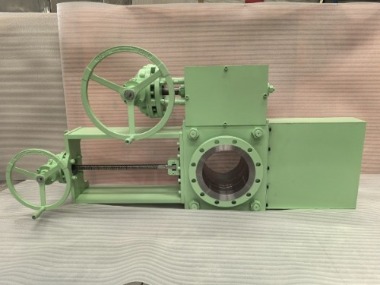
If you are currently using a conventional spectacle blind valve:
● Maximum weight (solid plate + connection structure)
● Requires bolt removal and manual flipping
→ It can be replaced with a sliding blind valve
Result:
● No need for full lifting
● Only lateral movement is required
● Can be operated by one person or fewer operators
● Significantly reduced switching time
When to use:
If frequent isolation switching is required → sliding blind valve is preferred
If a sliding blind valve is still heavy or difficult to operate:
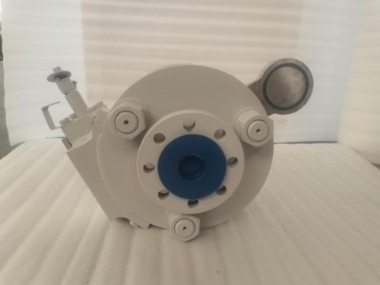
→ Consider a swing blind valve (goggle valve)
Features:
● The blind plate rotates around an axis instead of being fully removed
● Weight is supported by the structure
● More stable operation
When to use:
If DN ≥ 300 and manual operation becomes difficult → swing blind valve is more suitable
If replacing the valve is not feasible, operation can be improved:
Common options:
● Worm gear
● Chain wheel
● Hydraulic assist devices
Core effect:
● Converts direct lifting into mechanical transmission
● Reduces required operating torque
When to use:
If the valve is already installed and modification space is limited → this is the first option to consider
When weight begins to impact safety or efficiency:
→ Consider an automatic line blind valve / automatic goggle valve
Actuation methods:
● Electric actuator
● Hydraulic actuator
Benefits:
● No manual handling required
● Remote operation possible
● Interlock systems can prevent misoperation
When to use:
● High-temperature or high-pressure pipelines
● Hazardous media (e.g., H₂S, flammable gases)
● Frequent switching or fast isolation requirements
In many cases, excessive weight comes from design inefficiency, not process requirements.
Optimization points:
● Material selection
WCB → can be replaced with lighter alloys (if operating conditions allow)
● Structural design
Reduce thickness in non-load-bearing areas
● Standards compliance
Design strictly according to ASME B16.34 instead of “experience-based overdesign”
Conclusion:
For the same DN and pressure class, weight differences between manufacturers can reach 20–40%
When to suspect design issues:
If a valve is significantly heavier than others with the same specification
● If current operation requires manual flipping and feels heavy
→ Replace with sliding blind valve
● If DN is large and switching is frequent
→ Consider swing blind valve
● If safety requirements are high or manual handling is risky
→ Use automation (electric / hydraulic)
● If the issue is moderate
→ Add mechanical assistance first
A heavy line blind valve is not simply a usability issue. It reflects whether:
→ The operating method matches the actual service conditions
In practice:
● Traditional blind valves focus on structural safety
● Modern blind valves focus on operational safety and efficiency
If DN300+ blind valves are still being handled manually, the issue is no longer weight—it is outdated system design.
Not directly. However, it increases the risk of improper positioning or incomplete installation, which can affect isolation reliability.
No. Both rely on a solid blind plate, achieving true positive isolation (zero leakage).
Not always. However, under high-risk conditions (high pressure, toxic media), it is often the more reliable long-term solution.
Not always. However, under high-risk conditions (high pressure, toxic media), it is often the more reliable long-term solution.
Copyright © 2015-2026 DERVOS VALVE CO.,LTD.All Rights Reserved Blog / Sitemap / XML / Privacy Policy