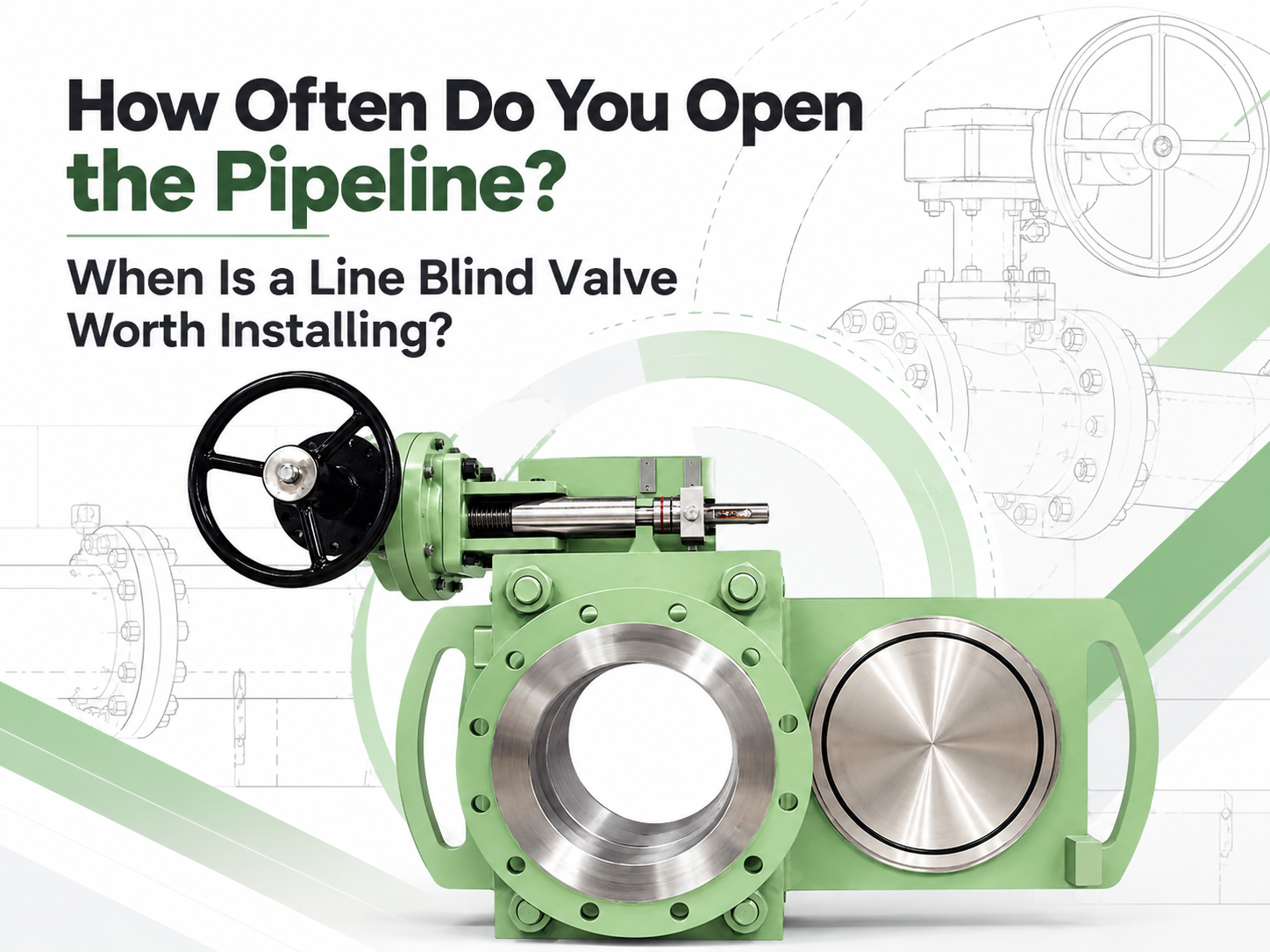
A line blind valve is worth evaluating when a pipeline is blinded several times a year, or when one conventional changeover causes hours of shutdown, lifting work or significant exposure to hazardous residue. No universal cycle count guarantees payback. A large critical line operated twice a year may justify the investment, while a small accessible line operated monthly may not. The decision should be based on the cost and risk of each complete isolation event, not frequency alone. There Is No Standard “Two Operations per Year” Rule Some suppliers use one or two annual changeovers as a screening threshold. That can start a discussion, but it is not an engineering rule. Frequency has very different consequences on a DN50 utility line and a DN600 process-gas main. For a preliminary review, the following bands are useful but not mandatory: Blinding frequency Initial interpretation Once per major turnaround or less A removable blind or spectacle blind is often more economical. One to three times per year Compare labor, lifting, outage duration and medium risk carefully. Quarterly to monthly A quick-action line blind is normally a strong candidate. Weekly or more often Purpose-built or automated isolation deserves detailed review; also confirm that a line blind is suitable for the required cycle duty. A low operating frequency can still support installation when every event requires scaffolding, a crane, several pipefitters or a long production interruption. Conversely, frequent operation does not justify a line blind if the process cannot accommodate its pressure, temperature, materials or maintenance needs. Count the Complete Changeover Traditional blinding is more than moving a plate. After the line is made safe, workers loosen bolting, spread the flange joint, handle the blind or spacer, replace gaskets, restore alignment, tighten the joint and complete leak checks. Large sizes add rigging and access equipment. A quick-action line blind keeps the spectacle or sliding plate supported inside the installed assembly. Manufacturer literature commonly reports one-person changeover in minutes rather than the man-hours needed for conventional flange work. Those figures are useful for screening, but the project calculation should use the plant’s own procedures and recorded shutdown times. Use a simple comparison: Annual avoided cost = operations per year x cost avoided per operation Avoided cost may include pipefitter hours, rigging, scaffolding, gaskets and bolting, leak testing and the production value of saved time. Keep categories separate to avoid double counting. Compare the annual saving with the line blind’s additional installed price and maintenance cost. Risk Can Matter More Than Simple Payback Repeated flange separation creates opportunities for residual-medium exposure, damaged flange faces, poor alignment and inconsistent bolt load...
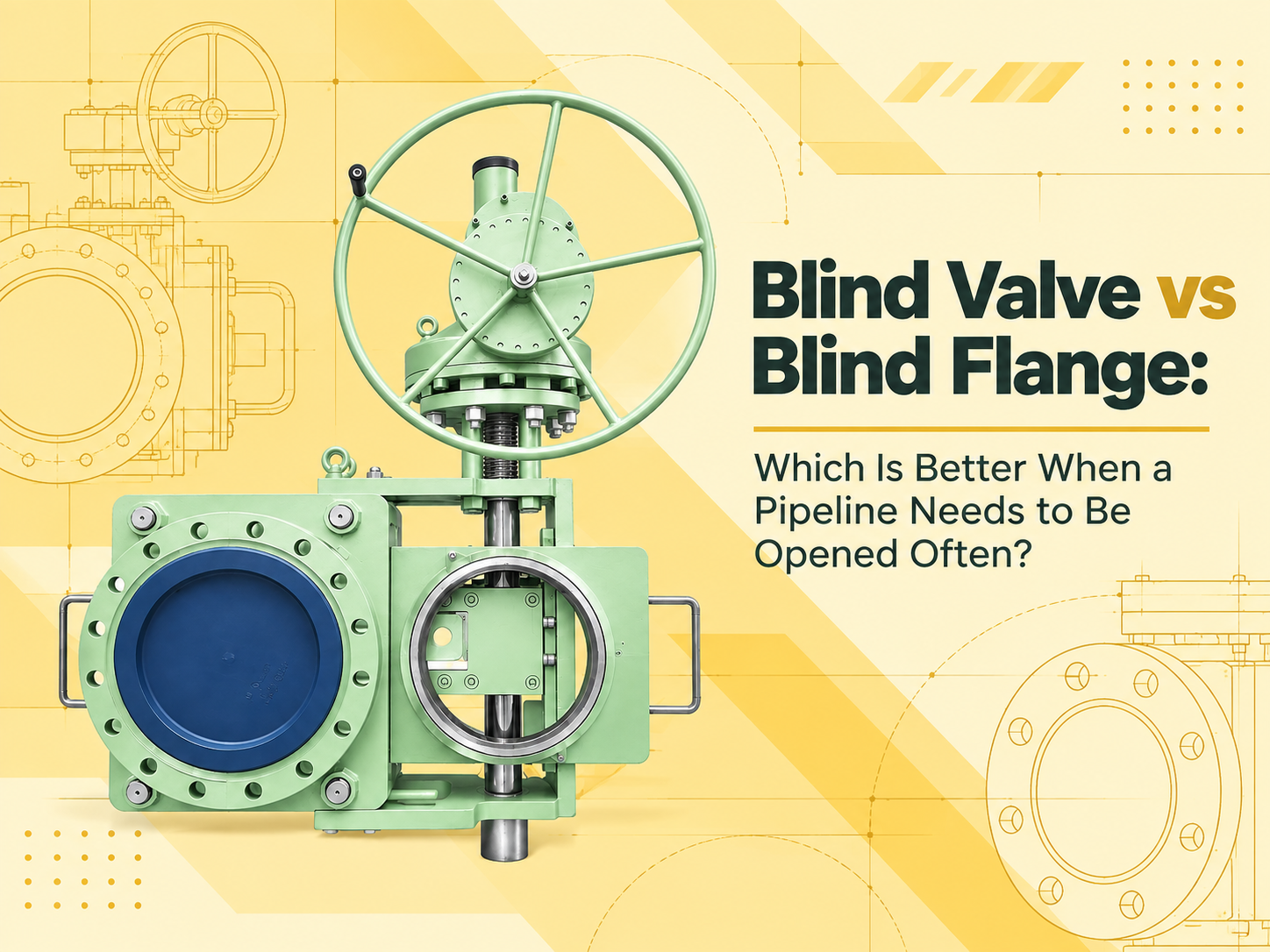
When a pipeline must be opened and positively isolated often, a line blind valve is usually the better choice. It keeps the blind mechanism permanently installed and lets operators change between open and blocked positions without repeatedly removing a bolted end closure. A blind flange costs less and has fewer moving parts, but it is better suited to closing a pipe end that will remain closed for long periods. This answer assumes that “blind flange” means a solid flange bolted to the end of a pipe or nozzle. A spectacle blind or a removable spade installed between two flanges is a different device, although it creates a similar solid-metal isolation barrier. Frequent Opening Changes the Cost Calculation The purchase price favors the blind flange. Its construction is simple, and maintenance is largely limited to checking the flange face, gasket, studs and nuts. If the closure will be disturbed only during an occasional turnaround, that simplicity is difficult to beat. Repeated opening changes the picture. Removing a blind flange requires the line to be shut down, depressurized, drained or purged, and verified safe. The bolts must then be loosened, the flange supported and the sealing faces separated. Larger flanges may require lifting equipment. Reassembly introduces a new gasket, controlled bolt tightening and a leak test. None of these steps is unusual, but repeating them turns a low-cost component into a labor-intensive operating method. A line blind valve also requires the line to be isolated and depressurized before changing position unless its approved design and operating procedure explicitly state otherwise. Its advantage is mechanical handling: the plate, spacer or sliding element remains captured in the body, and the mechanism separates, moves and reclamps the sealing faces. Manual gearing may suit moderate operating forces; electric, pneumatic or hydraulic actuation may be justified for large sizes or remote operation. The Blind Valve Reduces Handling but Adds Equipment to Maintain For frequent switching, a blind valve can shorten the task and reduce repeated handling of heavy plates, bolts and gaskets. Its open or closed position is normally visible from the external plate or position indication, which helps field verification. It also avoids repeatedly forcing connected piping apart to insert or remove a blind. Those benefits come with additional maintenance. Guides, screws, gearboxes, hydraulic components, seals and interlocks must remain functional. Product deposits or corrosion can obstruct plate travel, while damaged sealing surfaces can prevent reliable reclamping. The installation therefore needs drainage, cleaning access and enough surrounding clearance to complete the full movement and service the mechanism. A blind flange has no operating mechanism to seize. However, frequent removal can damage flange faces, stretch or corrode bolting, disturb pipe al...

Yes, a line blind valve can usually be added to an existing pipeline, but the job is rarely as simple as cutting out a short section and inserting the valve. The valve must fit the existing flanges and pressure class, but that is only the first check. It also needs room to release the sealing mechanism, move the blind plate, reclamp, and remain accessible for future operation. The modified pipework must then be supported, inspected and tested before it returns to service. A valve that fits between the pipe ends but cannot complete its operating stroke is not a workable retrofit. Start With the Full Operating Envelope Face-to-face length tells you how much pipe must be removed. It does not tell you how much space the valve needs once it starts moving. A swing-type line blind needs a clear arc for the spectacle plate. That space may extend well beyond the valve body. Nearby pipework, cable trays, handrails, platforms, insulation and structural steel can all block the movement. A sliding design needs enough space for the plate to travel sideways or vertically. The drive mechanism, gearbox, hydraulic cylinder or actuator adds another clearance requirement. Check the manufacturer’s general arrangement drawing for: ● Face-to-face length ● Maximum body width and height ● Full plate travel or swing radius ● Handwheel, gearbox or actuator clearance ● Space needed to remove seals and internal parts ● Lifting points and rigging access ● Safe standing position for the operator Do not measure only from the valve centerline. A gear operator may clear the adjacent pipe while the blind plate still strikes it halfway through the stroke. Orientation matters too. On vertical piping, some designs require a specific mechanism position so gravity cannot pull an unclamped component out of place. Manufacturer instructions for one cam-operated design, for example, call for the cam mechanism to be installed below the spectacle plate on a vertical line. Check the Existing Pipeline Before Choosing the Valve Old drawings are useful, but the final fit should be based on field measurements. Existing pipelines may have been repaired, rerouted or pulled out of alignment since the original drawings were issued. Record the actual: ● Pipe outside diameter and schedule ● Flange standard, size, class and facing ● Distance between flange faces or proposed cut points ● Pipe centerline and flange orientation ● Available movement in the existing line ● Insulation and heat-tracing thickness ● Nearby supports, guides and expansion joints ● Operating and design pressure and temperature ● Medium, corrosion allowance and material specification Flanges that appear similar may use different drilling, facing or dimensions. Confirm the complete flange designation rather than relying on nominal size and pressure class alone. The selected gasket must also suit the flange facing, medium, temperature and surface finish. Installing a new valve betw...
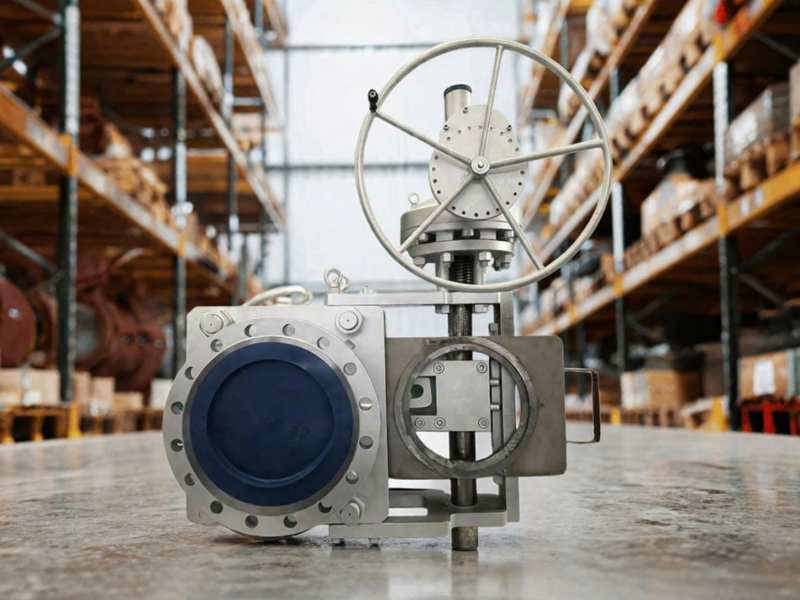
In an industrial steam system project in Hungary, a DN400 PN40 sliding blind valve was applied to achieve safe isolation and zero leakage shut-off under high-temperature conditions.
In industrial steam systems, maintenance activities often face several practical challenges.
In this project, the main issues included:
● The process medium was steam, with an operating temperature of approximately 250°C and a design temperature range from -39°C to 350°C, requiring the equipment to withstand both high-temperature and low-temperature conditions.
● The steam system required high sealing performance; conventional valves are prone to sealing failure under high-temperature steam conditions.
● During pipeline maintenance, safe isolation was required; traditional isolation methods could not achieve blind switching without depressurization.
● The valve was exposed to outdoor conditions, with ambient temperatures as low as -39°C, requiring high structural reliability and safe operation.
Based on the actual service conditions and technical requirements, Dervos Valve provided a customized DN400 PN40 forged sliding blind valve solution:
Designed in accordance with EN 12516, the valve body is made of ASTM A350 LF2 forged steel, offering both low-temperature impact toughness down to -40°C and stable strength at temperatures up to 350°C, suitable for wide temperature fluctuations.
The sealing pair adopts Stellite hardfacing with precision-machined metal sealing surfaces, meeting EN 12266-1 Leakage Class A requirements.
Reliable zero leakage performance is maintained under 250°C saturated steam and thermal cycling conditions.
The full-bore design reduces flow resistance, while a gear-operated mechanism ensures smooth operation for large-size PN40 valves.
The sliding blind structure enables inline isolation switching without depressurization or pipeline disassembly, combined with:
● Mechanical interlock to prevent misoperation
● Visual position indication
This significantly improves maintenance safety.
Since commissioning, the valve has completed more than 20 pressurized isolation operations, with sealing performance consistently meeting Class A requirements and no internal or external leakage observed. The switching time for each isolation operation is controlled within 10 minutes, significantly reducing maintenance time compared to traditional methods involving depressurization and manual blind insertion. Designed in accordance with EN 12516, the valve has an expected service life of 30 years, contributing to a substantially lower total lifecycle maintenance cost.
If you are interested in our products and want to know more details,please leave a message here,we will reply you as soon as we can.
The refinery of MOL, located in Hungary, requires regular ball valve and check valve replacements to maintain optimal performance. As a trusted check and ball valve supplier of MOL, DERVOS continues to provide ball valves for their operations. In this project, DERVOS supplied a batch of high-performance ball valves and check valves for fluid control in oil and gas applications. They required various types and specifications of ball and check to meet the operational and sealing requirements of different pipeline systems.
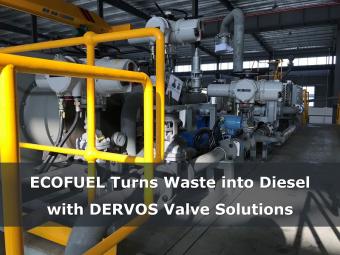
In 2017, DERVOS contributed to an innovative environmental initiative led by ECOFUEL, an emerging canadian player in clean technology. This groundbreaking project aimed to produce sustainable diesel from solid waste, setting a precedent in green energy solutions. DERVOS is proud to have provided 136 sets of premium valves to support this pioneering effort.
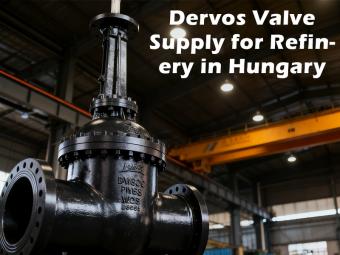
Project Background In 2024, DervosValve was selected as a trusted valve supplier for a refinery project in Hungary. The client required large-sized industrial valves capable of handling complex and high-pressure oil and gas media. With years of engineering experience and proven track records in the energy sector, Dervos was chosen to provide a complete valve solution tailored to the refinery’s operational needs. Scope of Supply ● 10 pcs Gate Valves ● 9 pcs Check Valves All valves were designed and manufactured according to API and ASME standards, ensuring compliance with international refinery safety and performance requirements. Product Design & Technical Highlights The supplied valves feature bolted bonnet design, flexible wedge, and rising stem with yoke support, which enhance sealing reliability and facilitate maintenance. Their large-scale structure was customized to fit the refinery’s pipeline system, allowing smooth fluid control and stable operation under high temperature and pressure. Performance in Refinery Conditions Refinery environments involve frequent temperature fluctuations and medium impurities. Dervos valves demonstrated outstanding sealing performance, corrosion resistance, and mechanical strength, ensuring long-term stability with minimal maintenance requirements. The bolted bonnet design also makes disassembly and inspection more convenient during scheduled shutdowns. Why the Client Chose Dervos The Hungarian client valued Dervos for: ● Proven experience in oil & gas valve solutions ● Strict material traceability and quality control system ● Flexible customization capabilities for large valve dimensions ● On-time delivery and complete documentation support Throughout the project, our technical and logistics teams worked closely with the client’s engineers, ensuring each valve was tested, packaged, and delivered to meet project timelines and refinery installation standards. Customer Feedback & Project Outcome After installation and commissioning, the refinery reported stable operation and precise flow control performance. The valves’ large design and robust construction fully met system pressure and flow requirements. The client expressed satisfaction with both the quality and Dervos’ technical responsiveness, laying a solid foundation for future cooperation. Conclusion This successful refinery project in Hungary once again highlights Dervos’ ability to deliver reliable, large-size valve solutions for the oil and gas industry. We continue to serve our global partners with precision engineering, professional service, and long-term reliability.
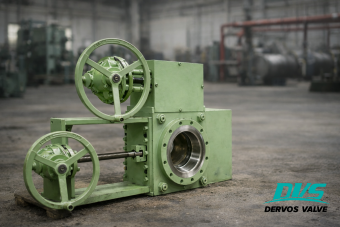
1. Challenges Faced by the Client An oil terminal operator in South Africa, handling multiple light petroleum products such as HSD, MA, and JET-A1 within its pipeline system, encountered the following key challenges: ● Volatile and complex media: Aviation fuels such as JET-A1 require extremely high sealing performance; even minor leakage poses significant safety risks. ● Frequent media switching: Reliable physical isolation is required during product changeover. Conventional valves cannot achieve absolute shut-off. ● Insufficient sealing performance: Standard gate valves and ball valves present a risk of internal leakage after prolonged service. ● Strict safety requirements: The client specified a clear requirement for “zero visible leakage.” 2. Our Solution To address these operating conditions, Dervos Valves supplied a Slide Blind Valve, with the following key configurations: Design Type: Slide Blind (Spectacle Blind / Line Blind) ● Switching between a solid plate and a spacer enables complete shut-off or full flow. ● Provides visual and verifiable positive isolation, meeting high safety requirements. Sealing Design: Drip-tight Construction ● Effectively prevents leakage and evaporation of light hydrocarbons. ● Suitable for stringent sealing requirements of aviation fuel service. Pressure Rating and Standards: ● Class 150, in accordance with ASME B16.34 ● Flanged connection: Raised Face (RF) Material: ASTM A105 Forged Steel ● Offers high mechanical strength and pressure resistance. ● Well-suited for petroleum service, balancing cost efficiency and reliability. Operation: Worm Gear (Turbine Drive) ● Suitable for large diameter (10") applications, reducing manual effort. ● Enhances operational stability and safety during switching. 3. Results Achieved In actual operation, the slide blind valve enabled reliable physical isolation between different petroleum products, ensuring a clearly verifiable disconnected state during media switching. This fundamentally eliminates the risk of internal leakage associated with conventional valves. The drip-tight design effectively controlled evaporation and leakage when handling light hydrocarbons such as HSD, MA, and JET-A1, significantly improving on-site safety performance. In addition, the worm gear operation provided smoother and more controlled switching, reducing manual effort and minimizing the risk of operational errors, even in large-diameter applications. Overall, the solution not only met the client’s stringent requirements for high sealing integrity and safety, but also improved the operational stability and maintenance reliability of the pipeline system.
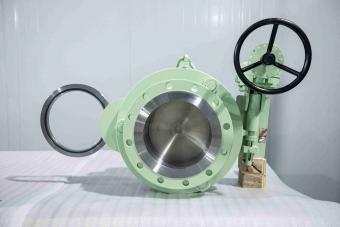
Zimbabwe National Oil Infrastructure Company (NOIC) Tank Farm Project This article is based on a tank farm project of the Zimbabwe National Oil Infrastructure Company (NOIC), focusing on practical challenges in pipeline isolation and maintenance switching, including flammable media, the requirement for pressurized operation, and high reliability under outdoor conditions. The solution involves a 10" 150LB swing type line blind valve, designed in accordance with ASME B16.34, with WCB cast steel body and metal sealing tested to API 598 zero leakage standards. Combined with worm gear operation and an anti-misoperation mechanism, the valve enables positive isolation switching without depressurization or shutdown. The implementation effectively improves operational safety, enhances maintenance efficiency, and reduces downtime losses. This case provides practical reference for engineers involved in pipeline isolation, valve selection, and online maintenance in the oil & gas industry. Project Background ● End User: Zimbabwe National Oil Infrastructure Company (NOIC) ● Installation Location: Petroleum storage terminal, Zimbabwe ● Medium: Petroleum ● Operating Requirement: The pipeline must reliably switch between normal operation and maintenance conditions, with strict requirements for safe isolation and zero leakage shut-off. Challenges Faced by the Client 1) Flammable Medium with High Safety RequirementsThe transported medium is petroleum. Any leakage may result in serious safety incidents. Therefore, high sealing integrity and operational reliability are required. 2) Requirement for Isolation Under PressureConventional valves cannot provide positive isolation without depressurization during maintenance. Depressurization leads to operational interruption, product loss, and additional restart costs. 3) Outdoor Installation with High Reliability DemandThe valve is installed in an outdoor station. It must withstand site environmental conditions and ensure stable operation with controlled risk of misoperation over long-term service. Solution To address the above conditions, Dervos Valve supplied a 10" 150LB swing type line blind valve with the following key design features: 1) Design Standard and MaterialThe valve is designed and manufactured in accordance with ASME B16.34. The body material is WCB cast carbon steel, suitable for petroleum service conditions, with a temperature range of -29°C to 150°C, offering adequate corrosion resistance and mechanical strength. 2) Sealing PerformanceThe sealing pair adopts a precision-machined soft sealing structure, tested in accordance with API 598. It achieves reliable zero leakage under petroleum service conditions, ensuring safe pipeline isolation. 3) Swing Type Blind StructureThe swing blind plate allows switching between flow and blind positions without pipeline disassembly or depressurization. This enables rapid transition and solves the limitation of conventional valves in achieving online positive isolation. Swing Type Blind Technical Drawing 4) Operation and Safety DesignEquipped with a worm gear operator and anti-misoperation device, the valve ensures smooth manual operation with clear position indication, minimizing the risk of incorrect operation in field conditions. Implementation Results After commissioning, the solution delivered the following benefits: 1) Reliable Isolation PerformanceThe valve meets API 598 leakage requirements. No leakage has been observed during operation, ensuring safe pipeline performance. 2) Improved Maintenance EfficiencyThe swing type structure enables online isolation without depressurization. Maintenance time is significantly reduced, minimizing production interruption. 3) Controlled Operational SafetyClear blind position indication and anti-misoperation design reduce risks for field operators, aligning with safety management practices in oil & gas facilities. Conclusion In this project, Dervos Valve provided a swing type line blind valve solution that achieves safe isolation under continuous operation in petroleum service. The solution ensures long-term sealing reliability and meets the project's requirements for safety, reliability, and operational efficiency in national oil infrastructure applications.
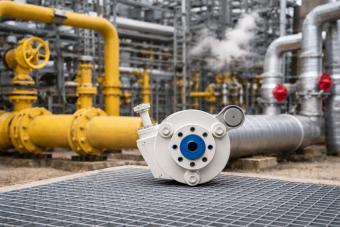
Project Type: Safety upgrade of an in-service high-pressure pipelineClient: A major oil & gas company in Russia (Siberia region)Application: Isolation and maintenance blind-off for high-temperature steam / hot oil pipelinesPressure Rating: 600LB (Class 600)Core Product: F22 Swing-Type Line Blind Valve (note: swing-type retained; see clarification below)Commissioning: Q3 2024Data Collection Period:12 months 1. Challenges Faced by the Client The pipeline system operates at pressures up to 600LB, with media including high-temperature steam (up to 520°C) and hot oil. The valve is required to provide highly reliable sealing performance under high-pressure conditions. Maintenance isolation and blind-off operations must be carried out safely without shutting down the system. However, conventional line blind valves presented the following issues under large-diameter and high-pressure conditions: Difficult operation:Each blind-off operation required pipeline depressurization. The average operation time was approximately 45 minutes, requiring coordination of three operators. Leakage risk:Under high-pressure thermal cycling, sealing surfaces were prone to deformation. Two minor leakage incidents had previously resulted in unplanned shutdowns. Harsh environment:In Siberia, winter temperatures can drop to -45°C, while pipeline surface temperatures exceed 60°C in summer. Frequent industrial vibration places high demands on valve structural strength and durability. High maintenance cost:The existing valves required inspection and maintenance every three months, with annual maintenance costs exceeding USD 120,000. 2. Proposed Solution A swing-type line blind valve manufactured in F22 material was provided, designed in accordance with ASME B16.34, ensuring high-pressure and high-temperature resistance while accommodating mechanical stress in industrial environments. The valve adopts a swing-type mechanism, allowing the blind plate to rotate smoothly within the valve body during operation. This enables safe switching between isolation and flow positions without requiring pipeline depressurization, reducing operational risks. The valve body material can be selected as F11 or F22. With high-temperature alloy properties, stable sealing performance is maintained under high-temperature steam or hot oil service. An RTJ (Ring-Type Joint) flange connection is applied, facilitating installation in large-diameter pipelines. In addition, a mechanical interlock is incorporated to prevent misoperation and enhance on-site safety. 2.1 Key Technical Advantages Swing-Type Design for Online IsolationThe blind plate rotates smoothly within the valve body, eliminating the need for valve disassembly or pipeline depressurization. Each isolation / flow switching operation can be completed within approximately 10 minutes by a single operator. F22 High-Temperature Alloy for Extreme Service ConditionsF22 material (containing Cr 2.00–2.50% and Mo 0.90–1.10%) maintains high creep rupture strength at temperatures up to 520°C. It also meets low-temperature impact test requirements down to -46°C, making it suitable for the full annual temperature range in Siberia. Enhanced Sealing ReliabilitySpring-loaded sealing surfaces automatically compensate for dimensional changes caused by thermal cycling. After 500 thermal cycles, the leakage rate remains better than ISO 5208 Rate A (zero visible leakage). Anti-Misoperation DesignEquipped with a mechanical interlock and position indicator to prevent incorrect operation under pressurized conditions, improving on-site operational safety. 2.2 Performance Comparison with Conventional Line Blind Valves Compared with conventional line blind valves, the F22 swing-type solution demonstrates the following performance improvements: ● Operation time (per isolation): reduced from 45 minutes (with depressurization required) to 10 minutes (online switching) ● Personnel required: reduced from 3 operators to 1 operator ● Leakage rate (over 12 months of operation): from 2 recorded minor leakage incidents to zero leakage ● Maintenance interval: extended from every 3 months to ≥18 months ● Operating temperature range: expanded from -20°C ~ 400°C to -46°C ~ 520°C 3. Achieved Results 3.1 Key Operational Indicators Zero-leakage operation:Over 12 months of service, the valve maintained zero visible leakage, with no unplanned pipeline shutdowns. 78% improvement in operational efficiency:The time required for a single isolation operation was reduced from 45 minutes to 10 minutes, resulting in over 200 hours of annual labor time savings. Validated under extreme conditions:The valve successfully withstood Siberian winter temperatures of -45°C ...
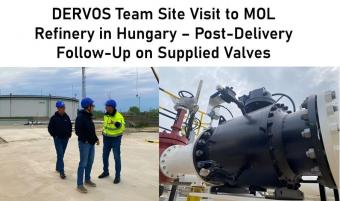
1. Project Background and Purpose of the Visit Previously, DERVOS supplied a batch of floating ball valves, trunnion-mounted ball valves, and swing check valves for the MOL refinery upgrade project in Hungary. Detailed specifications and technical data for this project are available in the previous case study. Recently, the DERVOS team visited Hungary to conduct a follow-up inspection at the same project site. The purpose of the visit was to evaluate the actual operating condition of the supplied valves, communicate directly with the client’s on-site engineering team, and collect feedback after several months of operation. 2. Current Project Status During the visit, it was confirmed that the MOL refinery is currently in a post-incident recovery phase. In October 2025, a fire occurred in the AV3 crude distillation unit, and repair work is ongoing. Full production capacity is expected to resume in Q3 2026. Despite this, in units that remain operational or are in maintenance intervals, all valves supplied by DERVOS are functioning normally. The client confirmed that no performance issues related to DERVOS valves have been reported. 3. Site Inspection Details The DERVOS team accessed the valve installation areas for on-site inspection. Particular attention was given to four trunnion-mounted ball valves equipped with 2-meter extended stems, a customized design to meet specific operating distance requirements. It was observed that the extended stem design allows operators to control the valves from a safe and accessible distance. The IP68-rated worm gear operators also demonstrated reliable sealing performance under local environmental conditions. The team also inspected floating ball valves and swing check valves installed in medium-pressure and high-temperature zones. No leakage or abnormal operation was identified. 4. Client Feedback During technical discussions, the client’s engineering team provided positive feedback. One project manager commented: “DERVOS clearly understands our operating conditions. The extended stem solution is exactly what we required. So far, the valves have operated reliably, with no unplanned downtime.” The client also acknowledged DERVOS for its prompt response during the delivery phase and the clarity of the technical documentation provided. 5. After-Sales Service Actions This visit was part of DERVOS’s standard after-sales follow-up. For each project, DERVOS provides an 18-month warranty from the date of shipment. Any quality-related issues are addressed promptly. During the visit, the team reviewed installation and maintenance records together with the client’s on-site maintenance personnel. No outstanding issues were identified. 6. Additional Project Context The MOL Danube Refinery, located in Százhalombatta south of Budapest, is one of the largest refineries in Central and Eastern Europe, with a processing capacity of 165,000 barrels per day. MOL Group is also advancing geothermal exploration around the refinery and has established a solar park and a green hydrogen facility. Although DERVOS valves are used in a conventional refinery upgrade project, this visit provided broader insight into the client’s transition toward low-carbon operations. 7. Conclusion and Outlook This site visit in Hungary was more than a routine follow-up. It reflects DERVOS’s commitment to the full product lifecycle—from engineering and delivery to post-commissioning support. Going forward, DERVOS will continue to provide reliable valve solutions and proactive field support for MOL and other refinery clients across Europe.
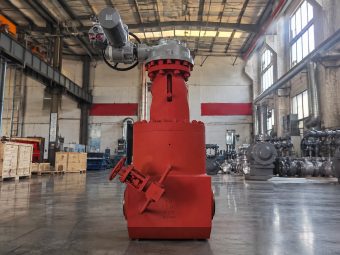
This application case focuses on a 14" 4500LB F91 Pressure Seal Gate Valve used in a high-temperature boiler project in Spain, where the valve must withstand severe pressure, elevated temperature, and reliable shut-off requirements. As one of the critical Power Plant Valves used for boiler and main steam isolation, the supplied valve adopts a pressure seal bonnet, parallel double disc structure, rising stem, full-bore design, BW ends, and electric actuation. The key selection purpose was to provide stable isolation for a high-pressure and high-temperature boiler pipeline. With ASTM A182 F91 Type 2 high-temperature material and a bypass valve for pressure equalization, the valve is designed to support safer operation during opening and closing under demanding service conditions. Project Background: High-Temperature Boiler Valve Application in Spain The Spanish project required a gate valve for high-temperature boiler service. According to the available project information, the operating condition involved high pressure and high temperature, with a 4500LB pressure class and a design temperature of 649°C.Selecting a High Pressure Valve and High Temperature Valve for this operating condition requires careful consideration of pressure class, material strength, creep resistance, sealing design, and thermal stability. For this type of service, ordinary carbon steel valves or low-pressure gate valves cannot provide sufficient material strength, thermal stability, or sealing reliability. A pressure seal gate valve was selected because its bonnet sealing performance becomes more effective as internal pressure increases. This makes the structure suitable for severe high-pressure steam and boiler pipeline applications. Challenges in High-Pressure and High-Temperature Boiler Service 1) Severe pressure and temperature: The valve is designed for Class 4500 service, with a design pressure of 184.40 bar and design temperature of 649°C. The material must maintain strength and creep resistance at elevated temperature. 2) Reliable shut-off requirement: Boiler isolation valves must provide stable sealing performance during start-up, shutdown, and operating transitions. Leakage or unstable disc seating may affect system safety and maintenance planning. 3) Operation under high differential pressure: Large high-pressure gate valves can be difficult to operate when pressure is not balanced across the disc. A bypass valve is therefore used for pressure equalization before main valve operation. 4) Welded-end pipeline connection: BW ends are suitable for severe service pipelines where flange leakage risk needs to be reduced. The project required connection according to ASME B16.25, with SMLS pipe wall thickness MW 46 mm. DERVOS Solution: F91 Pressure Seal Parallel Double Disc Gate Valve To meet these requirements, DERVOS Valve supplied a 14" Class 4500 pressure seal gate valve manufactured from ASTM A182 F91 Type 2 material.For severe boiler and power-generation service, Forged Steel Valves manufactured from high-temperature alloy grades such as F91 are commonly considered where pressure-containing strength and creep resistance are critical. F91 is a chromium-molybdenum high-temperature alloy steel commonly selected for boiler, power generation, and high-temperature steam systems because of its high-temperature strength and creep resistance. The valve adopts a parallel double disc design with full-bore flow passage. Compared with a conventional wedge gate design, the parallel double disc structure can help achieve stable seating performance in high-pressure service. The pressure seal bonnet improves bonnet sealing reliability as line pressure increases, making the structure suitable for high-pressure boiler isolation. An AOX electric actuator was selected for controlled operation. In addition, the valve is equipped with a bypass valve, allowing pressure equalization before the main valve is opened or closed. This reduces operating load and supports safer operation in high-pressure service. Key Technical Specifications of the 14" 4500LB Gate Valve Valve Type Pressure Seal Gate Valve Structure Parallel Double Disc, Rising Stem, Full Bore Size 14" / DN350 Pressure Rating Class 4500 / 4500LB Body / Bonnet Material ASTM A182 F91 Type 2 Disc / Seat F91 + STL Stem F6A 2 + N Trim Trim #5 Connection BW, ASME B16.25 Pipe Wall Thickness SMLS MW 46 mm Operation AOX Electric Actuator Design Standard ASME B16.34 Test & Inspection API 598 Design Pressure 184.40 bar Design Temperature 649°C Shell Test Pressure 116.4 MPa Seat Test Pressure 47.4 MPa Additional Feature Bypass valve for pressure equalization Why F91 Material Was Selected for Boiler Service The main material of the valve is ASTM A182 F91 Type 2. For high-temperature boiler and steam pipeline applications, F91 material provides better high-temperature strength than ordinary carbon steel. Th...
Copyright © 2015-2026 DERVOS VALVE CO.,LTD.All Rights Reserved Blog / Sitemap / XML / Privacy Policy