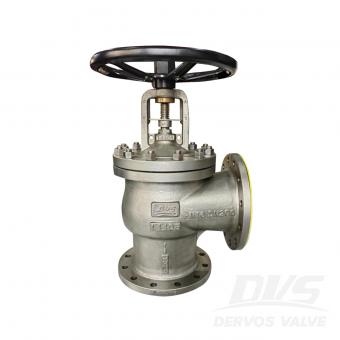
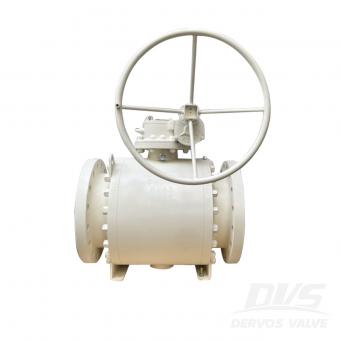
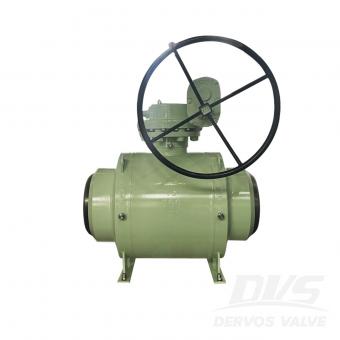
Ball valves are widely used in oil & gas, chemical processing, power generation, LNG, and water treatment systems because of their reliable shutoff performance. However, valve leakage remains one of the most common maintenance issues encountered in industrial facilities. When a ball valve starts leaking, operators often ask the same question: is the valve seat damaged, or has the sealing ring failed?
Understanding the source of leakage is critical because different failure modes require different corrective actions. Misdiagnosis can lead to unnecessary downtime, repeated failures, or even safety risks in high-pressure systems.
The first step in valve troubleshooting is determining where the leakage occurs. Internal leakage, often called seat leakage, happens when the valve is fully closed but media continues to pass through the valve. External leakage usually appears around the stem, body joint, or end connections and is often associated with packing leakage or sealing ring deterioration.
In many cases, the location of the leakage provides the first clue to the root cause.
Seat leakage is one of the most common causes of ball valve performance loss. During operation, solid particles, welding debris, scale, or corrosion products may become trapped between the ball and the sealing surface. Even small particles can scratch the seat and prevent tight shutoff.
Repeated cycling under high differential pressure can also accelerate seat wear. In abrasive services such as slurry handling or produced water systems, soft seats may gradually erode, increasing leakage rates over time.
Typical symptoms include reduced shutoff performance, increasing downstream pressure after valve closure, and failure during seat leakage testing. In some situations, flushing the valve may temporarily remove trapped debris and reduce leakage. However, once the sealing surface is damaged, seat replacement is usually required for a long-term solution.
If leakage appears around the stem or body connection, the problem is more likely related to packing leakage or seal ring degradation. Elastomer seals and O-rings are exposed to pressure, temperature fluctuations, chemical attack, and aging throughout their service life.
Incorrect material selection is a frequent cause of premature failure. For example, standard elastomers may harden, crack, or lose elasticity when exposed to aggressive chemicals or elevated temperatures. Improper installation and excessive stem operation can also accelerate wear.
Minor stem leakage can sometimes be controlled by carefully adjusting gland bolts according to manufacturer recommendations. However, damaged packing or degraded seal rings should be replaced during a planned shutdown. For high-pressure, toxic, or flammable services, seal replacement must follow plant safety procedures and should never be attempted under pressure.
Many leakage problems are not caused by a single component defect but by unsuitable operating conditions. Pressure spikes, thermal cycling, cavitation, frequent throttling, and media contamination can all shorten the service life of seats and seals.
Ball valves are primarily designed for on-off service. Using them as control valves in partially open positions may increase wear on the sealing surface and significantly reduce valve life.
Reducing valve leakage starts with proper valve selection. Seat materials, sealing components, pressure class, and temperature ratings should match actual operating conditions rather than design assumptions. Regular valve maintenance, periodic leakage testing, and upstream filtration can significantly improve reliability.
Operators should also monitor leakage trends rather than waiting for complete failure. Early intervention is typically less costly than emergency repairs or unplanned shutdowns.
Q: Can a leaking ball valve continue operating?
A: Minor external leakage may be monitored temporarily, but internal leakage affecting process safety should be addressed promptly.
Q: Can tightening the packing stop leakage permanently?
A: Usually not. Tightening may provide temporary control, but worn packing normally requires replacement.
Q: How can seat leakage be confirmed?
A: Pressure testing and downstream monitoring are commonly used to verify seat leakage.
Q: Is it safe to repair a leaking valve under pressure?
A: No. Disassembly or seal replacement on a pressurized valve is unsafe and should never be performed.
Ball valve leakage is commonly caused by seat damage, seal ring deterioration, or operating conditions that accelerate wear. Correct diagnosis is essential because seat leakage and packing leakage involve different failure mechanisms and repair methods. Proper material selection, correct operating practices, and preventive maintenance remain the most effective ways to reduce valve leakage, improve system reliability, and extend valve service life.
Copyright © 2015-2026 DERVOS VALVE CO.,LTD.All Rights Reserved Blog / Sitemap / XML / Privacy Policy