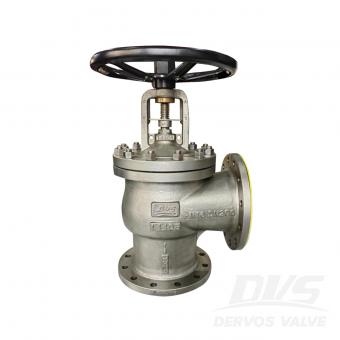
Globe valves are among the most commonly used isolation valves in industrial piping systems and are widely applied in the oil and gas, chemical processing, power generation, and water treatment industries. Although their design is relatively straightforward, incorrect installation with the flow direction reversed remains a common field issue.
Many operational problems—including poor shutoff performance, seat leakage, packing leakage, and increased operating torque—can often be traced back to improper valve orientation. In high-temperature, high-pressure, or hazardous service conditions, an incorrect installation direction may not only affect sealing performance but also shorten valve service life and increase maintenance costs.
Most globe valves have a flow direction arrow cast or stamped on the valve body. Under normal operating conditions, the process media should flow in the direction indicated by the arrow, allowing system pressure to act beneath the disc.
When the valve is closed, this pressure distribution helps improve contact between the sealing surfaces and reduces the risk of seat leakage.
If the media flows in the opposite direction, the disc may be subjected to additional impact loads during closure. This can accelerate wear of the sealing surfaces and lead to common field issues such as internal leakage after shutoff, increased seat damage, and higher operating torque.
A globe valve installed in the wrong direction often exhibits several recognizable symptoms. Operators may notice difficulty opening the valve, increased stem loading, or leakage around the packing box area.
In steam or high-temperature applications, disc vibration and abnormal flow-induced noise may also occur.
The underlying cause is that fluid pressure acts in a direction different from the valve's design intent, placing unintended loads on the disc, stem, and sealing components. Over time, this can accelerate sealing surface wear and eventually result in seat leakage. When handling corrosive media or fluids containing solid particles, the rate of deterioration may increase further.
Not every incorrectly installed globe valve requires an immediate shutdown. If the system operates at relatively low pressure and no leakage or abnormal performance is observed, corrective action may be scheduled during the next planned maintenance outage.
However, prompt attention is recommended if any of the following conditions are present:
1. Persistent internal leakage
2.Inability to achieve full shutoff
3.Excessive vibration or abnormal noise
4.Leakage from the packing area
For high-pressure steam systems, flammable media, explosive services, toxic fluids, or high-temperature applications, an incorrectly installed globe valve should be corrected in accordance with established safety procedures as soon as practicable. Disassembly or maintenance under pressure must never be attempted.
Temporary mitigation measures may reduce short-term operational risks but cannot eliminate the long-term risk of sealing surface damage or structural degradation.
During project installation, technicians should carefully verify the process flow diagram against the flow direction arrow on the valve body to prevent costly rework caused by installation errors.
For critical services, flow direction verification should be included in both pre-commissioning inspections and pressure testing procedures.
Valve selection should also consider operating pressure, temperature, and cycle frequency. In applications requiring frequent operation, ensuring that the disc and sealing surfaces are loaded in accordance with the original design intent can significantly reduce leakage risk and extend service life.
Q: Will a globe valve always leak if it is installed backward?
A: Not necessarily. However, sealing surface wear is likely to increase significantly, which may lead to a higher risk of leakage over time.
Q: Can a globe valve installed backward continue operating in a low-pressure water system?
A: It may continue functioning in the short term, but correcting the installation during the next maintenance shutdown is recommended.
Q: What is the fastest way to determine whether a globe valve is installed incorrectly?
A: Check whether the actual media flow direction matches the arrow marked on the valve body.
Q: Can repairs be performed under pressure after discovering incorrect installation?
A: No. Any disassembly, adjustment, or corrective work must be performed only after the system has been safely isolated and depressurized.
An incorrectly installed globe valve may appear to be a minor issue, but it can lead to reduced sealing performance, increased seat leakage, and shortened equipment service life. By verifying the flow direction marking, observing operating conditions, and assessing application risks, maintenance personnel can usually identify the problem quickly.
Proper installation, routine inspection, and preventive maintenance remain essential for ensuring the long-term reliability and safe operation of globe valves.
Copyright © 2015-2026 DERVOS VALVE CO.,LTD.All Rights Reserved Blog / Sitemap / XML / Privacy Policy