-
Valve pressure rating is one of the primary parameters used to determine whether a valve can safely operate in a specific piping system. In industrial applications, pressure class does not simply represent the maximum working pressure of a valve. The actual pressure capability depends on the pressure-temperature rating defined by standards such as ASME B16.34, as well as valve materials, design co...
View More
-
When comparingplug valve prices for water treatment systems, the purchase cost is only one part of the evaluation. A valve with a lower initial price may require more frequent maintenance, replacement of sealing components, or additional installation adjustments during operation. For engineers and procurement teams, the correct comparison should consider valve design, materials, operating conditio...
View More
-
Check valves play a critical role in water treatment systems by preventing reverse flow and protecting pumps, pipelines, filters, and other process equipment. Although they operate automatically without external actuation, selecting the correct check valve is essential for system reliability. In water treatment applications, valve performance depends not only on flow direction but also on pressure...
View More
-
Selecting the correct check valve size is more than matching the valve bore to the pipeline diameter. Check valve sizing directly affects flow stability, pressure loss, service life, and protection against reverse flow. An oversized valve may never reach full opening, causing disc flutter and premature wear, while an undersized valve can introduce excessive pressure drop and limit system capacity....
View More
-
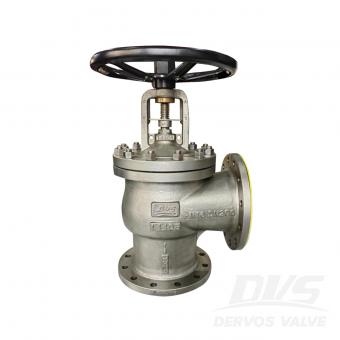
Introduction Globe valves are among the most commonly used isolation valves in industrial piping systems and are widely applied in the oil and gas, chemical processing, power generation, and water treatment industries. Although their design is relatively straightforward, incorrect installation with the flow direction reversed remains a common field issue. Many operational problems&md...
View More
-
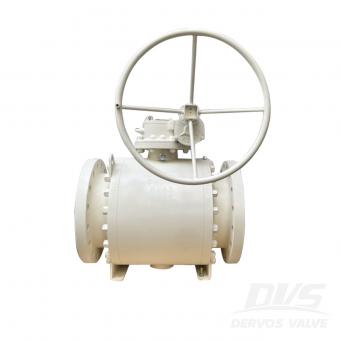
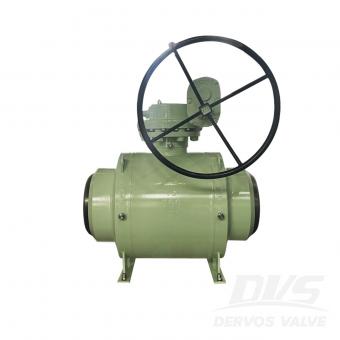
Ball valves are widely used in oil & gas, chemical processing, power generation, LNG, and water treatment systems because of their reliable shutoff performance. However, valve leakage remains one of the most common maintenance issues encountered in industrial facilities. When a ball valve starts leaking, operators often ask the same question: is the valve seat damaged, or has the sealing ring ...
View More
-
Selecting a plug valve for high-pressure service is rarely just about matching the pressure class on a datasheet. In actual industrial systems, valve performance is influenced by temperature, media condition, operating frequency, sealing design, and maintenance accessibility. A plug valve that performs well in clean liquid service may fail much faster in steam, slurry, or corrosive chemical applic...
View More
-
Introduction In refinery turnaround work, pipeline isolation is often treated as a routine maintenance task until operators face leakage during hot work preparation or line intervention. Choosing between a spectacle blind valve and a paddle blind is not simply a matter of installation preference. The selection affects isolation reliability, operating time, piping stress, and maintenance access. &n...
View More
-
Gate valve disc (wedge/seat) wear is a common failure mode in industrial systems. Typical symptoms include internal leakage, incomplete shut-off, increased operating torque, or visible damage to sealing surfaces. Whether the valve disc can be replaced on site depends on the valve construction, sealing design, and actual service conditions. The conclusion is straightforward: in some cases replaceme...
View More