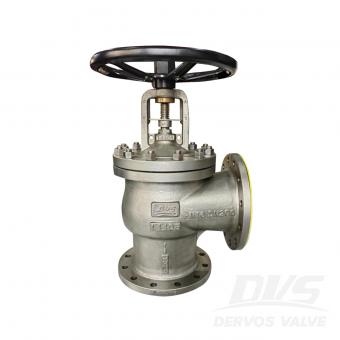
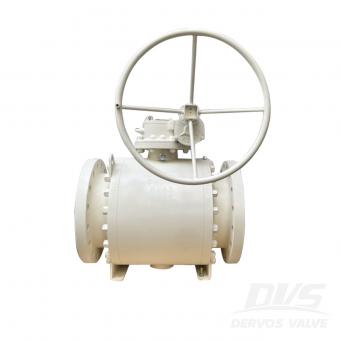
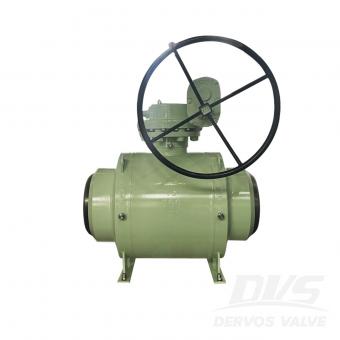
As one of the most widely used shut-off valves in industrial pipeline systems, the gate valve is valued for its simple structure, low flow resistance, and broad applicability across oil and gas, chemical processing, power generation, water treatment, and other industries. However, like any type of valve, a gate valve has both strengths and inherent limitations. Understanding these advantages and disadvantages helps engineers make informed selection decisions and avoid improper use that could lead to system failures or increased maintenance costs.
1.Extremely Low Fluid Resistance
Gate valves feature a straight-through flow path, with minimal change in flow direction, resulting in very low resistance and pressure drop. This makes them ideal for long-distance pipelines, such as oil transmission lines or steam systems where stable pressure must be maintained.
2.Suitable for Large Diameters and High-Pressure Service
With a relatively simple structure, gate valves can easily be scaled to DN1000, DN1200, or larger sizes, while withstanding high temperature and high pressure, making them a common choice for large industrial pipelines.
3.Reliable Sealing Performance
Wedge-type gate valves achieve self-tightening sealing through the wedge design, maintaining excellent sealing under high temperature and high pressure. Parallel-type designs are suitable for low-pressure applications, with minimal sealing surface wear.
4.Wide Media Compatibility
Gate valves are suitable for almost all types of fluids, including water, steam, oil, natural gas, corrosive media, and fluids with minimal particulate content. By selecting appropriate body and sealing materials, they can meet diverse industrial requirements.
5.Bidirectional Sealing Capability
Most gate valves can achieve bidirectional sealing, making them suitable for applications where flow direction is variable or two-way isolation is required.
6.Minimal Wear on Sealing Surfaces in Fully Open Position
When fully open, the gate does not contact the seat, significantly reducing wear and extending the valve’s service life.
1.Not Suitable for Throttling or Flow Regulation
Gate valves are designed for fully open or fully closed operation. Partially opening the valve can cause the gate to vibrate due to fluid impact, which over time may damage the sealing surfaces or even deform the gate.
2.Relatively Slow Operation
Gate valves have a long opening and closing stroke, requiring substantial stem travel space. As a result, they take longer to operate and are not ideal for emergency shutoff situations.
3.Large Installation Space Required
Due to the long stem travel, gate valves are taller and bulkier, making them less suitable for systems with limited installation space.
4.Relatively High Maintenance Difficulty
Once the gate or sealing surfaces are damaged, disassembly, grinding, and maintenance require significant effort. This is especially true for large-diameter, high-pressure valves, resulting in higher maintenance costs.
5.Susceptible to Obstruction by Particles
If the medium contains solid particles, they may get trapped between the gate and the seat, preventing full closure or smooth operation.
Gate valves are particularly suitable for the following conditions:
● Large-diameter pipelines
● Systems requiring low flow resistance
● High-temperature and high-pressure environments
● Operations with infrequent opening and closing
● Industrial equipment conveying steam, oil, natural gas, or similar media
For applications that require frequent cycling or precise flow regulation, gate valves are not recommended. Instead, globe valves, ball valves, or butterfly valves are more suitable for such control purposes.
Q1: Why shouldn’t gate valves be used for throttling?
When partially open, the gate is subjected to high-velocity fluid, which can cause vibration, noise, and rapid damage to the sealing surfaces.
Q2: What are the advantages of gate valves compared to ball valves?
Gate valves are more cost-effective, suitable for larger diameters, and can withstand higher temperatures. Ball valves, on the other hand, are better suited for quick opening and closing.
Q3: What are the common structural types of gate valves?
The main types are wedge gate valves and parallel gate valves. Based on the stem design, they can be further classified as rising-stem or non-rising-stem valves.
Q4: What are common causes of gate valve leakage?
Leakage can result from worn sealing surfaces, obstruction by particles, incomplete stem closure, or damaged stem threads.
Q5: Can gate valves be installed on horizontal and vertical pipelines?
Most gate valves support installation in any orientation, but it is recommended to follow the manufacturer’s instructions to avoid uneven stress on the stem.
Copyright © 2015-2026 DERVOS VALVE CO.,LTD.All Rights Reserved Blog / Sitemap / XML / Privacy Policy