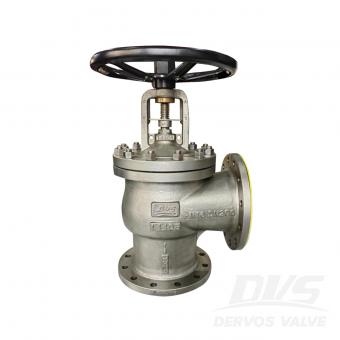
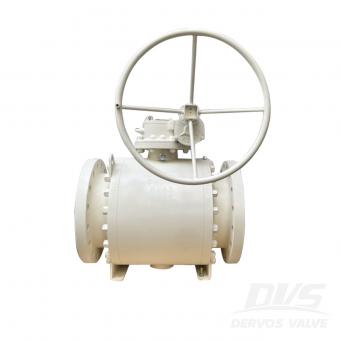
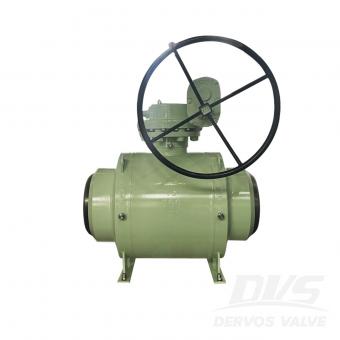
Globe valves are one of the most commonly used control valves in industrial piping systems, primarily designed to stop or regulate fluid flow. In industries such as chemical, petroleum, power generation, and pharmaceuticals, the reliability of a globe valve directly affects production safety and equipment lifespan. However, with the wide variety of globe valves available on the market, how can one quickly assess their quality? This article analyzes five practical aspects to help you evaluate globe valve quality.
The quality of a globe valve largely depends on its material and casting process. High-quality valves are typically made of carbon steel, stainless steel, or alloy steel, with smooth surfaces free of pores, cracks, or sand holes. The casting should be uniform, and any welded or connected parts must be flat and reliable. The material determines the valve’s pressure and corrosion resistance, while the craftsmanship affects sealing performance and service life.
Pro Tip: Inspect the valve body and joints—obvious defects or uneven surfaces often indicate low-quality valves.
The valve stem and seat are the core components of a globe valve. High-quality valves feature stems made of high-tensile materials with precise machining and smooth surfaces to minimize wear. Valve seats should provide reliable sealing; metal seats are suitable for high-temperature, high-pressure applications, while soft seats are better for low-pressure systems requiring tight sealing.
Pro Tip: Rotate the valve stem by hand—smooth operation without sticking usually indicates good machining precision and seal design.
A high-quality globe valve should operate smoothly when opening and closing, neither too tight nor too loose. Excessive tightness may indicate poor machining or severe wear between the stem and seat, while looseness could result in leakage. The feel during operation directly affects maintenance efficiency and operational safety.
Pro Tip: Manually operate the valve at room temperature and feel the resistance. Smooth and consistent resistance usually indicates reliable quality.
Industrial valves typically have defined pressure ratings, such as PN16, PN40, or ANSI 150. High-quality valves are designed and manufactured strictly according to relevant standards and verified through pressure testing. Pressure tests, including shell tests and sealing tests, are crucial for assessing valve reliability.
Pro Tip: Check the product certificate or inspection report to confirm whether the valve has passed national or international pressure tests.
The quality of globe valve accessories—such as bolts, handwheels, packing, and brackets—also affects overall valve performance. High-quality valves typically feature corrosion-resistant bolts, well-designed handwheels, and stable packing materials to ensure long-term operation without loosening or leakage.
Pro Tip: Check whether bolts are evenly tightened, the handwheel rotates smoothly, and packing is uniformly filled. These details reflect the overall craftsmanship and quality of the valve.
Q1: Which is better, metal seat or soft-sealed seat?
A1: Metal seats are suitable for high-temperature, high-pressure, and corrosive media, while soft-sealed seats are ideal for low-pressure, clean fluids where tight sealing is required. The choice should depend on the operating conditions.
Q2: How can I tell if a globe valve has been pressure tested?
A2: Check the product certificate or pressure test report. High-quality valves typically provide both shell tests and sealing test records.
Q3: Can a globe valve be damaged if not used for a long time?
A3: Long periods of inactivity may cause stem or seat corrosion and packing aging. Regular operation and maintenance are recommended.
Q4: What should I do if the valve feels stiff during operation?
A4: This could be due to insufficient stem lubrication, overly tight packing, or seat wear. Inspect and adjust lubrication or replace components as necessary.
Copyright © 2015-2026 DERVOS VALVE CO.,LTD.All Rights Reserved Blog / Sitemap / XML / Privacy Policy