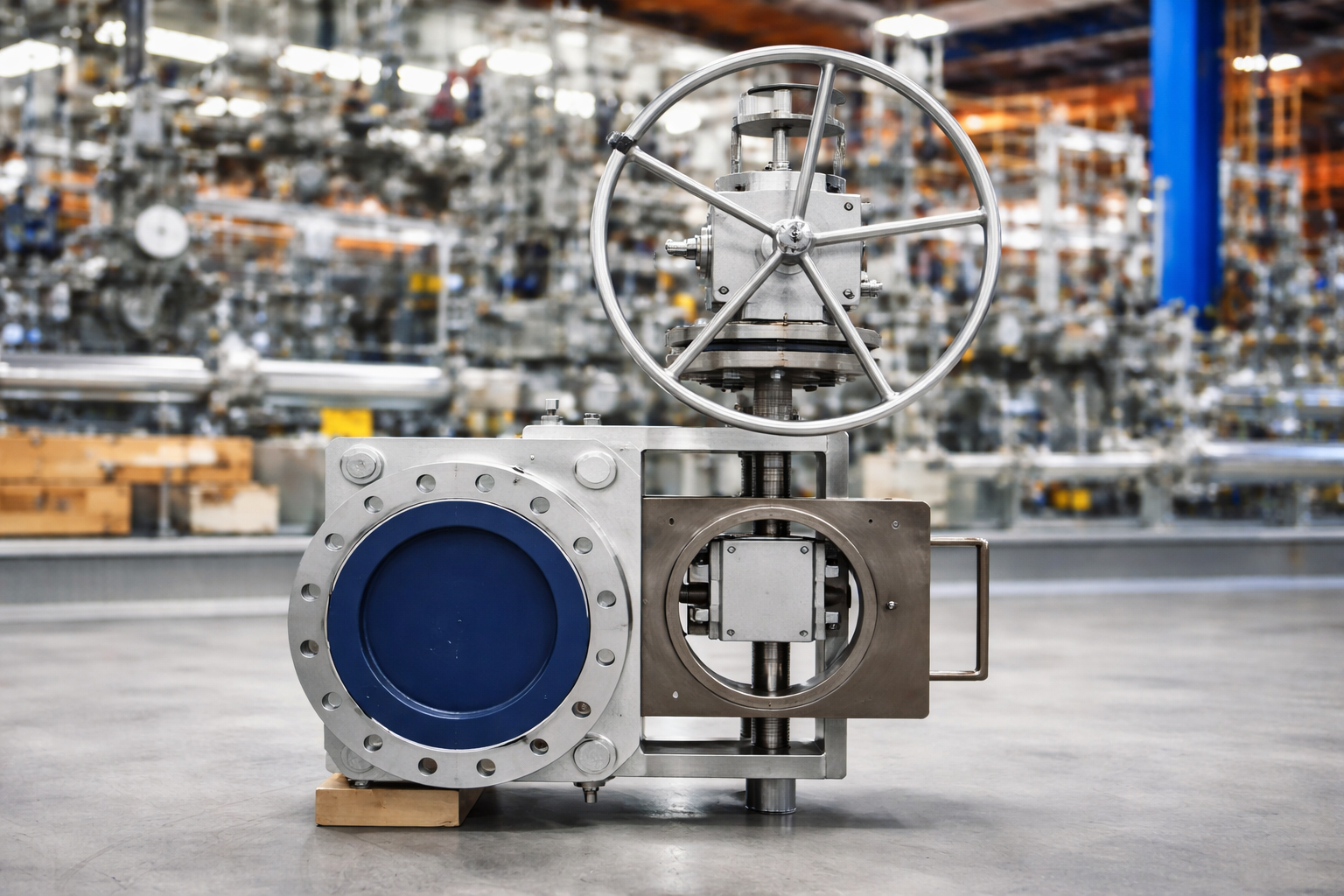
Gate valves and blind valves are both used for pipeline isolation, but they operate on fundamentally different principles.In industrial piping systems, if the objective is true physical isolation (positive isolation), then a blind valve (Blind Valve / Line Blind Valve) is generally more reliable than conventional valves. Instead of relying on seat sealing, it isolates the medium through a solid blind plate, which defines both its application scope and engineering value. The key features of a blind valve can be understood from an engineering perspective as follows: 1. Absolute Physical Isolation If zero leakage is required, then conventional valves (such as gate valves or ball valves) introduce risk, as their performance depends on sealing integrity. Blind valves follow a different logic: ▶ If a solid plate is inserted, then the flow is completely blocked▶ If the blind plate is correctly positioned, then sealing failure is no longer a concern This makes blind valves more suitable for: ● Oil & gas pipeline isolation ● Flammable media (petroleum, LNG, chemicals) ● High temperature steam systems Engineering conclusion:If the project requires verifiable isolation, then a blind valve should be prioritized over sealing-dependent industrial valves. 2. Inline Operation Capability Traditional spade and spacer blinds typically require flange disassembly, which increases operational complexity and introduces safety risks. Blind valves (such as sliding blind valves and swing blind valves) are designed with a different approach: ▶ If frequent switching between operation and maintenance is required, then manual intervention must be minimized▶ If shutdown is not permitted, then switching must be performed under pressurized pipeline conditions (subject to specific design) Therefore: ● Sliding Blind Valve: suitable for limited space and higher automation requirements ● Swing Blind Valve: simple structure, suitable for medium to low switching frequency ● Spectacle Blind Valve: suitable for low-frequency operation and cost-sensitive projects Engineering conclusion:If maintenance is frequent or shutdown is not feasible, then a blind valve with inline operation capability should be prioritized. 3. Mechanical Reliability The reliability of a blind valve does not depend on complex sealing systems, but on: ● Mechanical structural stability ● Material strength (such as A105, WCB, F22, LF2) ● Actuation method (manual, gear-operated, or hydraulic) ▶ If the service conditions involve high temperature, high pressure, or corrosive media, then sealing-based valves are more prone to failure▶ If...
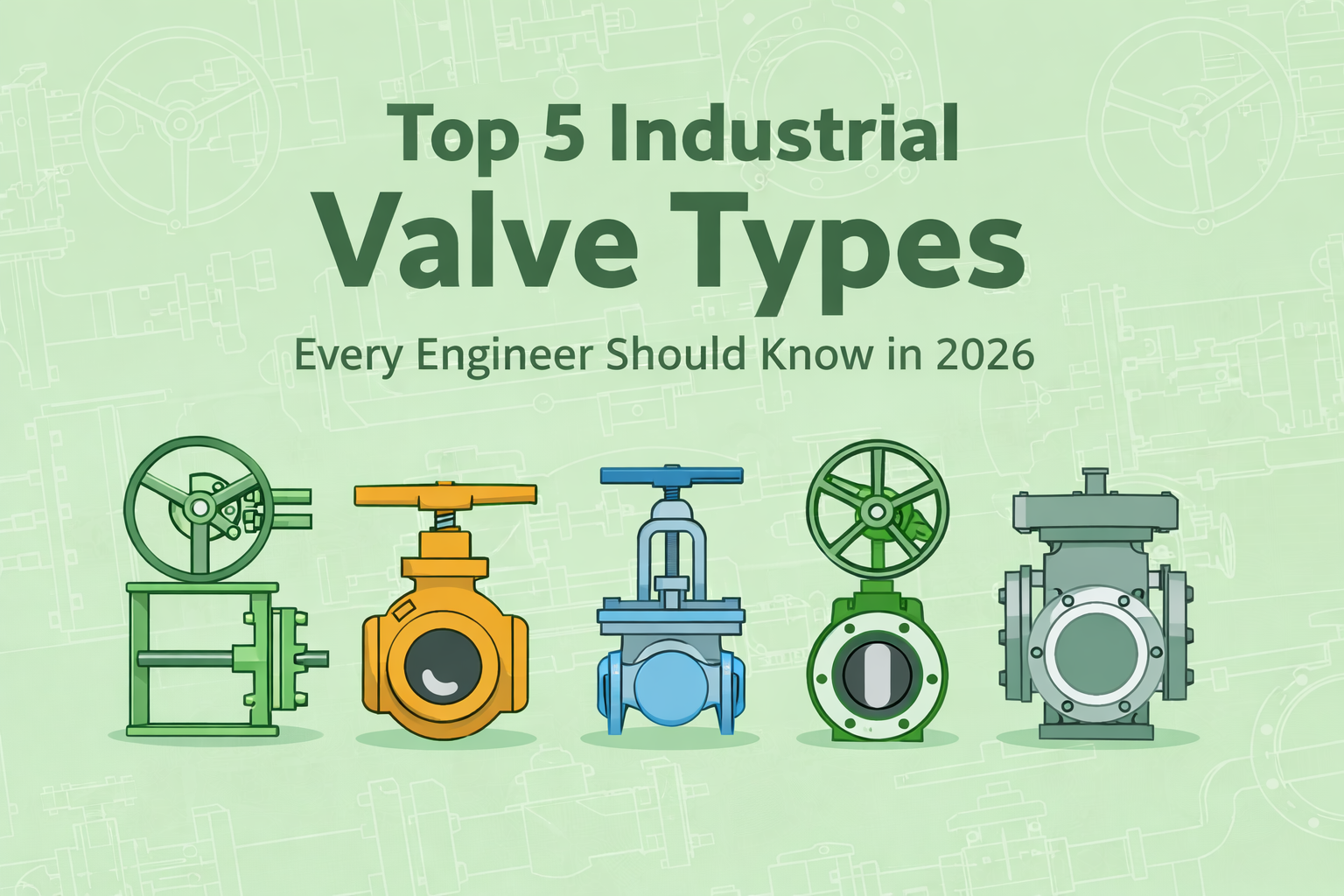
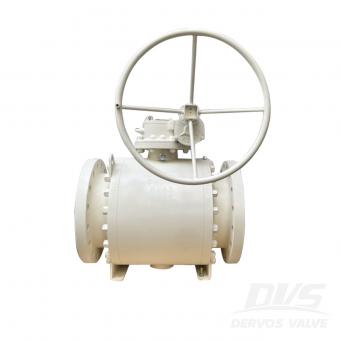
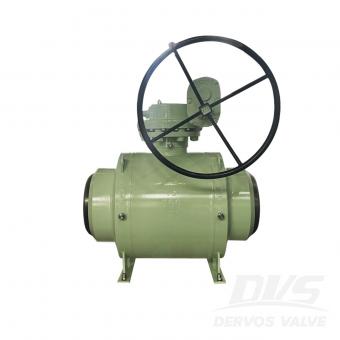
Choosing the right industrial valve type is one of the most critical decisions in system design. A poor selection—even when using high-quality valves—can lead to leakage, pressure loss, vibration, frequent maintenance, and long-term operational inefficiency. This guide covers the main industrial valve types, their applications, advantages, and limitations, along with practical insights to help you make the right valve selection for your project in 2026. What Are Industrial Valve Types? Industrial valve types refer to different valve designs used to control, regulate, or isolate fluid flow in piping systems. Each type is engineered for a specific function—such as shut-off, throttling, or backflow prevention—and selecting the correct type is essential for system safety and efficiency. 5 Main Industrial Valve Types and Their Applications 1. Ball Valve Best for: Quick shut-off and low pressure drop Ball valves use a rotating ball with a straight-through bore. When fully open, they provide minimal resistance, making them one of the most efficient options for fluid transmission. Common applications: ● Oil and gas pipelines ● High-pressure systems ● Frequent on/off operations Selection notes: ● Full-port designs minimize energy loss ● Metal-seated ball valves perform better in abrasive or high-cycle conditions Avoid if:Precise flow control is required. Throttling with a ball valve can damage sealing surfaces over time. 2. Gate Valve Best for: Isolation service with minimal flow resistance Gate valves operate by lifting a gate out of the flow path. They are widely used in large-diameter pipelines where full open or full close operation is required. Common applications: ● Long-distance transmission pipelines ● Water treatment systems ● High-temperature steam lines Selection notes: ● Near-zero pressure drop when fully open ● Wedge gate valves provide better sealing in high-temperature conditions Avoid if:Frequent operation or throttling is required. Gate valves are not designed for repeated cycling. 3. Globe Valve Best for: Precise flow regulation Globe valves force fluid through a controlled flow path, allowing accurate throttling and stable flow control. Common applications: ● Steam systems ● High-temperature processes ● Flow regulation applications Selection notes: ● Excellent throttling performance ● Stable operation under fluctuating flow conditions Avoid if:Pressure drop must be minimized. Globe valves inherently create higher flow resistance. 4. Check Valve Best for: Automatic backflow prevention Check valves operate automatically based on flow directi...

Recently, Dervos Valve helped a client in Hungary overcome a common challenge in industrial steam systems: how to safely isolate high-temperature pipelines without leakage or downtime. Operating with saturated steam at around 250°C and exposed to temperatures as low as -39°C, the client’s system demanded a solution that was both robust and reliable. Traditional valves often failed to maintain a tight seal under such conditions, and conventional isolation methods required depressurizing the line, increasing downtime and operational risk. To address these challenges, Dervos supplied a DN400 PN40 sliding line blind valve, engineered specifically for the project’s harsh conditions. The valve’s sliding blind mechanism allows operators to switch between flow and isolation positions without depressurizing the system, enhancing safety and efficiency during maintenance. Built with forged 20GML steel and a metal-to-metal stainless steel sealing structure, the valve delivers reliable performance under both high-temperature steam and extreme outdoor climates. Its full-bore design minimizes flow resistance, while the worm gear manual actuator ensures smooth and controlled operation even at large sizes and high pressure ratings. Safety features such as anti-misoperation devices and protective blind plate structures further reduce the risk of errors during handling. Since installation, the valve has enabled leak-free operation, safer maintenance procedures, and stable performance in extreme temperatures. Designed for a service life exceeding 30 years, it provides a long-term, low-maintenance solution, giving the client confidence in their steam system’s reliability and safety. This project highlights how a carefully engineered sliding line blind valve can solve critical isolation challenges in high-temperature steam applications, combining operational safety, durability, and efficiency in one solution.

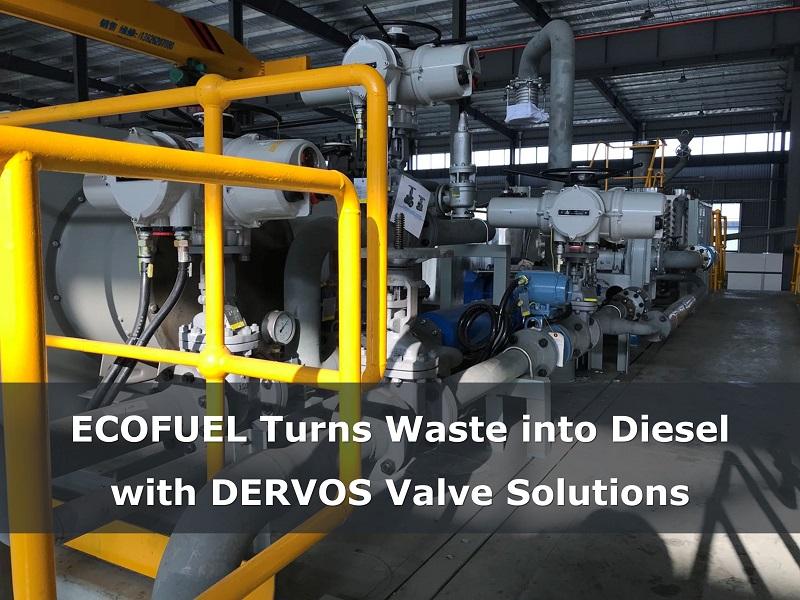
In 2017, DERVOS contributed to an innovative environmental initiative led by ECOFUEL, an emerging canadian player in clean technology. This groundbreaking project aimed to produce sustainable diesel from solid waste, setting a precedent in green energy solutions. DERVOS is proud to have provided 136 sets of premium valves to support this pioneering effort.

DERVOS’s Contribution
DERVOS supplied a diverse range of high performance valves, including:
Segment Ball Control Valves: Renowned for their exceptional regulating performance, these V-type ball valves deliver precise control and are particularly suited for media containing fibers, solid particles, and slurry. The unique design featuring a V-shaped slit and metal seat enhances both cut-off and flow regulation capabilities.
Knife Gate Valves: Ideal for handling mediums with wooden debris and slurry, these valves offer excellent cut-down performance, ensuring reliable operation in challenging conditions.
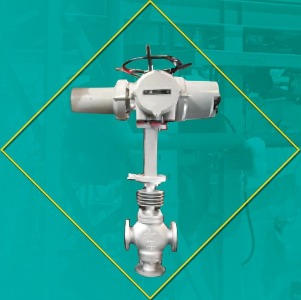
Three-Way Split Flow Valves: Remotely controlled by electric actuators, these valves enable the flow to be split into two streams, providing precise control over process parameters.
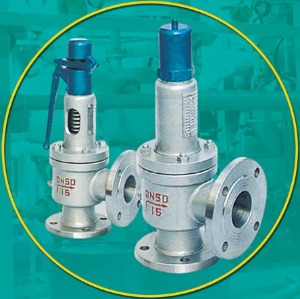
Safety Valves: Customized to meet API 520 and API 526 standards, these valves are tailored to the project’s specific pressure, temperature, and flow capacity requirements, delivering optimal over-pressure protection.
Why DERVOS VALVE?
Our team’s expertise in valve selection and customization ensured seamless integration of our products into ECOFUEL’s processes. From gate valves to safety valves, DERVOS’s comprehensive product range met the diverse demands.

A Step Towards a Sustainable Future
DERVOS, as a leading valve manufacturer, is proud to support the ECOFUEL Innovation Project, demonstrating our commitment to global environmental protection. By delivering reliable flow control solutions, we help industries adopt cleaner, more sustainable technologies.
If you are interested in our products and want to know more details,please leave a message here,we will reply you as soon as we can.

The refinery of MOL, located in Hungary, requires regular ball valve and check valve replacements to maintain optimal performance. As a trusted check and ball valve supplier of MOL, DERVOS continues to provide ball valves for their operations. In this project, DERVOS supplied a batch of high-performance ball valves and check valves for fluid control in oil and gas applications. They required various types and specifications of ball and check to meet the operational and sealing requirements of different pipeline systems.
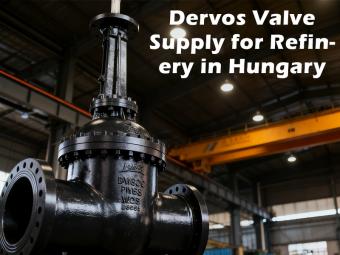
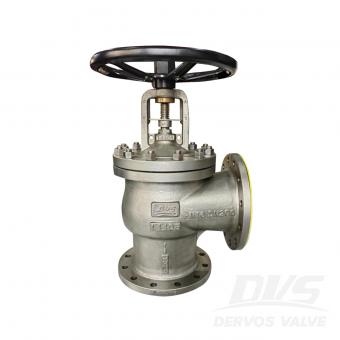
Project Background In 2024, DervosValve was selected as a trusted valve supplier for a refinery project in Hungary. The client required large-sized industrial valves capable of handling complex and high-pressure oil and gas media. With years of engineering experience and proven track records in the energy sector, Dervos was chosen to provide a complete valve solution tailored to the refinery’s operational needs. Scope of Supply ● 10 pcs Gate Valves ● 9 pcs Check Valves All valves were designed and manufactured according to API and ASME standards, ensuring compliance with international refinery safety and performance requirements. Product Design & Technical Highlights The supplied valves feature bolted bonnet design, flexible wedge, and rising stem with yoke support, which enhance sealing reliability and facilitate maintenance. Their large-scale structure was customized to fit the refinery’s pipeline system, allowing smooth fluid control and stable operation under high temperature and pressure. Performance in Refinery Conditions Refinery environments involve frequent temperature fluctuations and medium impurities. Dervos valves demonstrated outstanding sealing performance, corrosion resistance, and mechanical strength, ensuring long-term stability with minimal maintenance requirements. The bolted bonnet design also makes disassembly and inspection more convenient during scheduled shutdowns. Why the Client Chose Dervos The Hungarian client valued Dervos for: ● Proven experience in oil & gas valve solutions ● Strict material traceability and quality control system ● Flexible customization capabilities for large valve dimensions ● On-time delivery and complete documentation support Throughout the project, our technical and logistics teams worked closely with the client’s engineers, ensuring each valve was tested, packaged, and delivered to meet project timelines and refinery installation standards. Customer Feedback & Project Outcome After installation and commissioning, the refinery reported stable operation and precise flow control performance. The valves’ large design and robust construction fully met system pressure and flow requirements. The client expressed satisfaction with both the quality and Dervos’ technical responsiveness, laying a solid foundation for future cooperation. Conclusion This successful refinery project in Hungary once again highlights Dervos’ ability to deliver reliable, large-size valve solutions for the oil and gas industry. We continue to serve our global partners with precision engineering, professional service, and long-term reliability.
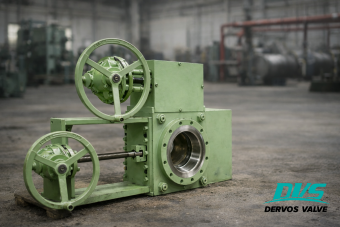
1. Challenges Faced by the Client An oil terminal operator in South Africa, handling multiple light petroleum products such as HSD, MA, and JET-A1 within its pipeline system, encountered the following key challenges: ● Volatile and complex media: Aviation fuels such as JET-A1 require extremely high sealing performance; even minor leakage poses significant safety risks. ● Frequent media switching: Reliable physical isolation is required during product changeover. Conventional valves cannot achieve absolute shut-off. ● Insufficient sealing performance: Standard gate valves and ball valves present a risk of internal leakage after prolonged service. ● Strict safety requirements: The client specified a clear requirement for “zero visible leakage.” 2. Our Solution To address these operating conditions, Dervos Valves supplied a Slide Blind Valve, with the following key configurations: Design Type: Slide Blind (Spectacle Blind / Line Blind) ● Switching between a solid plate and a spacer enables complete shut-off or full flow. ● Provides visual and verifiable positive isolation, meeting high safety requirements. Sealing Design: Drip-tight Construction ● Effectively prevents leakage and evaporation of light hydrocarbons. ● Suitable for stringent sealing requirements of aviation fuel service. Pressure Rating and Standards: ● Class 150, in accordance with ASME B16.34 ● Flanged connection: Raised Face (RF) Material: ASTM A105 Forged Steel ● Offers high mechanical strength and pressure resistance. ● Well-suited for petroleum service, balancing cost efficiency and reliability. Operation: Worm Gear (Turbine Drive) ● Suitable for large diameter (10") applications, reducing manual effort. ● Enhances operational stability and safety during switching. 3. Results Achieved In actual operation, the slide blind valve enabled reliable physical isolation between different petroleum products, ensuring a clearly verifiable disconnected state during media switching. This fundamentally eliminates the risk of internal leakage associated with conventional valves. The drip-tight design effectively controlled evaporation and leakage when handling light hydrocarbons such as HSD, MA, and JET-A1, significantly improving on-site safety performance. In addition, the worm gear operation provided smoother and more controlled switching, reducing manual effort and minimizing the risk of operational errors, even in large-diameter applications. Overall, the solution not only met the client’s stringent requirements for high sealing integrity and safety, but also improved the operational stability and maintenance reliability of the pipeline system.

Zimbabwe National Oil Infrastructure Company (NOIC) Tank Farm Project This article is based on a tank farm project of the Zimbabwe National Oil Infrastructure Company (NOIC), focusing on practical challenges in pipeline isolation and maintenance switching, including flammable media, the requirement for pressurized operation, and high reliability under outdoor conditions. The solution involves a 10" 150LB swing type line blind valve, designed in accordance with ASME B16.34, with WCB cast steel body and metal sealing tested to API 598 zero leakage standards. Combined with worm gear operation and an anti-misoperation mechanism, the valve enables positive isolation switching without depressurization or shutdown. The implementation effectively improves operational safety, enhances maintenance efficiency, and reduces downtime losses. This case provides practical reference for engineers involved in pipeline isolation, valve selection, and online maintenance in the oil & gas industry. Project Background ● End User: Zimbabwe National Oil Infrastructure Company (NOIC) ● Installation Location: Petroleum storage terminal, Zimbabwe ● Medium: Petroleum ● Operating Requirement: The pipeline must reliably switch between normal operation and maintenance conditions, with strict requirements for safe isolation and zero leakage shut-off. Challenges Faced by the Client 1) Flammable Medium with High Safety RequirementsThe transported medium is petroleum. Any leakage may result in serious safety incidents. Therefore, high sealing integrity and operational reliability are required. 2) Requirement for Isolation Under PressureConventional valves cannot provide positive isolation without depressurization during maintenance. Depressurization leads to operational interruption, product loss, and additional restart costs. 3) Outdoor Installation with High Reliability DemandThe valve is installed in an outdoor station. It must withstand site environmental conditions and ensure stable operation with controlled risk of misoperation over long-term service. Solution To address the above conditions, Dervos Valve supplied a 10" 150LB swing type line blind valve with the following key design features: 1) Design Standard and MaterialThe valve is designed and manufactured in accordance with ASME B16.34. The body material is WCB cast carbon steel, suitable for petroleum service conditions, with a temperature range of -29°C to 150°C, offering adequate corrosion resistance and mechanical strength. 2) Sealing PerformanceThe sealing pair adopts a precision-machined soft sealing structure, tested in accordance with API 598. It achieves reliable zero leakage under petroleum service conditions, ensuring safe pipeline isolation. 3) Swing Type Blind StructureThe swing blind plate allows switching between flow and blind positions without pipeline disassembly or depressurization. This enables rapid transition and solves the limitation of conventional valves in achieving online positive isolation. Swing Type Blind Technical Drawing 4) Operation and Safety DesignEquipped with a worm gear operator and anti-misoperation device, the valve ensures smooth manual operation with clear position indication, minimizing the risk of incorrect operation in field conditions. Implementation Results After commissioning, the solution delivered the following benefits: 1) Reliable Isolation PerformanceThe valve meets API 598 leakage requirements. No leakage has been observed during operation, ensuring safe pipeline performance. 2) Improved Maintenance EfficiencyThe swing type structure enables online isolation without depressurization. Maintenance time is significantly reduced, minimizing production interruption. 3) Controlled Operational SafetyClear blind position indication and anti-misoperation design reduce risks for field operators, aligning with safety management practices in oil & gas facilities. Conclusion In this project, Dervos Valve provided a swing type line blind valve solution that achieves safe isolation under continuous operation in petroleum service. The solution ensures long-term sealing reliability and meets the project's requirements for safety, reliability, and operational efficiency in national oil infrastructure applications.
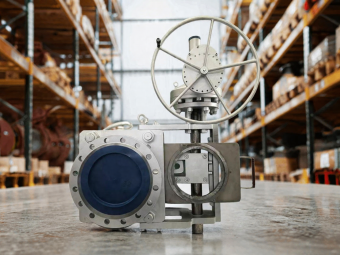
In an industrial steam system project in Hungary, a DN400 PN40 sliding blind valve was applied to achieve safe isolation and zero leakage shut-off under high-temperature conditions. What Challenges Are Commonly Encountered in Steam System Maintenance? In industrial steam systems, maintenance activities often face several practical challenges.In this project, the main issues included: ● The process medium was steam, with an operating temperature of approximately 250°C and a design temperature range from -39°C to 350°C, requiring the equipment to withstand both high-temperature and low-temperature conditions. ● The steam system required high sealing performance; conventional valves are prone to sealing failure under high-temperature steam conditions. ● During pipeline maintenance, safe isolation was required; traditional isolation methods could not achieve blind switching without depressurization. ● The valve was exposed to outdoor conditions, with ambient temperatures as low as -39°C, requiring high structural reliability and safe operation. How Can These Challenges Be Addressed in High-Temperature Steam Pipeline Systems? Based on the actual service conditions and technical requirements, Dervos Valve provided a customized DN400 PN40 forged sliding blind valve solution: 1. Material and Standards Designed in accordance with EN 12516, the valve body is made of ASTM A350 LF2 forged steel, offering both low-temperature impact toughness down to -40°C and stable strength at temperatures up to 350°C, suitable for wide temperature fluctuations. 2. Sealing Design The sealing pair adopts Stellite hardfacing with precision-machined metal sealing surfaces, meeting EN 12266-1 Leakage Class A requirements.Reliable zero leakage performance is maintained under 250°C saturated steam and thermal cycling conditions. 3. Structure and Operation The full-bore design reduces flow resistance, while a gear-operated mechanism ensures smooth operation for large-size PN40 valves. The sliding blind structure enables inline isolation switching without depressurization or pipeline disassembly, combined with: ● Mechanical interlock to prevent misoperation ● Visual position indication This significantly improves maintenance safety. Project Performance Since commissioning, the valve has completed more than 20 pressurized isolation operations, with sealing performance consistently meeting Class A requirements and no internal or external leakage observed. The switching time for each isolation operation is controlled within 10 minutes, significantly reducing maintenance time compared to traditional methods involving depressurization and manual blind insertion. Designed in accordance with EN 12516, the valve has an expected service life of 30 years, contributing to a substantially lower total lifecycle maintenance cost.
Copyright © 2015-2026 DERVOS VALVE CO.,LTD.All Rights Reserved Blog / Sitemap / XML / Privacy Policy