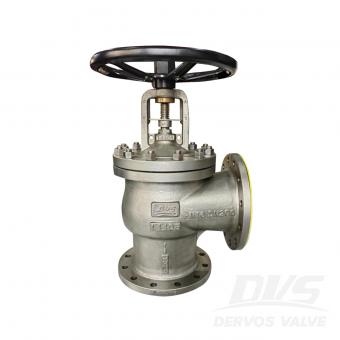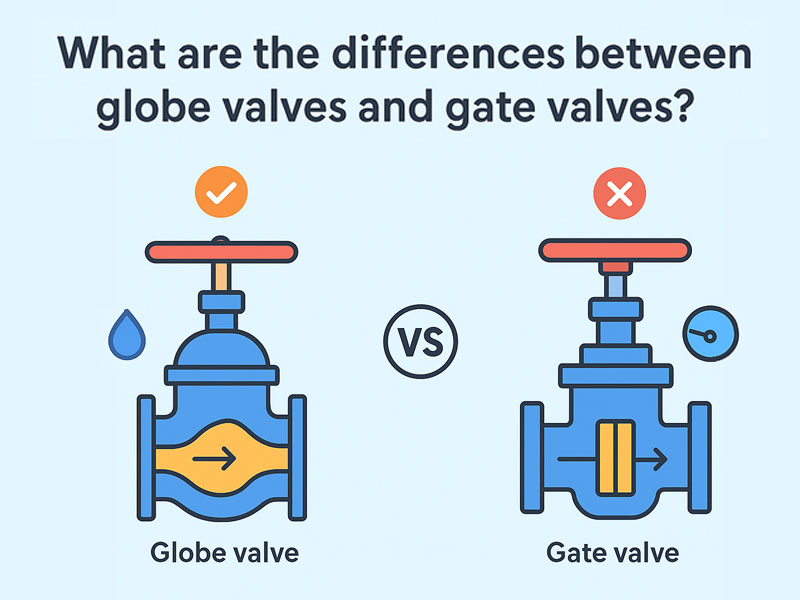
In industrial piping systems, globe valves and gate valves are two of the most commonly used shutdown valves. Although both are designed for starting and stopping fluid flow, they differ significantly in structural design, operating principles, application scenarios, and overall performance. Understanding these differences helps engineers make informed selections that ensure system efficiency, reliability, and cost-effectiveness. I. Key Differences in Structure and Operating Principles 1. Different opening and closing mechanisms Globe Valve: The disc moves up and down along a path perpendicular to the flow direction. Shutoff is achieved when the disc and seat sealing surfaces come into full contact. Gate Valve: The gate moves vertically in a manner similar to a “gate” that is either fully open or fully closed, with sealing achieved through surface compression. This means that globe valves are suitable for precise throttling, while gate valves are mainly used for full open or full shut service. 2. Flow path design differences A globe valve has an S-shaped flow path that forces the medium to change direction, resulting in higher flow resistance. A gate valve features a straight-through flow path with minimal resistance and low pressure drop, making it better suited for long-distance transmission. II. Differences in Application Scenarios 1. Throttling vs. On/Off Service Globe valves can be used for throttling and flow regulation, making them suitable for applications requiring high sealing performance and precise flow control, such as steam, cooling water, and various process media. Gate valves are not suitable for throttling, as operating them in a partially open position may cause gate vibration, damage to the sealing surfaces, and fluid-induced impact. Gate valves are ideal for large-diameter pipelines where low flow resistance is required and switching frequency is relatively low, including oil transportation, water supply and drainage, and power plant systems. 2. Size range and installation space Globe valves are generally used in small to medium sizes (more common below DN50). Their body structure is heavier and requires more installation space. Gate valves are suitable for medium to large sizes. Due to their simpler design, they offer a cost advantage in larger dimensions. III. Sealing Performance and Pressure Ratings 1. Differences in sealing surface design The globe valve features a tapered sealing surface, which achieves tight shutoff through axial compression, making it easier to obtain reliable sealing performance. The gate valve uses either parallel or wedge-type sealing surfaces. Its sealing effectiveness depends largely on the pressure applied by the gate and is more influenced by the system’s medium pressure. 2. Pressure and temperature adaptability Both valve types are suitable for medium- to high-pressure and high-temperature applications....
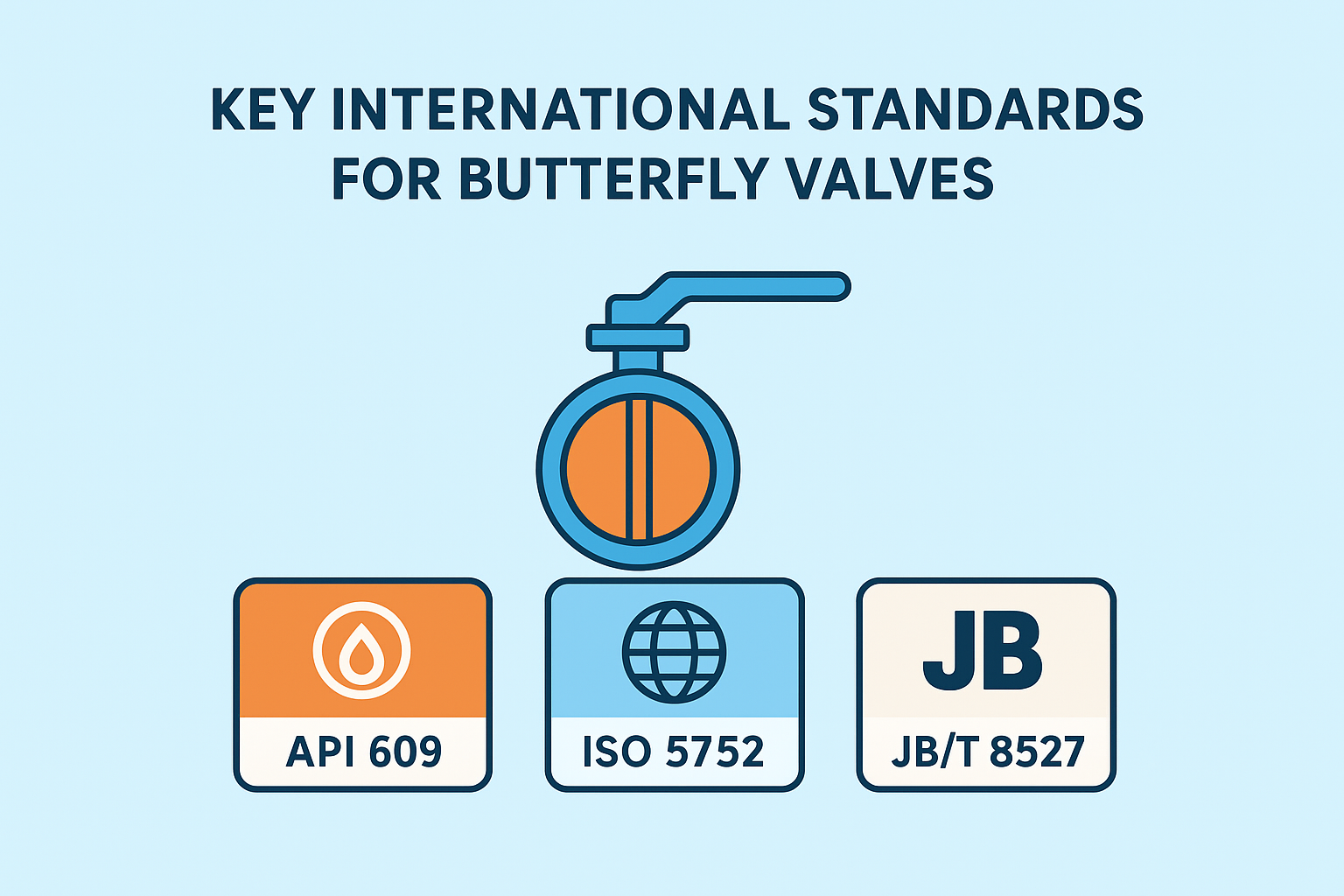
Butterfly valves are widely used in industrial piping systems due to their compact structure, lightweight design, and quick operation. They are commonly applied in water treatment, chemical, power, oil, and gas industries. However, when dealing with industrial standards across different countries and regions, selecting a butterfly valve that meets the relevant specifications is crucial. This article provides a detailed analysis of butterfly valve design and selection requirements based on three key standards: API 609, ISO 5752, and GB/T 12238. 1. API 609 — American Petroleum Institute Standard API 609 is the American Petroleum Institute (API) standard for metal-seated butterfly valves, primarily used in the oil, gas, and chemical industries. The standard defines valve structure, materials, dimensions, and pressure ratings to ensure reliable performance under high temperature, high pressure, and corrosive media conditions. Key points include: ● Pressure Ratings: Covers Class 150 to 1500, accommodating various service conditions. ● Body and Disc Design: Metal-to-metal sealing requires precise alignment between disc and seat to prevent leakage under high temperature or high pressure. ● Testing and Inspection: Includes shell tests, seat leakage tests, and operational performance checks to ensure valve safety and reliability. For high-temperature steam or high-pressure oil and gas pipelines, selecting a butterfly valve compliant with API 609 can significantly reduce leakage risk and extend equipment lifespan. 2. ISO 5752 — International Standard Organization Standard ISO 5752 is the International Organization for Standardization (ISO) standard that specifies end dimensions and flange connection sizes for valves. It defines the face-to-face dimensions, flange sizes, and connection methods for butterfly valves, providing a consistent interface specification for industrial users worldwide. Key points include: ● Face-to-Face Dimensions: Specifies valve lengths for different nominal diameters to ensure compatibility with piping systems. ● Flange Dimensions: Ensures valves match international standard pipe fittings, such as ANSI or DIN flanges. ● Interchangeability: Butterfly valves designed according to ISO 5752 can be replaced or serviced globally without redesigning the pipeline interface. ISO 5752 is particularly suitable for multinational engineering projects, ensuring the universality of butterfly valves across different plants and systems. 3. JB/T8527 — Chinese National Standard JB/T8527 is the Chinese national standard specifying the dimensions, structure, and testing requirements for metal hard-seal butterfly valves. It is widely applied in domestic industrial projects such as water conservancy, power, and petrochemical industries, serving as an important reference for procurement and acceptance. Key ...
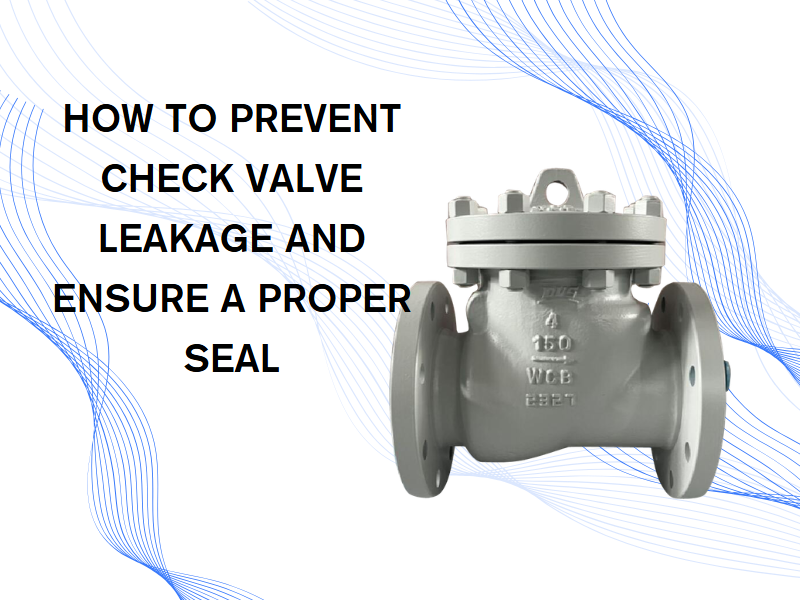
Check valves are often considered the most “quiet” yet essential components in a piping system. Their primary function is to prevent backflow and safeguard pumps, compressors, and the overall stability of the system. However, in real-world applications, poor sealing—commonly referred to as “leakage”—is one of the most frequent and frustrating issues encountered in check valve operation. When a check valve fails to seal properly, it can reduce system efficiency, trigger pressure fluctuations, cause water hammer, and even damage critical equipment. This article breaks down the technical causes behind check valve leakage and offers practical diagnostic and corrective measures to help you quickly identify and resolve sealing problems, even under challenging operating. 1. Why Does a Check Valve Fail to Close Properly? Common Causes Explained 1. Presence of Particles or Solid Impurities in the Medium Solid particles can become trapped between the disc and the seat, preventing full contact and causing slight or even noticeable leakage. Typical signs include: ● Significant leakage at small opening positions ● Leakage decreases after cleaning 2. Disc Wear or Seat Damage Frequent cycling, corrosive media, or high-velocity flow can wear the sealing surfaces, resulting in scratches, pits, or deformation. This issue is especially common in high-temperature steam systems. 3. Incorrect Installation Direction or Insufficient Tilt Angle Although it may sound like a basic mistake, incorrect installation still occurs on many job sites. Since check valves rely heavily on gravity and flow direction, improper installation prevents the disc from returning to its closed position smoothly. 4. Flow Velocity Too Low to Create Adequate Differential Pressure A check valve opens through fluid flow. When the flow rate is too low, the disc may flutter or fail to close completely, leading to leakage. Common scenarios include: ● Insufficient straight-pipe length ● Frequent pump start/stop ● Poorly designed low-flow systems 5. Disc Sticking or Hinge Mechanism Not Operating Smoothly In swing check valves, rust, corrosion, or lack of lubrication at the hinge pin or disc connection may cause sticking, preventing full closure. 6. Thermal Deformation of Sealing Surfaces Due to Temperature Fluctuations In high-temperature conditions such as steam service, thermal expansion and contraction can slightly deform sealing surfaces, resulting in an imperfect seal. 2. How to Quickly Determine If a Check Valve Is Not Closing Properly? 1. Abnormal Pressure Gauge Readings If the inlet pressure remains stable while the outlet pressure gradually rises, backflow caused by check-valve leakage is the most likely reason. 2. Pipe Vibration or Light Knocking Sounds This indicates that the disc is oscillating at high frequency, often due to insufficient flow velocity or a loose dis...
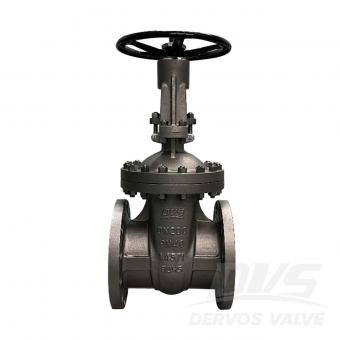
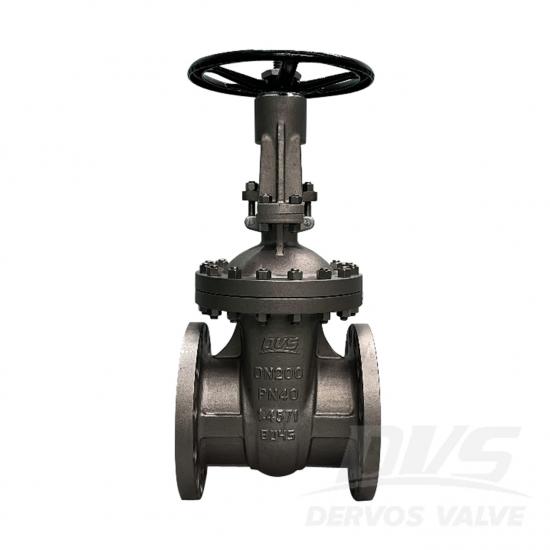
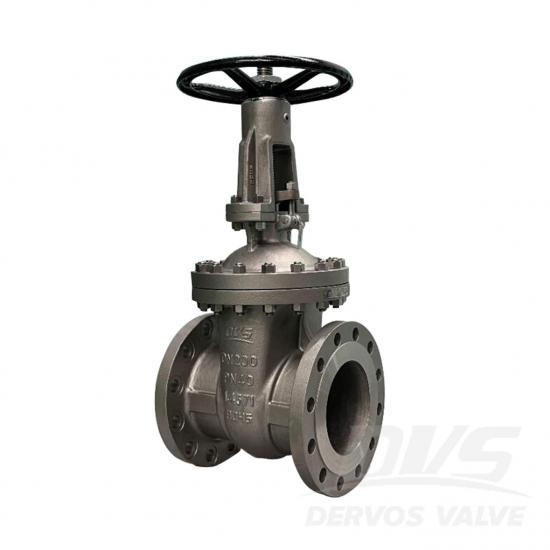
DN200 PN40 gate valve is made according to EN1984 standard. The valve body is made of 1.4571+STL. It has the structural characteristics of bolt cover, elastic gate, rising stem and bracket. Its connection mode is EN1092-1/B. And it has hand wheel operation mode.
Payment:
30% when order confirmed, 70% before shipmentProduct Origin:
ChinaColor:
CustomizationShipping Port:
Shanghai, ChinaLead Time:
30~60 days Ex Works after order confirmationMaterial:
1.4571+STLMethod of Operation:
HW-OPProduct Description
|
Type |
Gate Valve |
|
Size |
DN200 |
|
Pressure |
PN40 |
|
Connection |
EN1092-1/B |
|
Operation |
HW-OP |
|
Body Material |
1.4571+STL |
|
Design Norm |
EN1984 |
|
Face to Face Dimensions |
Customer Standards |
|
Flange dimension |
EN1092-1/B1 |
|
Test & Inspection Code |
EN12266-1/2 |
|
Temperature |
-29 ~ 425°C |
|
Applicable Medium |
Water, Oil and Gas |
Features
1. Low fluid resistance, effortless opening and closing, unrestricted medium flow direction;
2. Simple form, short structural length, good manufacturing process, and wide application range.
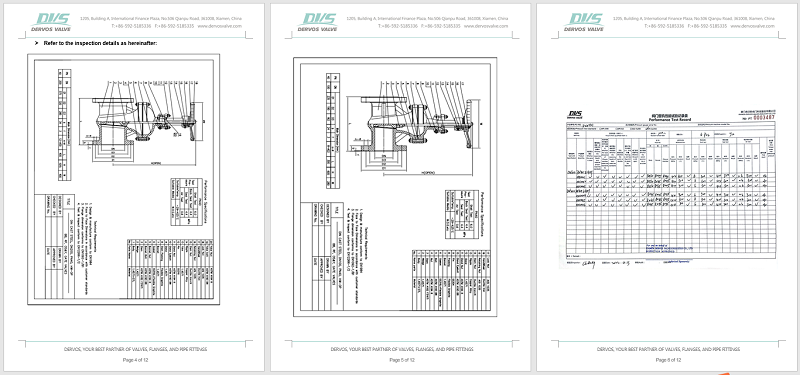
Technical Drawing

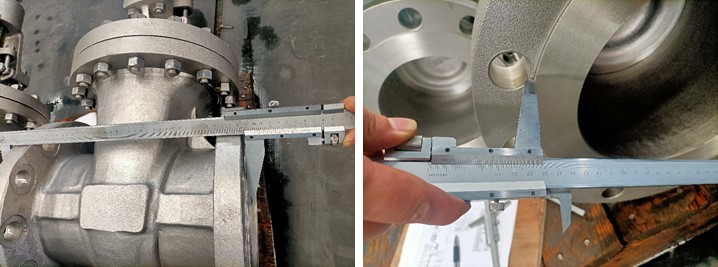
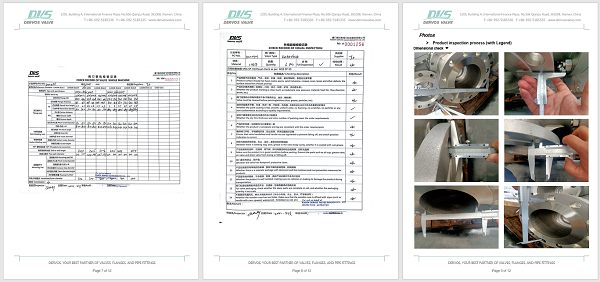
Dimension Checking
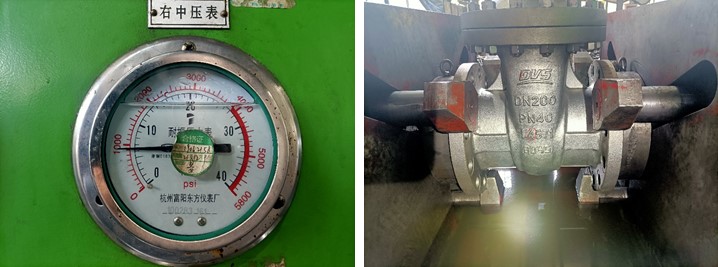
Pressure Testing
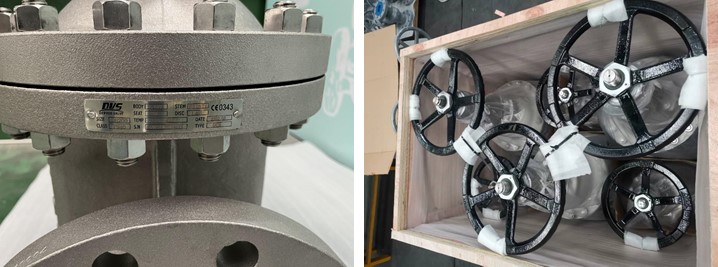
Nameplate & Packing
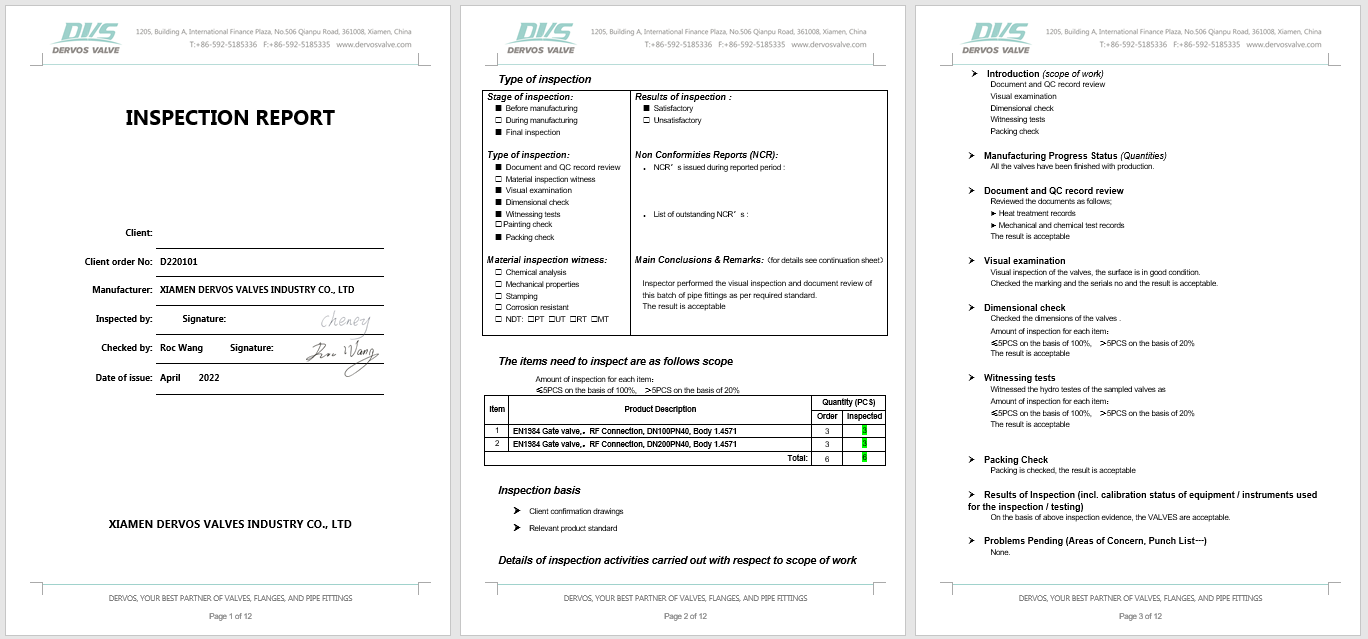
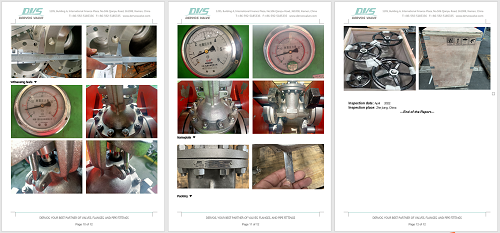
Inspection report
If you are interested in our products and want to know more details,please leave a message here,we will reply you as soon as we can.
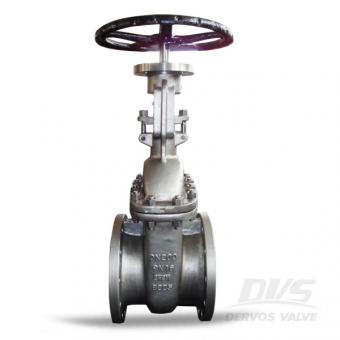
The stainless steel CF8M gate valve is designed with flange connection and handwheel operation per DIN 3352. The PN16 DN200 full port gate valve has OS&Y structure, resilient wedge and replaceable seat. Design Specifications Design and Manufacture: DIN 3352 End to End Dimension: DIN3202 Flange End: EN1092-1 Test & Inspection: EN12266-1/2 Design Feature -Full Bore Design -Superior flow rates & small friction loss -Low torque value for closing and opening the valve -Flexible wedge for better seating and ease of operation -Smooth finish and superior sealing for seat face -Every valve is manufactured with specific number on body for traceability Quick Detail Type Gate Valve Size DN 200 Pressure PN 16 Construction Bolted Bonnet, Rising Stem, Outside Screw and Yoke Connection Flange Connection Operation Handwheel Body Material Stainless Steel CF8M TrimMaterial Stainless Steel Temperature Range -268℃~+648℃ Medium Water, Oil and Gas Origin China Dervos Packaging Packaging is an important part we could never neglect. Dervos has a packaging process for each order to ensure a safe and clear delivery of the order.
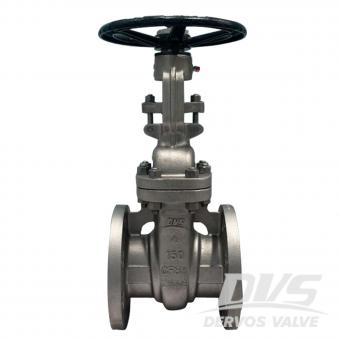
4" 150LB gate valve is made according to API 603 standard. The valve body is made of ASTM A351 CF8M+STL. It has the structural characteristics of bolt cover, elastic wedge and rising stem. Its test and inspection conform to API 598, and its operation mode is handwheel operation.
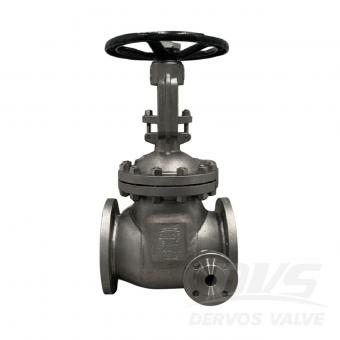
DN125 PN16 gate valve is made according to DIN 3352 standard. The valve body is made of 1.4408. It has the structural characteristics of bolt cover, rising stem, elastic wedge, with SS316 insulation jacket and structural length of 325mm. Its connection mode is RF EN1092-1 B1. And it has hand wheel operation mode.
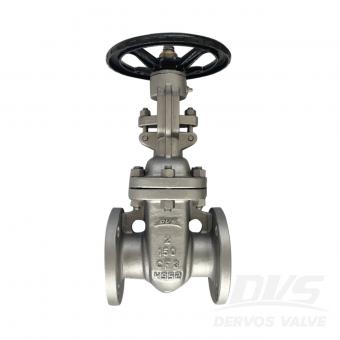
2" 150LB gate valve is made according to API 600 standard. The valve body is made of A351 CF3. It has the structural characteristics of bolt cover, rising stem bracket. Its connection mode is RF. And it has handwheel operation mode.
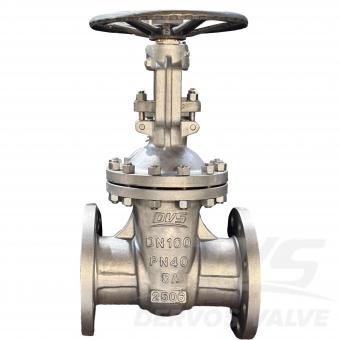
DN100 PN40 5A Duplex Stainless Steel Gate Valve is made according to EN 1984 standard. The valve body is made of ASTM A995 5A+STL. It has the structural characteristics of Full Bore, Bolted Bonnet, Rising Stem with Yoke, Flexible Wedge. Its connection mode is EN1092-1 B1. And it has hand wheel operation mode.
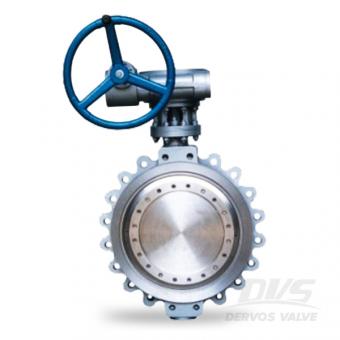
The 16 inch triple offset butterfly valve is designed with metal seat, stainless steel CF8M body, disc and stem. The fully lugged butterfly valve with gearbox has Class 150 design pressure as per API 609. Design Feature 1. Small volume, light weight, simple structure 2. Multi-layer metal seated/fully metal seated 3. Firesafe design 4. Anti-blowout stem 5. Small torque value for operating easily 6. Reliable sealing and could meet zero leakage requirement 7. With function of regulating flow 8. Triple eccentric design for minimized wear of sealing face Quick Detail Type Butterfly Valve Size 16'' Pressure ANS 150 Structure Triple Eccentric, Triple Offset, Metal Seated Connection Type Lug Type Operation Gearbox Operated Design Code API 609 Face to Face ASME B16.10 End Connection ASME B16.5 Test & Inspection API 598 Body Material A351 CF8M Temperature Range -29℃~+425℃ Application Water, Oil, Gas Material No Part Name Carbon steel to ASTM Alloy steel to ASTM Stainless steel to ASTM WCB WC6 WC9 C5 CF8 CF8M CF3 CF3M 1 Body A216 WCB A217 WC6 A217 WC9 A217 C5 A351 CF8 A351 CF8M A351 CF3 A351 CF3M 2 Below Axle Bush PTFE or Stainless Steel and Graphite Spiral Wound 3 Stem A182 F6 A182 F304 A182 F304 A182 F304 A182 F304 A182 F316 A182 F304L A182 F316L 4 Seat Ring F6 Stellite 6 Stellite 6 Stellite 6 A182 F304 A182 F316 A182 F304L A182 F316L 5 Butterfly Plate A216 WCB A217 WC6 A217 WC9 A217 C5 A351 CF8 A351 CF8M A351 CF3 A351 CF3M 6 Lock Ring A105 A182 F22 A182 F22 A182 F22 A182 F304 A182 F316 A182 F304L A182 F316L 7 Pin Carbon Steel or Alloy Steel 8 Screw Carbon Steel or Alloy Steel 9 Top Axle Bush PTFE or Stainless Steel and Graphite Spiral Wound 10 Packing Graphite+SS304 11 Bolt A193 B7 A193 B7 A193 B7 A193 B7 A193 B8 A193 B8 A193 B8 A193 B8 12 Nut A194 2H A194 2H A194 2H A194 2H A194 Gr.8 A194 Gr.8 A194 Gr.8 A194 Gr.8 13 Bolt A193 B7 A193 B7 A193 B7 A193 B7 A193 B8 A193 B8 A193 B8 A193 B8 14 Nut A194 2H A194 2H A194 2H A194 2H A194 Gr.8 A194 Gr.8 A194 Gr.8 A194 Gr.8 15 Yoke A216 WCB A217 WC6 A217 WC9 A217 C5 A351 CF8 A351 CF8M A351 CF3 A351 CF3M 16 Gland A182 F6 A182 F304 A182 F304 A182 F304 A182 F304 A182 F316 A182 F304L A182 F316L
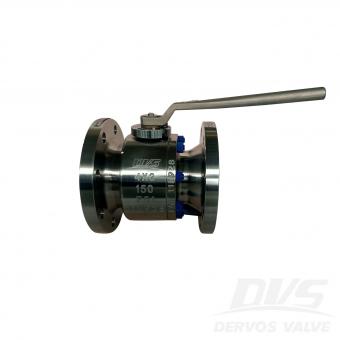
4x3" 150LB floating ball valve is made according to API 6D standard. The valve body is made of A182 F51. It has the structural characteristics of two piece, floating ball, reduced diameter, anti-fire, anti-static, anti-flying valve stem, bidirectional, with locking device. Its connection mode is RF. And it has lever operation mode.
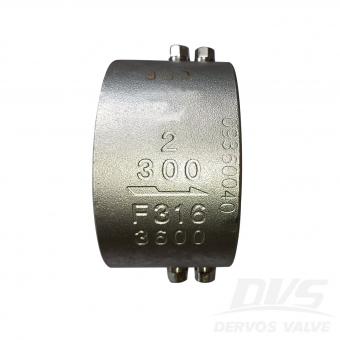
2" 300LB dual plate wafer check valve is made according to API 594 standard. The valve body is made of A182 F316. It has the structural characteristics of double disc. Its connection mode is RF.
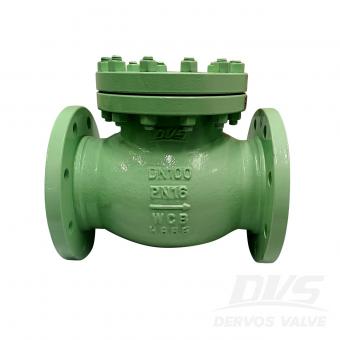
DN100 PN16 check valve is made according to EN12516-1 standard. The valve body is made of ASTM A216 WCB+STL. It has the structural characteristics of lifting type with spring. Its connection mode is EN1092-1 B.
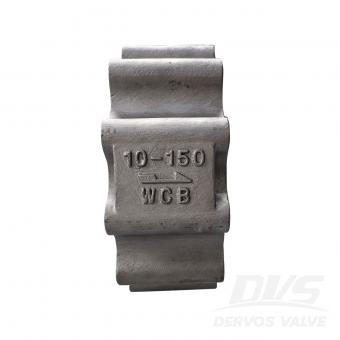
10" 150LB wafer check valve is made according to API 594 standard. The valve body is made of A216 WCB+316. It has the structural characteristics of double disc and wafer type. Its connection mode is Lug.
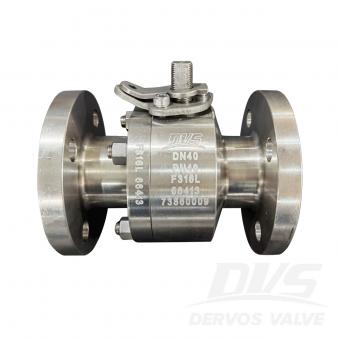
DN40 PN40 floating ball valve is made according to EN 13709 standard. The valve body is made of A182 F316L. It has the structural characteristics of floating ball. Its connection mode is RF. And it has lever operation mode.
Copyright © 2015-2025 DERVOS VALVE CO.,LTD.All Rights Reserved Blog / Sitemap / XML / Privacy Policy