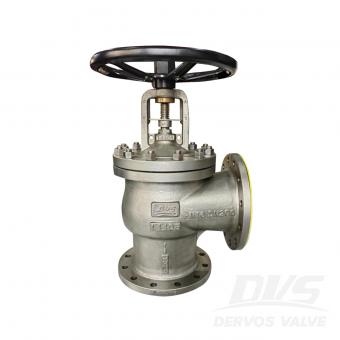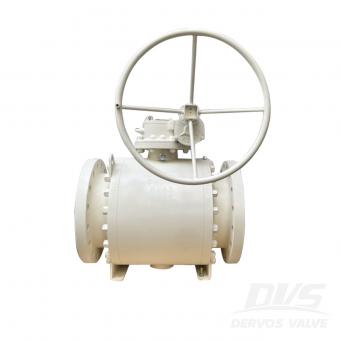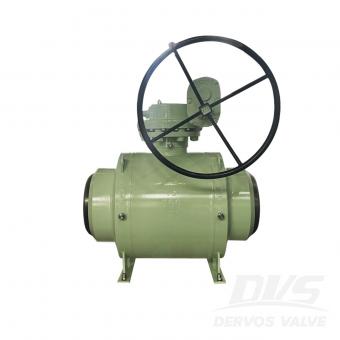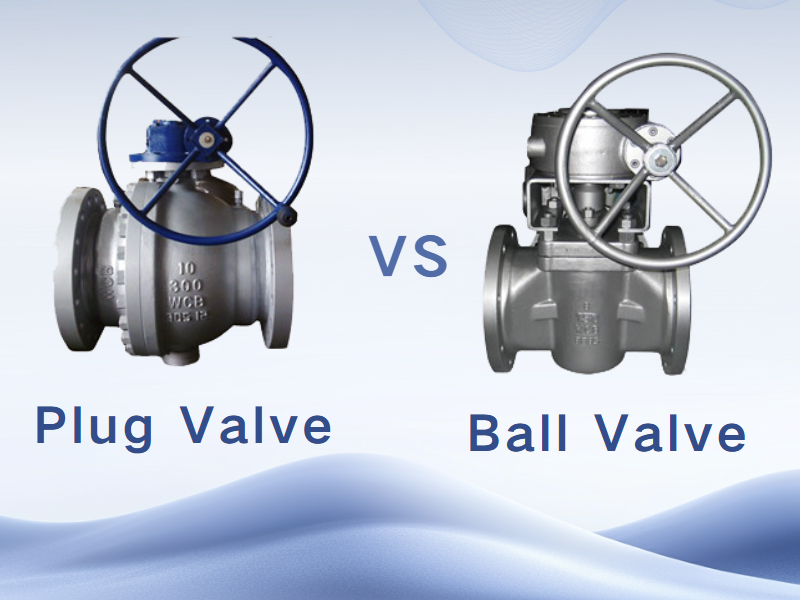
Ball valves and plug valves differ significantly in several aspects, including structure, operating principle, mode of operation, flow control capability, sealing performance, and application scenarios. These differences enable the two types of valves to perform distinct roles in their respective fields. Structural Differences The ball valve, a design evolved from the plug valve, utilizes a spherical element as its core component. By rotating the ball 90° around the stem axis, the valve can be opened or closed. Its structure is straightforward, consisting primarily of a spherical closure element with a through-bore housed within the valve body. In contrast, the structure of a plug valve is more complex. It comprises multiple components such as the valve body, bonnet, plug, seat, and stem. The closure element is a cylindrical or tapered plug that controls flow by rotating 90°, aligning or misaligning the port in the plug with the flow passage in the valve body to achieve opening or shutoff. Operating Principle The operating principle of a ball valve relies on the rotation of the ball to control the on-off flow of fluid. When the ball is in tight contact with the valve seat, the clearance between them is completely sealed, thereby preventing fluid leakage. When the ball rotates to a position disengaged from the seat, the fluid is allowed to flow freely through the passage inside the valve body. The operating principle of a plug valve differs in that it primarily controls the flow passage by rotating the plug element to open or close the valve. In a plug valve, the plug is connected to the stem and rotates together with it to achieve flow control. The closure element is a tapered plug with a port, and the flow passage is designed to be perpendicular to the axis of the plug. This configuration enables the plug valve to operate more efficiently and reliably during opening and closing. The operation of a ball valve is notably simple, requiring only a 90-degree rotation to achieve opening or closing. This design allows the flow passage to be opened or shut off quickly and smoothly when the ball is rotated by 90 degrees, providing both convenience and efficiency. In addition, ball valves offer relatively low flow resistance in the fully open or fully closed position, making them particularly suitable for applications that require rapid on-off operation. By contrast, the operation of a plug valve is comparatively more complex, as several turns are typically required to complete the opening or closing action. The valve plug is designed in a cylindrical or tapered form and regulates fluid flow through rotation. Nevertheless, plug valves demonstrate excellent performance in flow regulation, enabling precise adjustment of the flow passage diameter and accurate control of flow rate. However, due to the relatively complicated operating process, plug valves are not well suited for frequent operation...
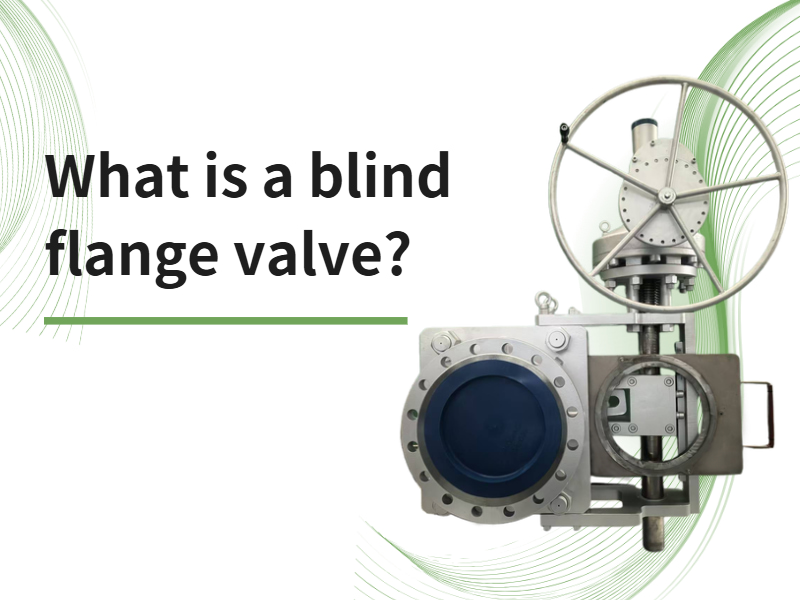
In industrial valve systems, a high-quality blind plate valve ensures safe and efficient operation of equipment. It is suitable for gas pipelines in metallurgy, chemical processing, petroleum, and municipal systems, serving as an effective device for positive gas isolation. Working Principle and Features The blind plate valve consists of left, center, and right valve bodies, a valve plate, shafts, a compensator, and two drive units (for clamping and travel respectively). The clamping mechanism uses a drive assembly to actuate a linkage system, enabling three lead screws to operate synchronously and press the valve bodies against the valve plate to achieve sealing. This design provides good synchronization and uniform sealing force distribution. Positioning rollers are installed along the outer lower edge of the valve plate to enhance sealing reliability and ensure overall stability and sealing accuracy during operation, thereby extending the service life of the valve. Valve Operating Sequence The clamping drive unit actuates the crank and linkage mechanism, causing the lead screws to rotate synchronously and retract the center body from the sealing surfaces (release condition). Guide wheels installed on the center body move laterally and simultaneously drive the valve plate. When the valve bodies are fully opened, the valve plate is positioned between the sealing faces of the left and right bodies, and the sealing surfaces are completely disengaged. The plate drive unit is then activated. Through a lever arm mechanism, the valve plate rotates, bringing the blind plate into the pipeline position. The clamping drive unit is started again to fully clamp the valve plate, completing valve closure. Valve Opening The clamping drive unit first fully releases the valve bodies. The turning drive unit then rotates the valve plate so that the through-port aligns with the pipeline. Finally, the clamping electric actuator presses the valve plate to complete the opening operation.
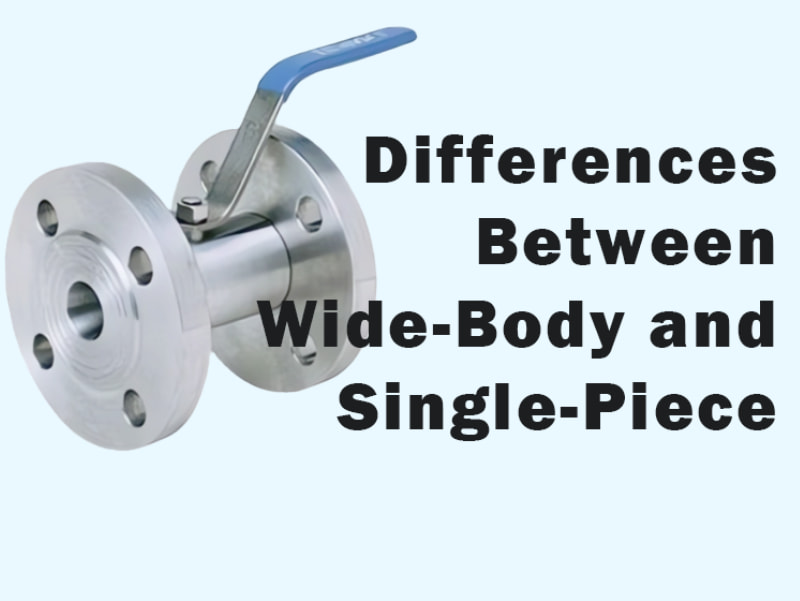
Wide-body ball valves and single-piece ball valves are both types of ball valves used for controlling the on/off flow of medium in pipelines. Both wide-body and single-piece ball valves feature a one-piece (integral) body design, unlike split-body designs. This differs from two-piece and three-piece ball valves, which have segmented valve bodies. For internally threaded wide-body ball valves, the valve body is made from round or hexagonal stock, using either bar material or forged components. The ball core features a reduced-diameter design and is inserted from one side of the valve body. The stem uses an internal anti-blowout structure. Flat surfaces are machined on both the inlet and outlet sides of the body to facilitate assembly of the ball valve and allow the use of wrenches during pipeline installation. In wide-body ball valves, the stem stuffing box is relatively shallow, and the internal packing volume is limited, resulting in a moderate sealing performance of the stem. Therefore, these valves are more suitable for low-pressure medium applications. In contrast, two-piece and three-piece ball valves feature stem stuffing box structures that provide reliable sealing for high-pressure medium applications. The structure of flanged wide-body ball valves is essentially the same as that of internally threaded wide-body ball valves. Typically, the flange is connected to the intermediate valve body via threaded fasteners, although some designs utilize a forged one-piece structure. Externally threaded wide-body ball valves can use a union-type structure, where the union is directly welded to the pipeline and connects to the external threads on the valve body. This design allows for easy disassembly and reassembly during valve maintenance or replacement without requiring separate unions on the pipeline. The valve bodies of single-piece internally threaded ball valves and single-piece flanged ball valves are manufactured using casting processes, with the ball core featuring a reduced-diameter design. The stem uses an internal anti-blowout structure. The inlet and outlet ends of single-piece internally threaded ball valves have a hexagonal shape, similar to conventional internally threaded valves, to facilitate wrench operation and secure installation. In single-piece flanged ball valves, the flange and valve body are cast as a single unit, eliminating the need to machine and assemble the flange separately as in wide-body flanged ball valves. This approach reduces cost and simplifies the manufacturing process. Single-piece wafer-style ball valves have a shorter valve body length, making them more suitable for pipelines with limited space. Wide-body and single-piece ball valves both use a reduced-diameter ball design, resulting in higher flow resistance compared with two-piece and three-piece ball valves. The main differences are as follows: Valve Body Manufacturing Process ● Wide-bo...
Payment:
30% T/T When Order, 70% T/T Before ShipmentProduct Origin:
ChinaColor:
CustomizationShipping Port:
Shanghai ChinaLead Time:
35~60 days Ex Works After Order ConfirmationMaterial:
Carbon Steel Globe Valve, Cast Steel Globe ValveMethod of Operation:
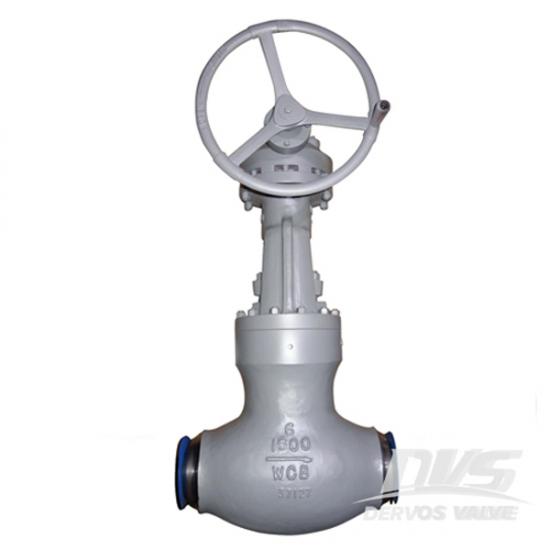
Gearbox Operation Globe ValveQuick Detail
|
Type |
Globe Valve |
|
Size |
6'' |
|
Design Pressure |
Class 1500 |
|
Construction |
Pressure Seal Bonnet, Plug Type Disc, Rising Stem |
|
Connection Type |
Butt Weld |
|
Operation Type |
Bevel Gearbox Opearted |
|
Design Code |
BS 1873 |
|
End to End |
ASME B16.10 |
|
Connection End |
ASME B16.25 |
|
Pressure & Temperature |
ASME B16.34 |
|
Test & Inspection Standard |
API 598 |
|
Body Material |
Cast Steel WCB |
|
Trim Material |
Trim NO. 5 |
|
Temperature Range |
-29℃~+425℃ |
|
Application |
WOG |
|
Origin |
China |
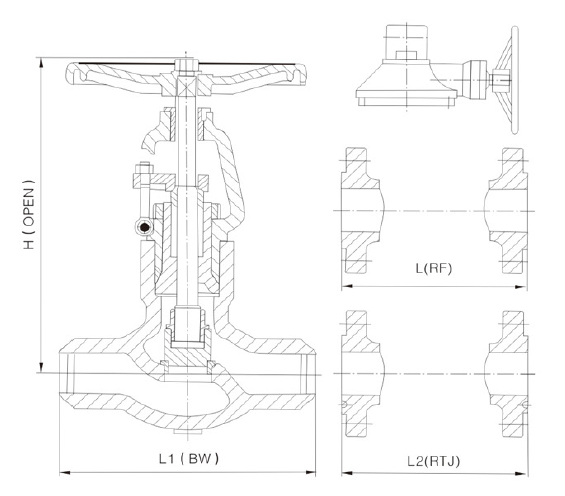
Material & Dimension
NPS
DN
Class
2
2 1/2
3
4
6
8
50
65
80
100
150
200
L(RF) L1(BW)
900LB
368
419
381
457
610
737
1500LB
368
419
470
546
705
832
2500LB
451
508
578
673
917
1022
L2(RTJ)
900LB
371
422
384
460
613
740
1500LB
371
422
473
549
711
841
2500LB
454
514
584
683
927
1038
H(Opne)
900LB
550
605
678
798
930
1230
1500LB
550
605
866
956
1260
1263
2500LB
560
720
755
1230
1791
2086
W
900LB
350
350
400
450
458
610*
1500LB
400
400
450
560
610*
610*
2500LB
400
450
560
310*
610*
760
Weight (RF)
900LB
78
108
102
142
400
960
1500LB
85
110
135
230
660
1590
2500LB
140
168
247
620
1500
3200
Weight (BW)
900LB
66
91
87
128
355
868
1500LB
77
101
122
209
595
1440
2500LB
100
118
180
438
1148
2594
*Manual gear
operator is recommended
No
Part Name
Carbon steel to
ASTM
Alloy
steel to ASTM
Stainless
steel to ASTM
WCB
WC6
WC9
C5
CF8
CF8M
CF3
CF3M
1
Body
A216 WCB
A217 WC6
A217 WC9
A217 C5
A351 CF8
A351 CF8M
A351 CF3
A351 CF3M
2
Seat Ring
A105
A182 F11
A182 F22
A182 F5
A182 F304
A182 F316
A182 F304L
A182 F316L
3
Disc
A105
A182 F11
A182 F22
A182 F5
A182 F304
A182 F316
A182 F304L
A182 F316L
4
Stem
A182 F6
A182 F304
A182 F304
A182 F316
A182 F304L
A182 F316L
5
Disc nut
A182 F6
A182 F304
A182 F304
A182 F316
A182 F304L
A182 F316L
6
Cap
SS Spiral Wound graphite or
SS Spiral Wound PTFE
7
Body Seal
Flexible Graphite+316
8
Adjustment Gasket
F6
F6
F316
9
Stem packing
Flexible Graphite+316
10
Gland Nut
A194 2H
A194 8
11
Gland Eyebolt
A193 B7
A193 B8
12
Pin
Carbon steel or Stainless
Steel
13
Cap Nut
Carbon steel or Stainless
Steel
14
Gland
A182 F6
A182 F304
A182 F316
A182 F304L
A182 F316L
15
Gland Flange
A216 WCB
A351 CF8
16
Yoke
A216 WCB
A351 CF8
17
Stem Nut
A439 D2 or B148-952A
18
Screw
Carbon steel
19
Handwheel
Ductile Iron or carbon
steel
20
Name Plate
Stainless steel or Aluminum
21
Washer
Carbon steel
22
Nut
Carbon steel or Stainless
Steel
Related Knowledge
Why do we use
pressure seal bonnet?
Pressure sealed
bonnet are often used for valves with high design pressure. The higher the
internal pressure gets, the greater the sealing force beween body and bonnet
become.
For bolted bonnet
valves, the body and bonnet are joined by studs and nuts with a gasket between
the flange faces to facilitate sealing. However,as system pressure
increases,the potential for leakage through the body and bonnet increases.
But for pressure sealed valve, “bonnet take-up bolts” to pull the bonnet up and seal against the pressure seal gasket. That is why when pressure increase, the performance of pressure seal gasket between body and bonnet becomes better.
If you are interested in our products and want to know more details,please leave a message here,we will reply you as soon as we can.
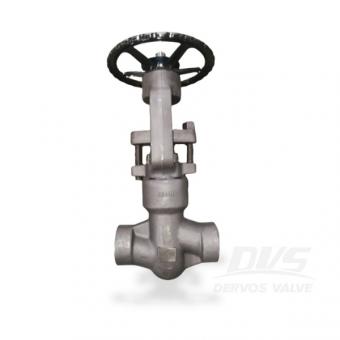
The 1 1/2inch 1500LBglobe valve,made of A105N are best suited for throttling application at high pressure and temperature.
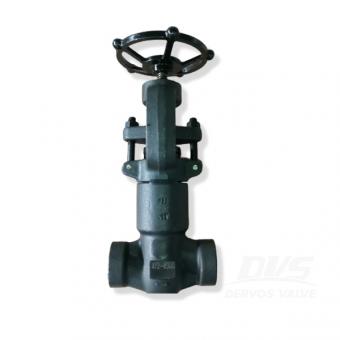
The 1 1/2inch 1500LB globe valve,made of one kind of alloy steel F22, is the best answer to working conditions under high pressure and temperature .

The 1 inch 800LB female threaded globe valve has plug disc, reduced port and manual handwheel operation. The valve is made of A105N body and trim 5 as per API 602. Quick Detail Type Globe Valve Size 1'' Pressure Class 800 Construction Bolted Bonnet, Reduced Port, Outside Scew & Yoke ConnectionType NPT Female Thread OperationType Handwheel Operated Design Code API 602 End to End Dimension ASME B16.10 Connection ASME B1.20.1 Pressure & Temp ASME B16.34 Test & Inspection API 598 Body Material Forged Steel A105 TrimMaterial 13CR+Stellite Temperature Range -29℃~+427℃ Application Water, Oil, Gas Origin China Product Range 1.Size up to 4 inch 2.Design pressure between 150LB to 2500LB 3.Connection: flange, socket weld, thread 4.Operation: handwheel, gearbox, bare stem, with actuators 5.Body material: carbon steel, stainless steel, alloy steel 6.Trim material: trim 1, 5, 8, 10, 12, 16 and ect. 7.Bolted bonnet, pressure sealed bonnet, welded bonnet, screwed bonnet 8.Reduced bore, full bore Inspection Reports Along with each order, Dervos will provide inspection reports and material test reports free of charge after shipment. All these certificates will let you have a clear picture of inspection process and results. Plus, these reports can be used for traceability.
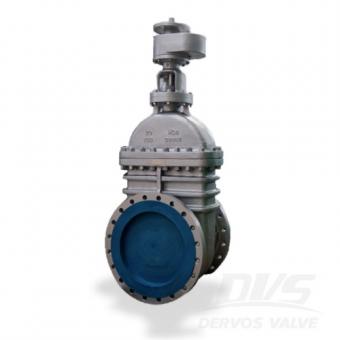
This butch of gate valves are ranged from 3 inches to 32 inches. With non-rising gate valves and solid wedge, which are not regularly found in such big sized valves, these gate valves are quite special and reliable.
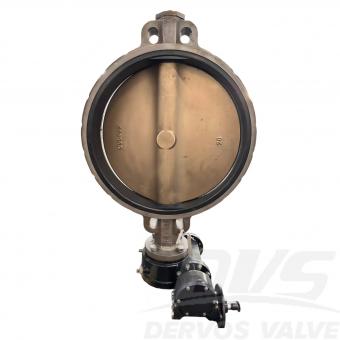
20" 150LB Wafer Butterfly Valve is made according to API609 standard. The valve body is made of A216 WCB. Its connection mode is FF. And it has Electric Actuator operation mode. Product Parameters Type Wafer Butterfly Valve Size 20” Pressure 150LB Connection FF Operation Electric Actuator Body Material A216 WCB Design Norm API609 Face To Face API609 End flange EN1092/ASME B16.5 Test & Inspection Code API 598 Temperature -10 ~ 110°C Applicable Medium Water, Oil and Gas Features 1.A216 WCB carbon steel body provides durability and reliable performance for large-diameter Class 150 pipelines. 2.Wafer-type butterfly design with FF flanges enables compact installation and smooth flow regulation. Technical Drawing Dimension Checking Painting Nameplate & Packing
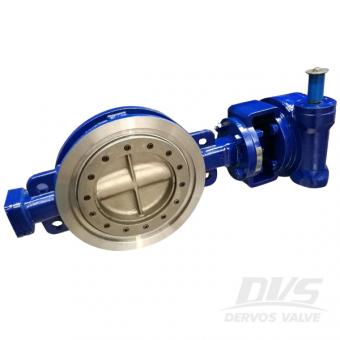
WCB 14inch 150LB Butterfly Valve Triple Eccentric Un-directional Seal Wafer Type Gear Handwheel Operation WCB Body WCB Disc F6a Stem PTFE Seal Ring 13Cr Overlay on Seat. Design and Manufacture API 609. Face to Face Dimension API 609. Flange and Dimension ASME B16.5. Test and Inspection API 598. Quick Detail Type Butterfly Valve Size 14” Pressure 150LB Construction Triple Eccentric Connection Wafer Operation Mode Gearbox Body Material A216 WCB Trim Material Ball/Stem F6a, Seat PTFE Design & Manufacture API 609 Pressure & Temp Code ASME B16.34 End to End ASME B16.10 End Connection ASME B16.5 Inspection API 598 Temperature Range -29℃~+200℃ Medium Oil, Water, Gas
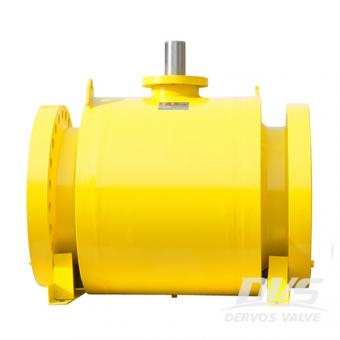
The 20 inch metal seated ball valve is designed for high temperature application or application with solid particulate. The valve has welded body, RF flange connection, bare stem for actuators, belonging to trunnion mounted type. Quick Detail Type Ball Valve Size 20" Pressure ANSI 600 Construction Trunnion Type, One-Piece Body, Fully Welded, Metal to Metal Seat Connection Flanged Operation Bare Stem Body Material Forged Steel ASTM A105 Design Standard API 6D Pressure & Temp ASME B16.34 Face to Face Dimension ASME B16.10 End Connection ASME B16.5 Inspection API 598 Temperature Range -29℃~+200℃ Media Oil, Water, Gas Dimension CLASS 600 DN mm 50 65 80 100 150 200 250 300 350 400 450 500 NPS in 2 2.5 3 4 6 8 10 12 14 16 18 20 L (RF) mm 292 330 356 432 559 660 787 838 889 991 1092 1194 in 11.5 13 14 17 22 26 31 33 35 39 43 47 L1 (BW) mm 292 330 358 432 22 660 787 838 889 991 1092 1194 in 11.5 13 14 17 559 26 31 33 35 39 43 47 L2 (RTJ) mm 295 333 359 435 562 664 791 841 892 994 1095 1200 in 11.63 13.13 14.13 17.13 22.13 26.13 31.13 33.13 35 39.5 43.1 47.3 H mm 153 165 195 213 272 342 495 580 630 725 800 850 in 6.02 6.5 7.68 8.39 10.7 13.5 19.5 22.85 24.8 28.5 31.5 33.5 Do(W) mm 600 850 1250 1300 1500 *350 *350 *600 *600 *800 *800 *800 in 23.62 33.46 49.25 51.22 59 13.8 13.8 23.6 23.6 31.5 31.5 31.5 RF(Kg) 38 56 66 122 217 350 660 820 830 1160 1420 1650 BW(Kg) 31 51 58 117 200 327 605 790 800 1030 1305 1505 *Worm Gear or Electric actuator operated Related Knowledge When to use metal seated ball valve? The seat of a metal seated ball valve is often stellite, stainless steel, or tungsten carbide instead of soft seat material like ptfe, peek, nylon, teflon, and devlon. These metal to metal seat ball valves are especially applicable for: -Media with high temperature -Media with solid particulate for high abrasion -Media with severe condition, like high erosion and corrosion -Media with high viscosity like heavy oil Our Main Product Range Dervos main products include ball valves, butterfly valves, check valves, gate valves, globe valves, and plug valves in different materials, sizes, standards and types as per clients’ requests.
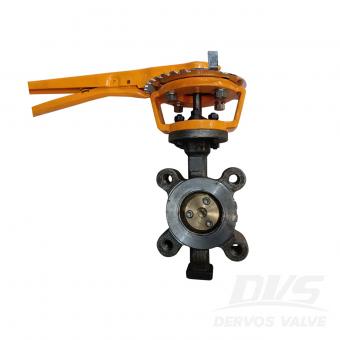
2-1/2" 150LB butterfly valve is made according to API 609 standard. The valve body is made of ASTM A216 WCB. It has the structural characteristics of double eccentric. Its connection mode is lug. And it has lever operation mode.
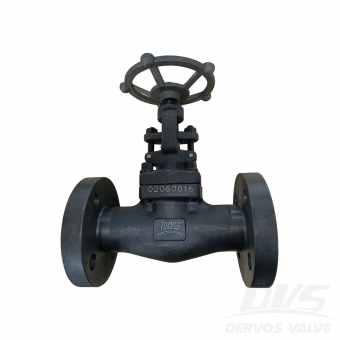
DN25 PN160 Forged Steel Globe Valve is made according to BS 5352 standard. The valve body is made of A105N+STL. It has the structural characteristic of bolt bonnet. Its connection mode is EN1092-1 D. And it has hand wheel operation mode.
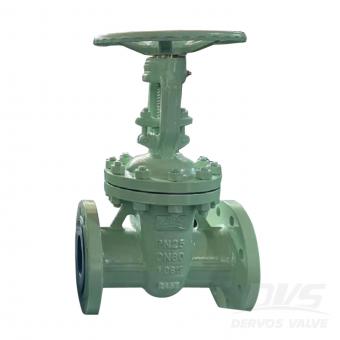
DN80 PN25 cast steel gate valve is made according to EN1984 standard. The valve body is made of 1.0619. It has the structural characteristics of bolt cover, OS&Y, and structural length of 280mm. Its connection mode is EN1092-1 B1. And it has hand wheel operation mode.
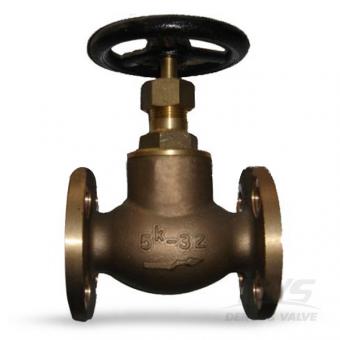
The DN32 JIS 5K globe valve is suitable for marine application. The bronze globe valve is handwheel operated with FF flange. Quick Detail Type Marine Globe Valve Size DN 32 Design Pressure 5K Connection Type FF Flange Design Code JIS F7301 Face to Face JIS B2002 Body Material Bronze Trim Material Bronze Application Water, Oil, Gas Purchasing System Late delivery time become a common issue in 2018. However, Dervos keep more than 90% on-time delivery, so how do we achieve that? It owns our purchasing department. How do we react to a delay crisis? -Visit the factory everyday and supervise on site -Initiate related resources, such as machining workshops and skilled workers to help on expediting production What benefits could we do for you by keeping on-time delivery? -Avoid penalty from end user -Accumulate reputation -Gain client’s trust FAQ 1. Do you have your own foundry or forge shop? No, but we have an approved list of foundries over the past decade of casting inspections, which can make sure that our castings are of good quality and all the raw materials are traceable. 2. Can you do NDE Capability radiography, MT, UT, LP? Of course, we can do all these tests upon our clients, but there will be additional charge to these tests. 3. What kind of test will you do for each order? After valve assembly, we will do hydraulic test for shell & sealing and air test. Plus, we will do dimension checking (face to face dimension, flange dimension) as per assembly drawing and standards.
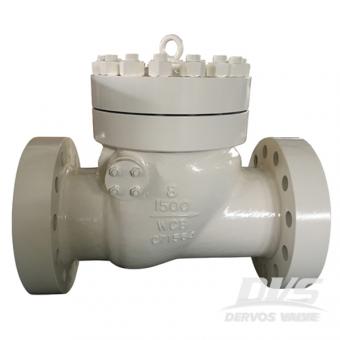
The 8 inch non return check valve conforms to BS 1868 design code, with bolted bonnet and swing type disc. The flanged check valve is made of carbon steel A216 WCB. Design Feature 1.BB: bolted bonnet 2.Swing type disc 3.Reduced bore design 4.Superior flow rates 5.Minimized friction loss 6.Standard trim material for selection 7.External or internal hinge pin available on request 8.Cylinder and counter weight available on request 9.Bare stem and actuators are available on request Quick Detail Type Check Valve Size 8'' Design Pressure ANSI 1500 Construction Bolted Bonnet, Swing Type Connection Raised Face Flange Design & Manufacture BS 1868 End to End ASME B16.10 Connection ASME B16.5 Pressure & Temp ASME B16.34 Test & Inspection API 598 Body Material Carbon Steel Applicable Temp -29℃~+400℃ Media W.O.G. Dimension Class 1500 NPS in 2 2 1/2 3 4 6 8 10 12 DN mm 50 65 80 100 150 200 250 300 L-L1 (RF-BW) in 14-1/2 16-1/2 18-1/2 21-1/2 27-3/4 32-3/4 39 44-1/2 mm 368 419 470 546 705 832 991 1130 L2 (RTJ) in 14-5/8 16-5/8 18-5/8 21-5/8 28 33-1/8 39-3/8 45-1/8 mm 371 422 473 549 700 841 1000 1146 H (OPEN) in 12-1/4 12-1/4 13 14 15-3/4 20-7/8 22-1/16 25-5/8 mm 310 310 330 355 400 530 560 650 WT (kg) RF 69 93 140 232 490 990 1490 1970 BW 49 74 111 185 375 803 1250 1625
Copyright © 2015-2026 DERVOS VALVE CO.,LTD.All Rights Reserved Blog / Sitemap / XML / Privacy Policy