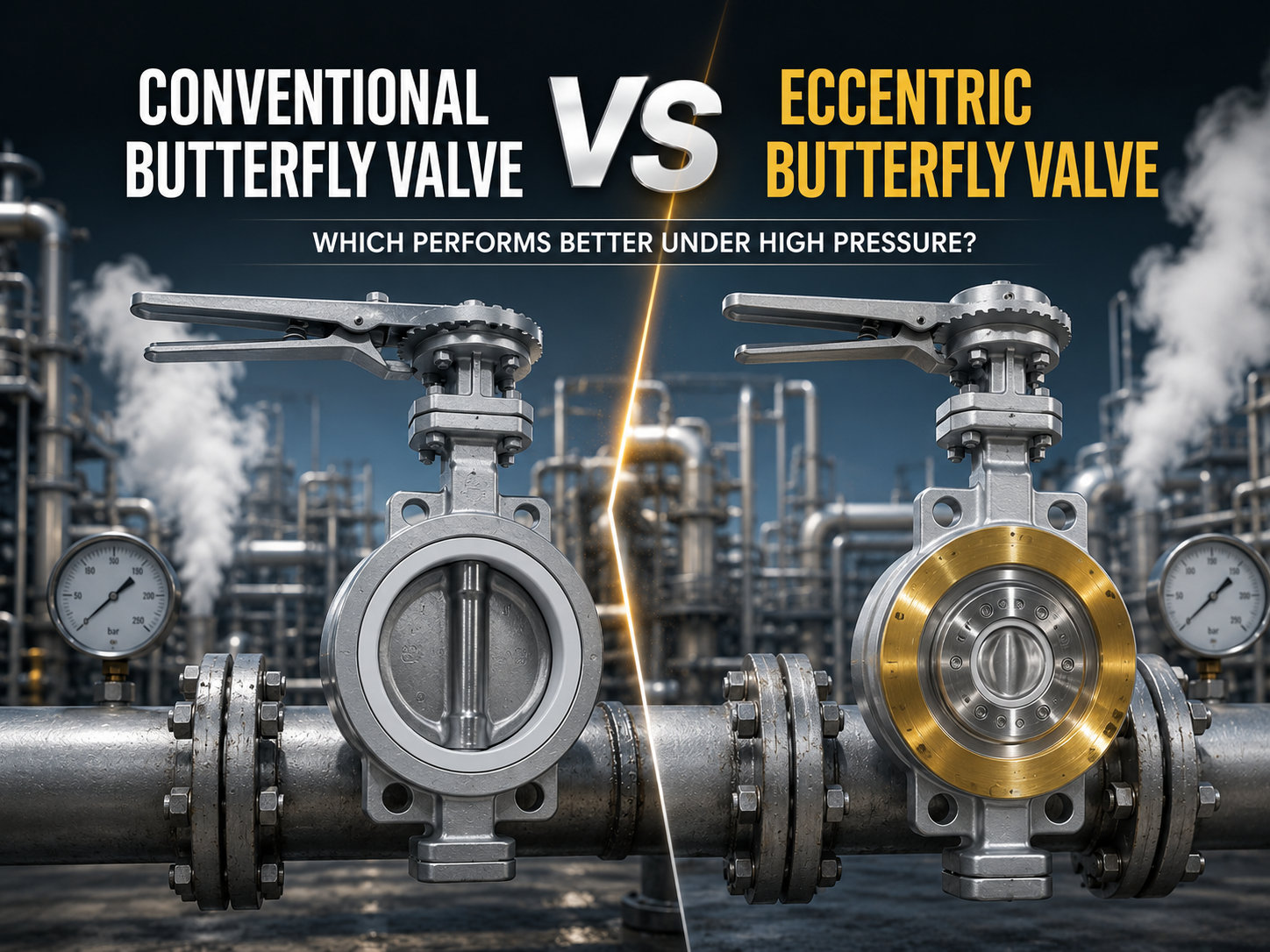
Butterfly valves are widely used in industrial piping systems, but pressure capability depends heavily on valve design and operating conditions. In many projects, engineers initially compare conventional butterfly valves and eccentric butterfly valves based on pressure class alone. In actual service, sealing reliability, temperature, cycling frequency, and media condition usually have a greater impact on long-term performance. A conventional butterfly valve uses a centered disc and stem arrangement. The disc stays in continuous contact with the seat during operation. This design is suitable for clean water systems, HVAC pipelines, cooling water service, and general utility applications where pressure and temperature remain relatively stable. Under higher pressure conditions, several limitations become more noticeable: ● seat wear increases because of continuous friction ● operating torque gradually rises ● leakage risk becomes higher after repeated cycling ● elastomer seats may deform under pressure fluctuation In saturated steam service, resilient-seated butterfly valves often experience early sealing problems when temperature exceeds the seat material limit. Even if pressure is technically acceptable, thermal aging can harden the seat and reduce shutoff reliability. Eccentric butterfly valves were developed to reduce these problems. Double-offset and triple-offset designs allow the disc to separate from the seat during most of the operating stroke. This reduces friction and lowers seat damage during repeated opening and closing. For high-pressure industrial systems, eccentric butterfly valves usually provide more stable sealing performance because the sealing surfaces experience less mechanical wear. Why Eccentric Butterfly Valves Handle High Pressure Better The biggest advantage of eccentric butterfly valves is not simply higher pressure rating. The main benefit is improved sealing stability under severe operating conditions. In refinery piping, power plant steam systems, and high-pressure hydrocarbon lines, triple-offset butterfly valves are commonly selected because metal seats tolerate temperature fluctuation more effectively than soft seats. This becomes important in conditions such as: ● saturated steam service ● thermal oil pipelines ● high-cycle automated isolation ● high differential pressure systems ● elevated temperature applications When pressure and temperature increase together, conventional butterfly valves often develop sealing instability faster than eccentric designs. Thermal expansion changes the contact pressure between the disc and seat, especially during repeated heating and cooling cycles. In abrasive slurry service, erosion also becomes a major concern. Conventional soft seats can wear rapidly when exposed to suspended so...
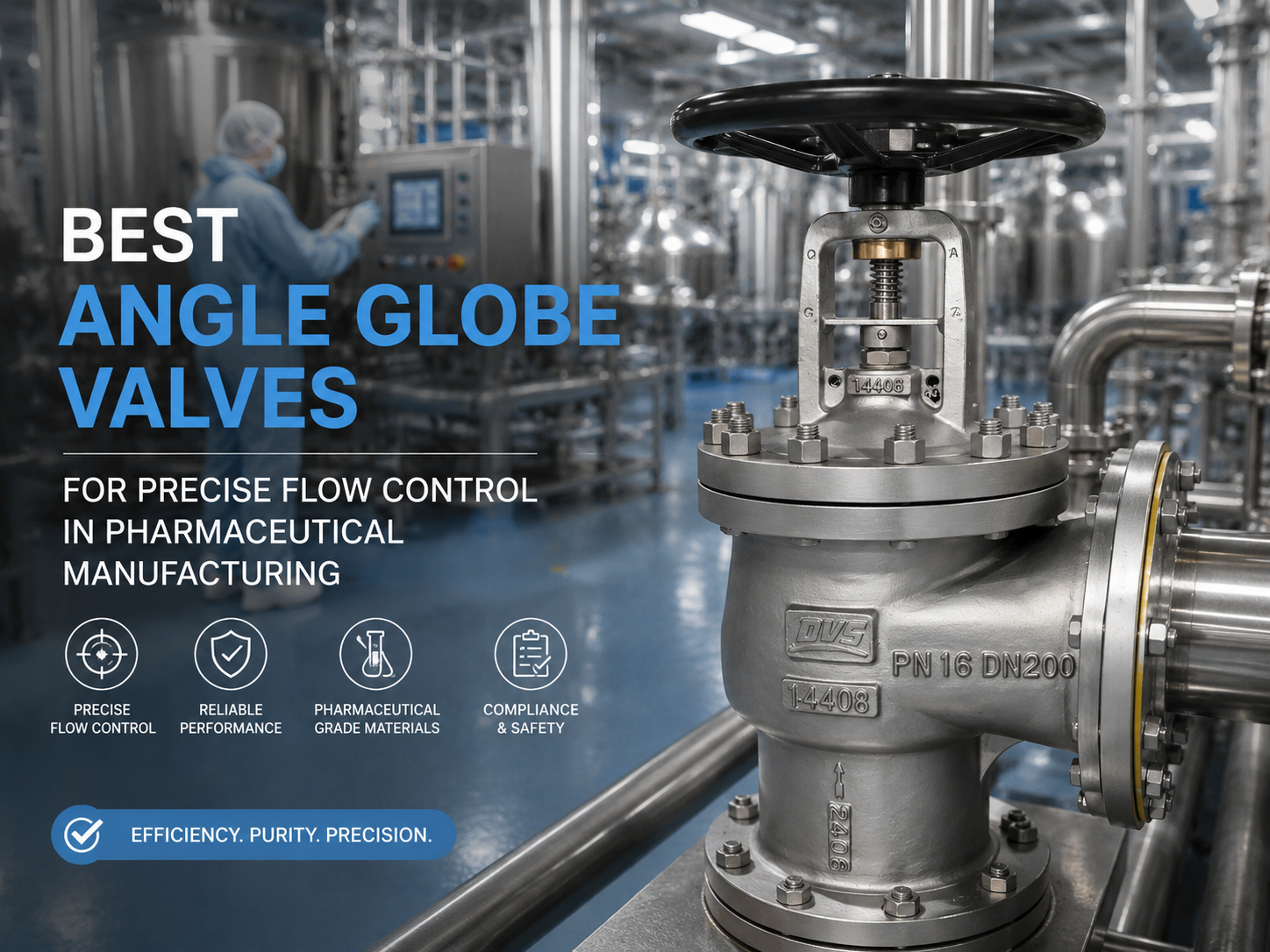
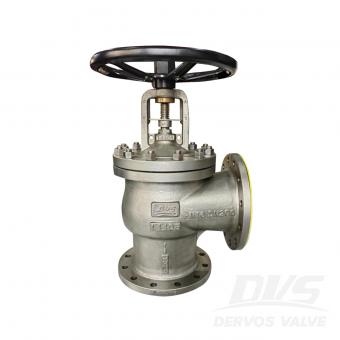
Introduction Precise media control is critical in pharmaceutical manufacturing, particularly in purified water systems, clean steam lines, CIP/SIP processes, and dosing applications where flow instability can affect batch consistency and validation results. In these environments, selecting the best angle globe valves for precise flow control in pharmaceutical manufacturing is not only a matter of throttling accuracy, but also material compliance, cleanability, and long-term sealing reliability. Unlike standard straight-pattern globe valves, angle globe valves reduce piping turns by combining directional change and flow regulation in a single body design. This configuration is commonly specified in skid-mounted pharmaceutical systems where compact layouts and drainability are required. Angle Globe Valve Overview An angle globe valve operates with a 90-degree body configuration, allowing the process media to change direction while passing through the valve seat area. The valve plug movement provides accurate throttling capability, making it suitable for low-flow adjustment and stable pressure reduction. In pharmaceutical plants, angle globe valves are often installed in: ● WFI (Water for Injection) circulation loops ● Clean steam distribution systems ● CIP return lines ● Bioprocess skids ● Sterile chemical dosing systems For sanitary applications, forged stainless steel bodies such as ASTM A182 F316L or CF3M are preferred due to corrosion resistance and low ferrite content. Electropolished internal surfaces and low Ra finishes are frequently specified to minimize bacterial retention. Where pressure containment is required, valve design standards such as American Petroleum Institute API 602 and ASME ASME B16.34 are commonly referenced for forged compact valves and pressure-temperature ratings. Key Selection Considerations for Pharmaceutical Angle Globe Valves Pressure Class and System Conditions Most pharmaceutical utility systems operate within Class 150 or Class 300 pressure ranges, although high-pressure clean steam systems may require Class 600 valves. The selected pressure class should consider: ● operating pressure ● steam cycling conditions ● thermal shock during SIP procedures ● actuator shutoff force Undersized pressure ratings can lead to seat deformation and stem leakage after repeated thermal cycling. Temperature Resistance Steam sterilization systems can exceed 180°C during SIP operations. Standard PTFE soft seats may deform under prolonged exposure, especially in throttling conditions. For elevated temperatures, engineers often specify: ● metal-seated trim ● reinforced PTFE ● PEEK seat materials ● bellows-sealed bonnet designs Bellows seals are particularly valuable in pharmaceutical proce...
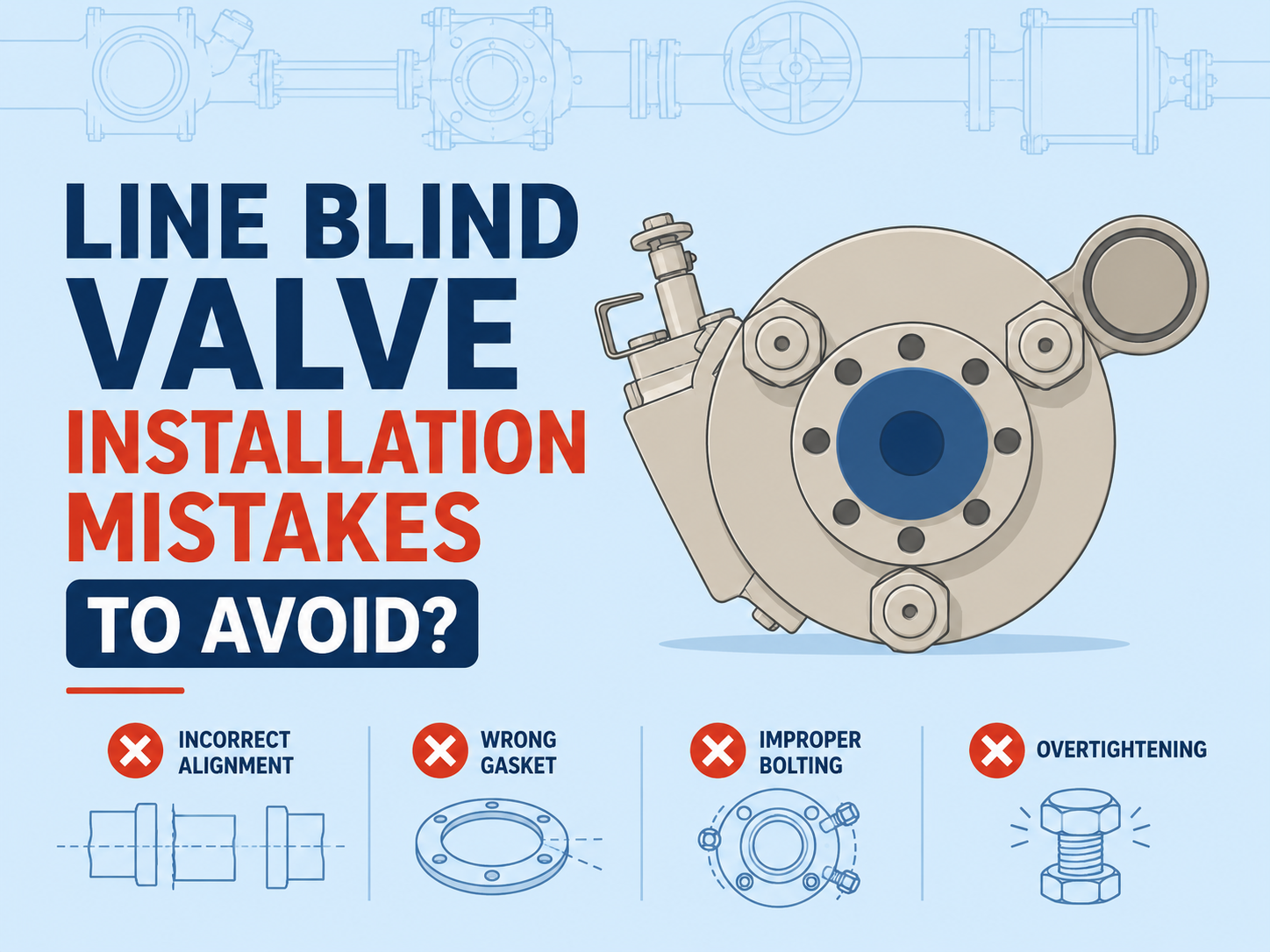
A Line Blind Valve(also referred to as a spade/blind plate isolation device) is a mechanical device used to achieve positive isolation in pipeline systems. It is widely applied in oil, gas, petrochemical, refining, and maintenance isolation systems. Its primary function is not flow regulation, but to ensure zero fluid passage during maintenance conditions. However, improper installation or operation can lead to leakage, seal failure, flange distortion, and even safety risks. The following sections summarize common installation mistakes based on engineering logic, along with their consequences. 1. Failure to Confirm Complete Depressurization Before Installation If residual pressure remains in the pipeline, inserting or switching the blind plate may cause mechanical impact or damage to sealing surfaces. If Line Blind Valve operation is performed without full depressurization, it may result in: ● Scoring or deformation of sealing faces ● Abnormally high operating torque ● Incomplete insertion of the blind plate ● In extreme cases, fluid release risk Therefore, the standard procedure requires: full depressurization, complete venting of residual media, and confirmation of zero-pressure conditions before isolation operation. 2. Installing Line Blind Valve with Poor Flange Alignment Line Blind Valve systems depend on accurate flange alignment. If flange misalignment or eccentricity exists: ● Uneven loading on the blind plate ● Localized sealing stress concentration ● Permanent leakage paths after operation ● Sticking or jamming of the operating mechanism If significant misalignment is present, the Line Blind Valve should not be forced into installation. Pipe supports or alignment conditions must be corrected first. 3. Neglecting Sealing Surface Cleanliness Line Blind Valve sealing performance typically relies on metal-to-metal sealing or soft sealing structures. If sealing surfaces contain: ● Weld slag ● Rust ● Debris or particles ● Residual gasket material Then effective sealing cannot be achieved even if the design torque is applied. From an engineering perspective: if the sealing surface is not clean, micro-leakage is inevitable. 4. Incorrect Orientation of the Blind Plate Some Line Blind Valve designs have specific flow direction or installation orientation requirements. If installed in the wrong direction: ● Incomplete insertion of the blind plate ● Incorrect sealing load direction ● Insufficient actuator travel ● Failure of mechanical locking Installation must strictly follow manufacturer markings (flow arrow or structural orientation), not field experience assumptions. 5. Improper Torque Control During Operation Line Blind Valve systems typically r...
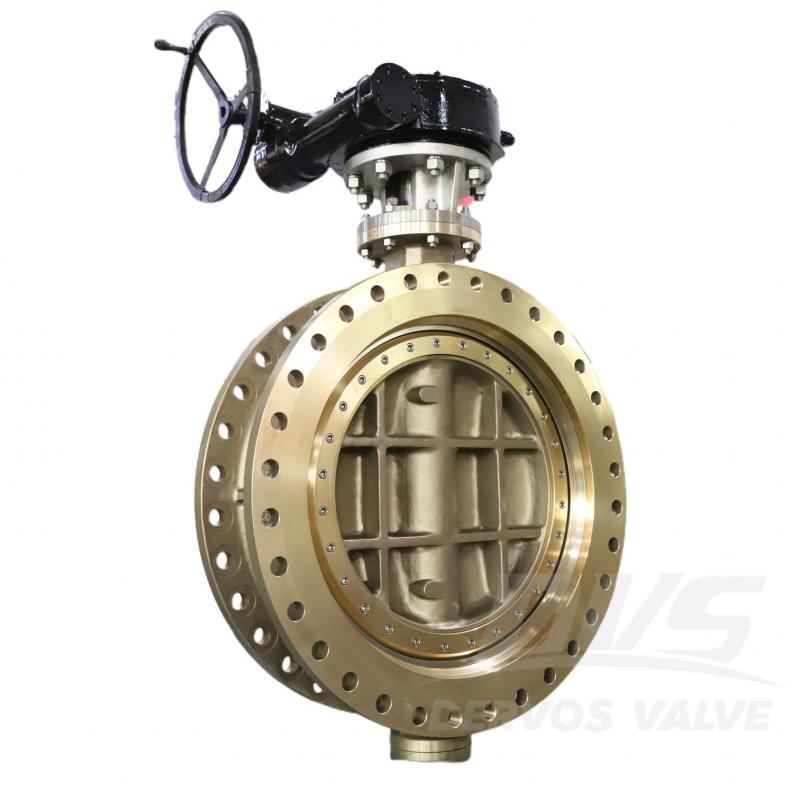
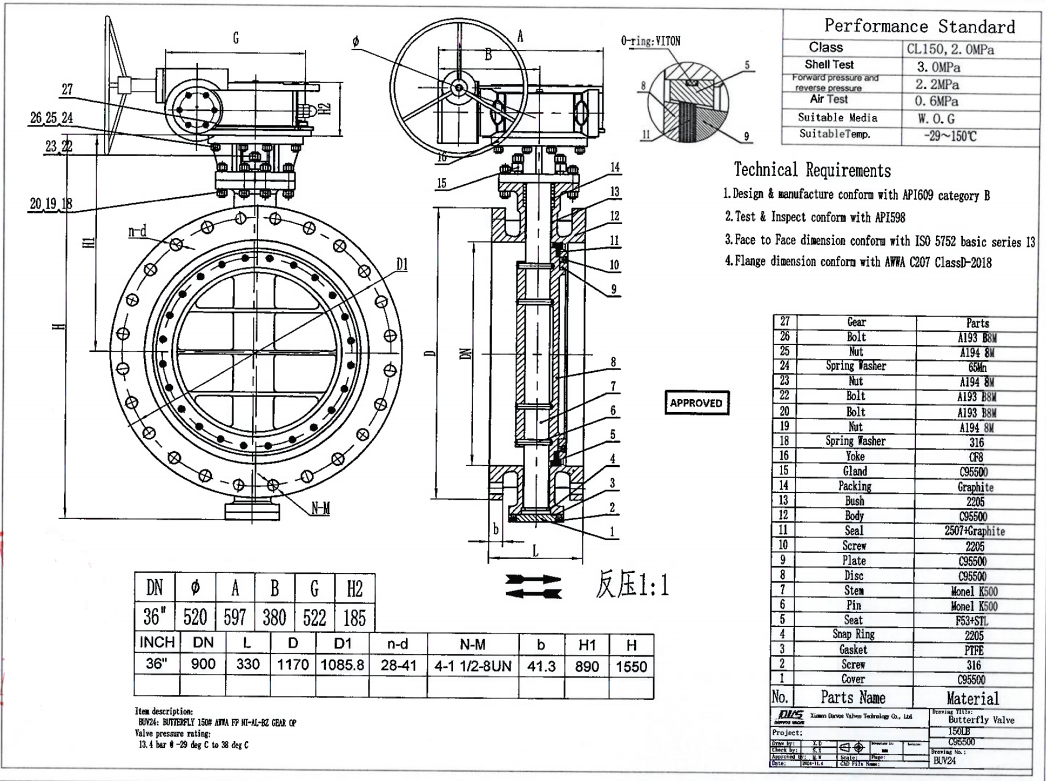
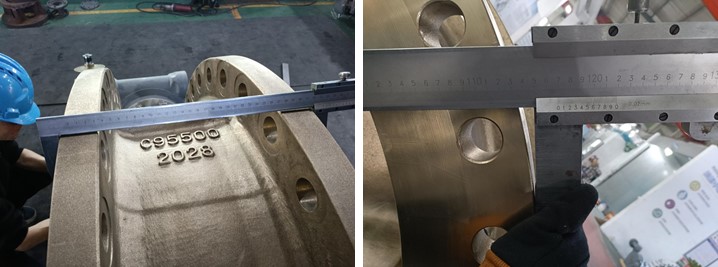
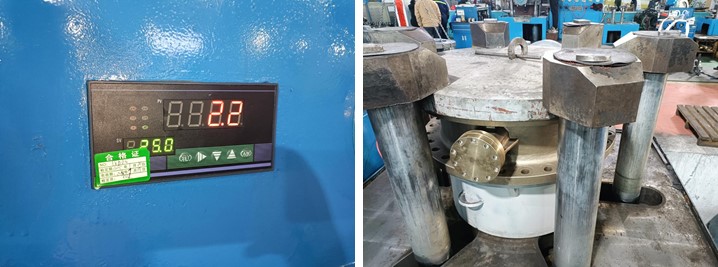
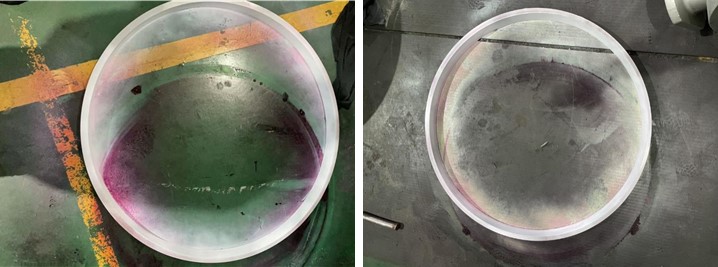
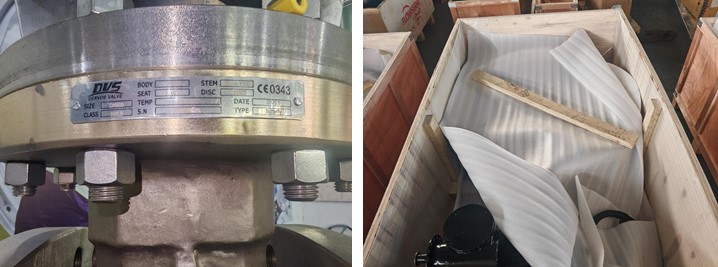
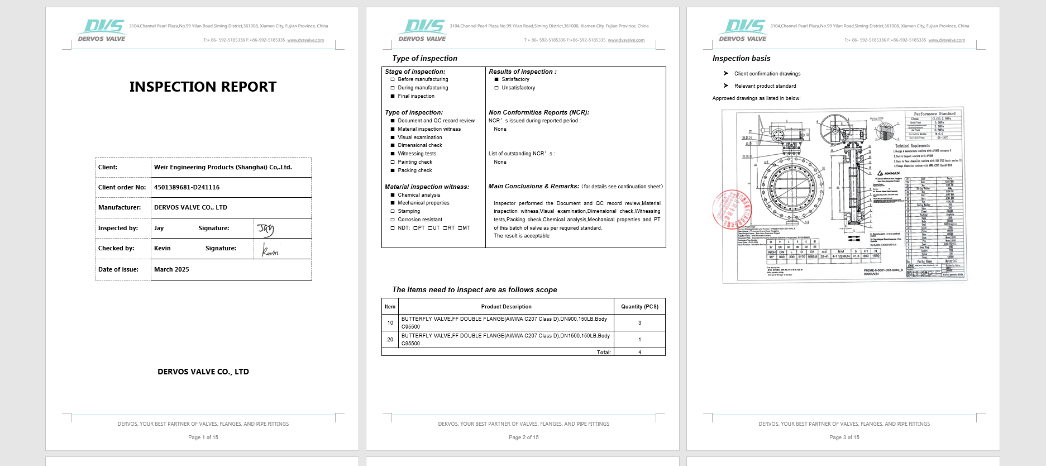
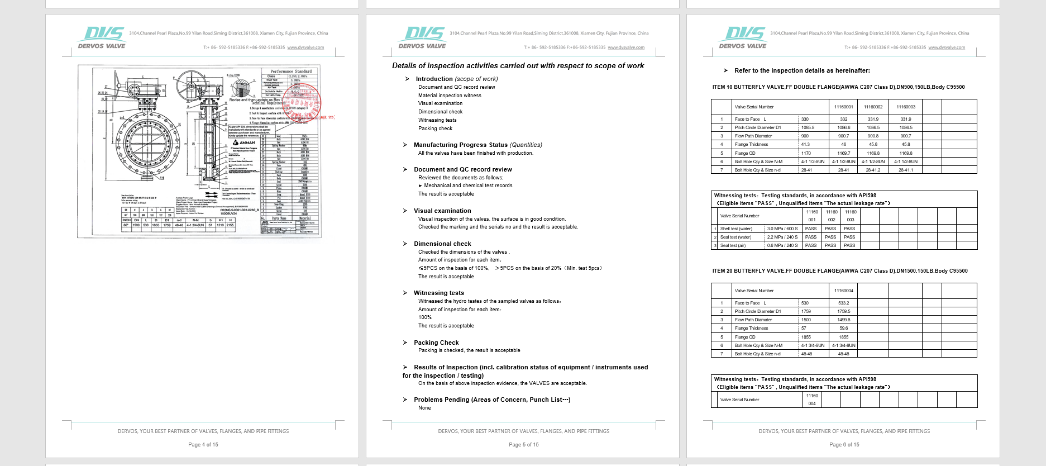
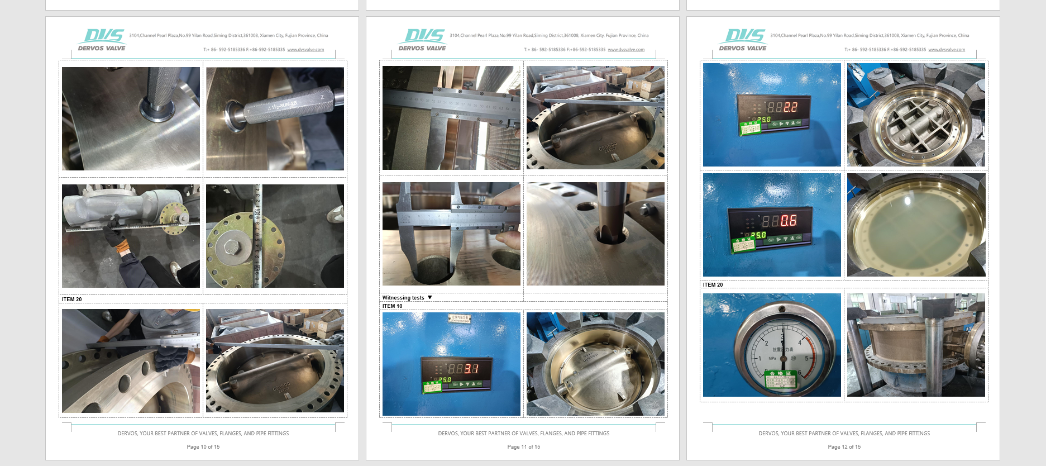
DN900 150LB Triple Offset Metal Seated Butterfly Valve is made according to API609 standard. The valve body is made of C95500. It has the structural characteristics of Triple offset, bidirectional equal pressure zero leakage. Its connection mode is FF double flange. And it has Turbine operation mode.
Payment:
30% when order confirmed, 70% before shipmentProduct Origin:
ChinaColor:
CustomizationShipping Port:
Shanghai, ChinaLead Time:
30~60 days Ex Works after order confirmationMaterial:
C95500Method of Operation:
H,W,|
Type |
Butterfly Valve |
|
Size |
DN900 |
|
Pressure |
150LB |
|
Connection |
FF double flange |
|
Operation |
Turbine |
|
Body Material |
C95500 nickel-aluminum bronze |
|
Design Norm |
API 609 |
|
Face to Face |
MFR STD |
|
Flange dimension |
AWWA C207 ClassD-2018 |
|
Test & Inspection Code |
API598 |
|
Temperature |
-29 ~ 150°C |
|
Applicable Medium |
Water, Oil and Gas |
1. The DN900 150LB C95500 Triple Offset Metal Seated Butterfly Valve offers high-performance sealing capabilities with its triple-offset design, ensuring minimal wear and long service life.
2. Made from C95500 aluminum bronze, this valve is highly resistant to corrosion and wear, making it ideal for demanding industrial applications.
If you are interested in our products and want to know more details,please leave a message here,we will reply you as soon as we can.
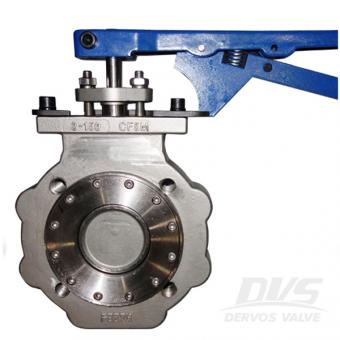
The double offset high performance butterfly valve, with lever operation and lug body, is designed per API 609. The CF8M body and PTFE seat butterfly valve is more durable in serving the application. Quick Detail Type Butterfly Valve Size 3'' Design Pressure 150LB Construction Double Eccnetric, Soft Seat Connection Type Lug Operation Wrench Operated Design Code API 609 Face to Face ASMEB16.10 End Connection ASMEB16.5 Test & Inspection API 598 Body Material Stainless Steel CF8M Temperature Range -29℃~+150℃ Application Water, Oil, Gas Dimension Class 150 DN mm 40 50 65 80 100 125 150 200 250 300 350 400 NPS in 1 1/2 2 2 1/2 3 4 5 6 8 10 12 14 16 L mm 127 127 127 127 152 203.2 203.2 203.2 203.2 in 5 5 5 5 6 8 8 8 8 L1 mm 38.1 46 50.8 48 54 63.5 57 63.5 71.5 81 92 101.5 in 1.5 1.81 2 1.88 2.13 2.5 2.25 2.5 2.81 3.19 3.62 4 H mm 185 190 220 229 239 252 284 307 337 392 435 481 in 7328 7.48 8.7 9 9.4 9.9 11.2 12 13.3 15.4 17.1 19 D(W) mm 160 160 160 160 160 160 160 200 200 250 250 300 in 6.3 6.3 6.3 6.3 6.3 6.3 6.3 7.9 7.9 9.8 9.8 11.8 Weight (Kg) mm 12.5 13.5 17 38 72 105 148 182 230 in 8 9 10 10 11 14.5 34.2 66 98 134 168 200 Related Knowledge What is a high performance butterfly valve? A high performance butterfly valve is often designed with double offset and PTFE seat, to handle everything from general applications to viscous and corrosive liquids; corrosive gases and steam. Compared to concentric resilient seat butterfly valve, the disc of the high performance butterfly valve is arranged and positioned off the center of the pipe bore, which could reduce wear and tear to the valve during operation and increase sealing performance. In conlusion, high performance butterfly valve is applicable for higher pressure and temperature applications. Meanwhile, it has longer cycle life and better sealing ability.
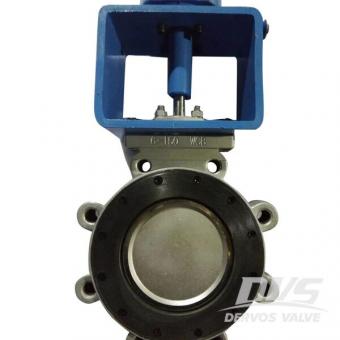
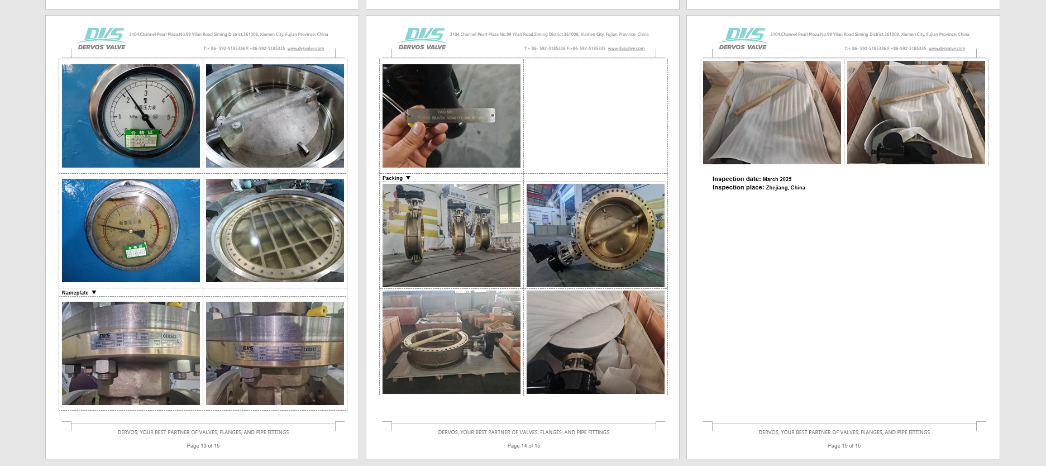
The high performance butterfly valve is designed with double eccentric or double offset structure. The valve has cast steel WCB body, stainless steel disc and stem along with RPTFE soft seat. Quick Detail Type Butterfly Valve Nominal Size 6 Inch Nominal Pressure Class 150 Structure Double Offset, Double Eccentric, Soft Seat Connection Type Lug Type Operation Gear Operated Design Code API 609 Face to Face ASME B16.10 End Connection ASME 16.5 Test & Inspection API 598 Body Material Cast Steel WCB Trim Material CF8M Disc, 17-4PH Stem, RPTFE Seat Application Water, Oil, Gas Dervos Inspection Report
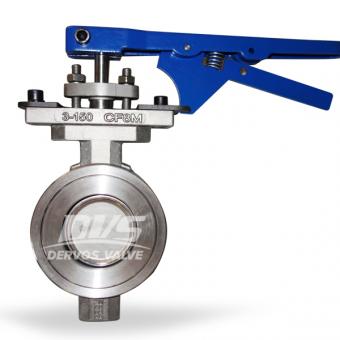
The 3 inch 150LB butterfly valve has a double-offset disc design that allows the disc to move off the seat reducing running torque and seat wear. The Wafer type valve can be driven by a gearbox and handwheel or by electric, pneumatic or hydraulic actuator.
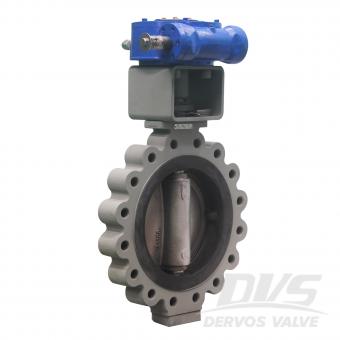
12" 300LB butterfly valve is made according to API 609 standard. The valve body is made of WCB. It has the structural characteristics of high performance and double eccentric. Its operation is turbine operation and packing is graphite.
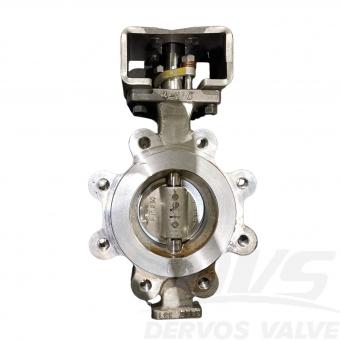
4” 150LB Butterfly Valve is made according to API609 standard. Its connection mode is RF. Product Parameters Type Lug Butterfly Valve Size 4” Pressure 150LB Connection RF Body Material ASTM A352 LCC Design Norm API 609 Face to Face API 609 Flange dimension ASME B16.5 Test & Inspection Code API 598 Temperature -40~ 120°C Applicable Medium Water,Steam,Oil etc Features 1.Lug-style design allows easy installation between flanges and supports downstream piping during maintenance. 2.Constructed from LCC carbon steel, rated 150LB with RF flange, and compliant with API 609 for reliable sealing and durability. Technical Drawing Dimension Checking Pressure Testing Spectrum Inspection Report
Copyright © 2015-2026 DERVOS VALVE CO.,LTD.All Rights Reserved Blog / Sitemap / XML / Privacy Policy