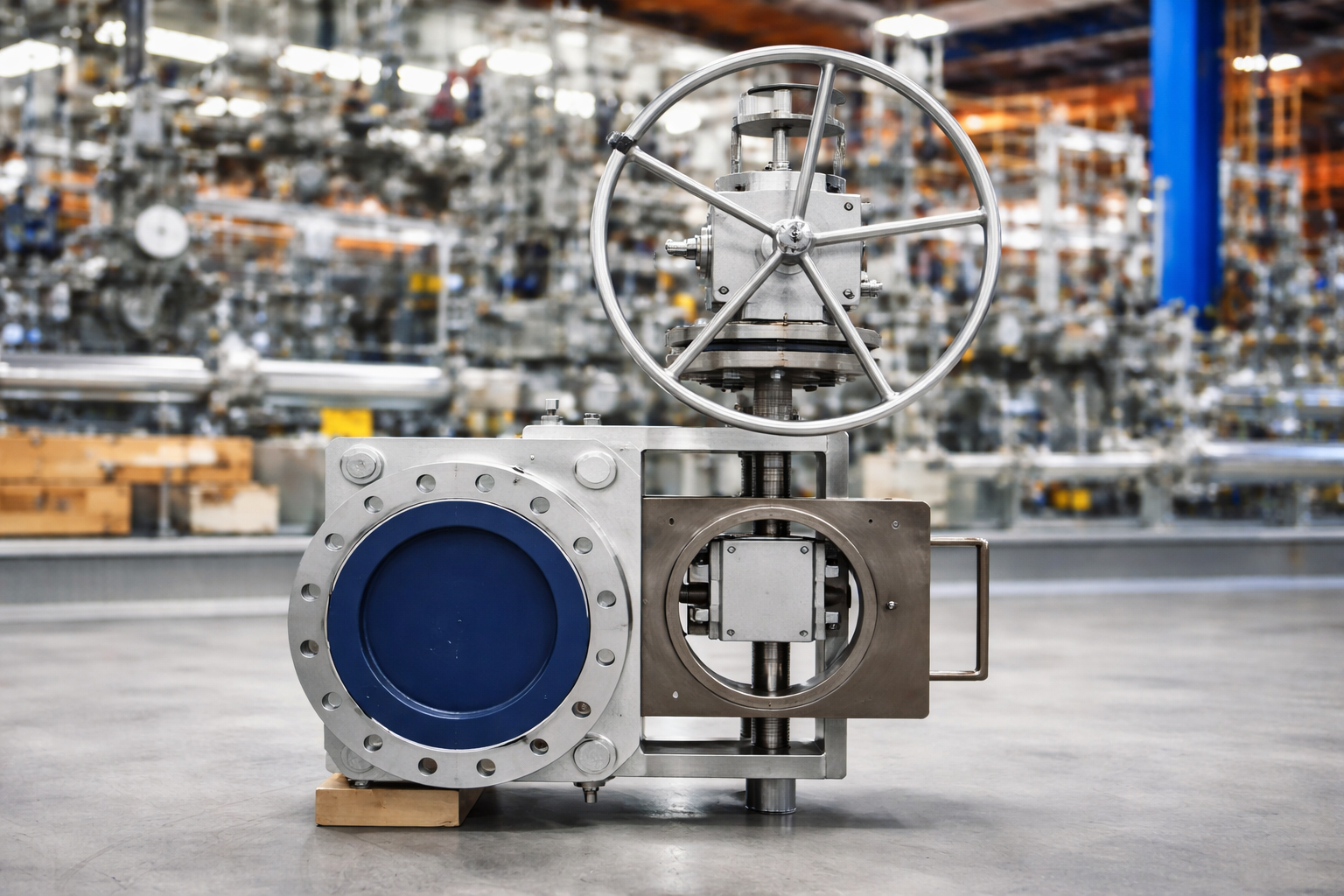
Gate valves and blind valves are both used for pipeline isolation, but they operate on fundamentally different principles.In industrial piping systems, if the objective is true physical isolation (positive isolation), then a blind valve (Blind Valve / Line Blind Valve) is generally more reliable than conventional valves. Instead of relying on seat sealing, it isolates the medium through a solid blind plate, which defines both its application scope and engineering value. The key features of a blind valve can be understood from an engineering perspective as follows: 1. Absolute Physical Isolation If zero leakage is required, then conventional valves (such as gate valves or ball valves) introduce risk, as their performance depends on sealing integrity. Blind valves follow a different logic: ▶ If a solid plate is inserted, then the flow is completely blocked▶ If the blind plate is correctly positioned, then sealing failure is no longer a concern This makes blind valves more suitable for: ● Oil & gas pipeline isolation ● Flammable media (petroleum, LNG, chemicals) ● High temperature steam systems Engineering conclusion:If the project requires verifiable isolation, then a blind valve should be prioritized over sealing-dependent industrial valves. 2. Inline Operation Capability Traditional spade and spacer blinds typically require flange disassembly, which increases operational complexity and introduces safety risks. Blind valves (such as sliding blind valves and swing blind valves) are designed with a different approach: ▶ If frequent switching between operation and maintenance is required, then manual intervention must be minimized▶ If shutdown is not permitted, then switching must be performed under pressurized pipeline conditions (subject to specific design) Therefore: ● Sliding Blind Valve: suitable for limited space and higher automation requirements ● Swing Blind Valve: simple structure, suitable for medium to low switching frequency ● Spectacle Blind Valve: suitable for low-frequency operation and cost-sensitive projects Engineering conclusion:If maintenance is frequent or shutdown is not feasible, then a blind valve with inline operation capability should be prioritized. 3. Mechanical Reliability The reliability of a blind valve does not depend on complex sealing systems, but on: ● Mechanical structural stability ● Material strength (such as A105, WCB, F22, LF2) ● Actuation method (manual, gear-operated, or hydraulic) ▶ If the service conditions involve high temperature, high pressure, or corrosive media, then sealing-based valves are more prone to failure▶ If...
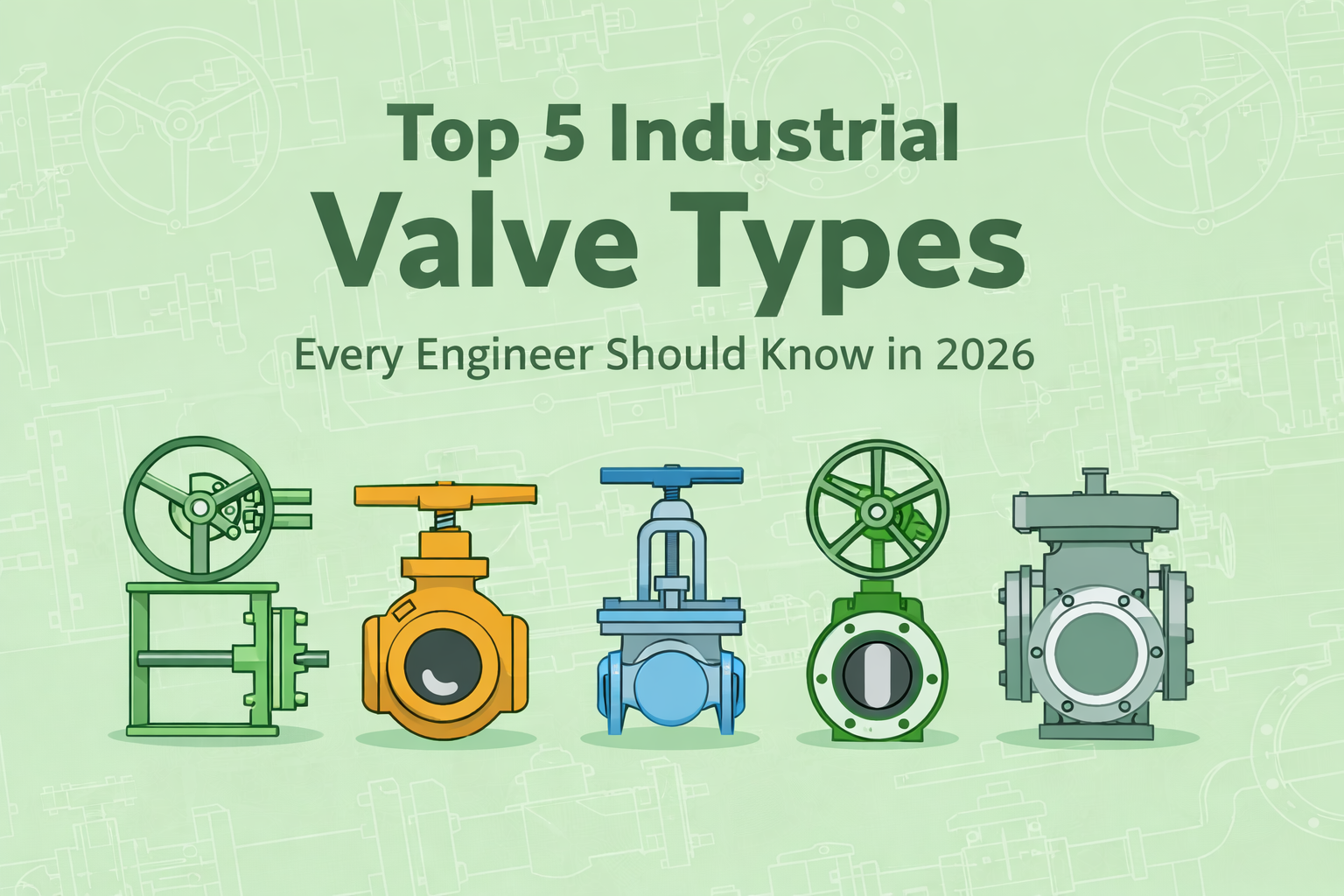
Choosing the right industrial valve type is one of the most critical decisions in system design. A poor selection—even when using high-quality valves—can lead to leakage, pressure loss, vibration, frequent maintenance, and long-term operational inefficiency. This guide covers the main industrial valve types, their applications, advantages, and limitations, along with practical insights to help you make the right valve selection for your project in 2026. What Are Industrial Valve Types? Industrial valve types refer to different valve designs used to control, regulate, or isolate fluid flow in piping systems. Each type is engineered for a specific function—such as shut-off, throttling, or backflow prevention—and selecting the correct type is essential for system safety and efficiency. 5 Main Industrial Valve Types and Their Applications 1. Ball Valve Best for: Quick shut-off and low pressure drop Ball valves use a rotating ball with a straight-through bore. When fully open, they provide minimal resistance, making them one of the most efficient options for fluid transmission. Common applications: ● Oil and gas pipelines ● High-pressure systems ● Frequent on/off operations Selection notes: ● Full-port designs minimize energy loss ● Metal-seated ball valves perform better in abrasive or high-cycle conditions Avoid if:Precise flow control is required. Throttling with a ball valve can damage sealing surfaces over time. 2. Gate Valve Best for: Isolation service with minimal flow resistance Gate valves operate by lifting a gate out of the flow path. They are widely used in large-diameter pipelines where full open or full close operation is required. Common applications: ● Long-distance transmission pipelines ● Water treatment systems ● High-temperature steam lines Selection notes: ● Near-zero pressure drop when fully open ● Wedge gate valves provide better sealing in high-temperature conditions Avoid if:Frequent operation or throttling is required. Gate valves are not designed for repeated cycling. 3. Globe Valve Best for: Precise flow regulation Globe valves force fluid through a controlled flow path, allowing accurate throttling and stable flow control. Common applications: ● Steam systems ● High-temperature processes ● Flow regulation applications Selection notes: ● Excellent throttling performance ● Stable operation under fluctuating flow conditions Avoid if:Pressure drop must be minimized. Globe valves inherently create higher flow resistance. 4. Check Valve Best for: Automatic backflow prevention Check valves operate automatically based on flow directi...

Recently, Dervos Valve helped a client in Hungary overcome a common challenge in industrial steam systems: how to safely isolate high-temperature pipelines without leakage or downtime. Operating with saturated steam at around 250°C and exposed to temperatures as low as -39°C, the client’s system demanded a solution that was both robust and reliable. Traditional valves often failed to maintain a tight seal under such conditions, and conventional isolation methods required depressurizing the line, increasing downtime and operational risk. To address these challenges, Dervos supplied a DN400 PN40 sliding line blind valve, engineered specifically for the project’s harsh conditions. The valve’s sliding blind mechanism allows operators to switch between flow and isolation positions without depressurizing the system, enhancing safety and efficiency during maintenance. Built with forged 20GML steel and a metal-to-metal stainless steel sealing structure, the valve delivers reliable performance under both high-temperature steam and extreme outdoor climates. Its full-bore design minimizes flow resistance, while the worm gear manual actuator ensures smooth and controlled operation even at large sizes and high pressure ratings. Safety features such as anti-misoperation devices and protective blind plate structures further reduce the risk of errors during handling. Since installation, the valve has enabled leak-free operation, safer maintenance procedures, and stable performance in extreme temperatures. Designed for a service life exceeding 30 years, it provides a long-term, low-maintenance solution, giving the client confidence in their steam system’s reliability and safety. This project highlights how a carefully engineered sliding line blind valve can solve critical isolation challenges in high-temperature steam applications, combining operational safety, durability, and efficiency in one solution.
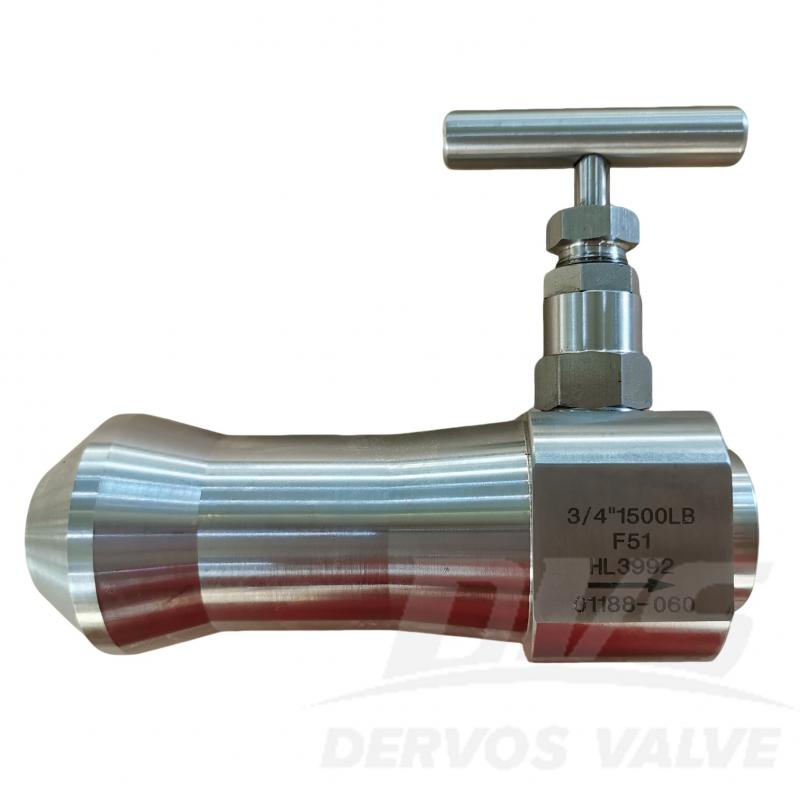
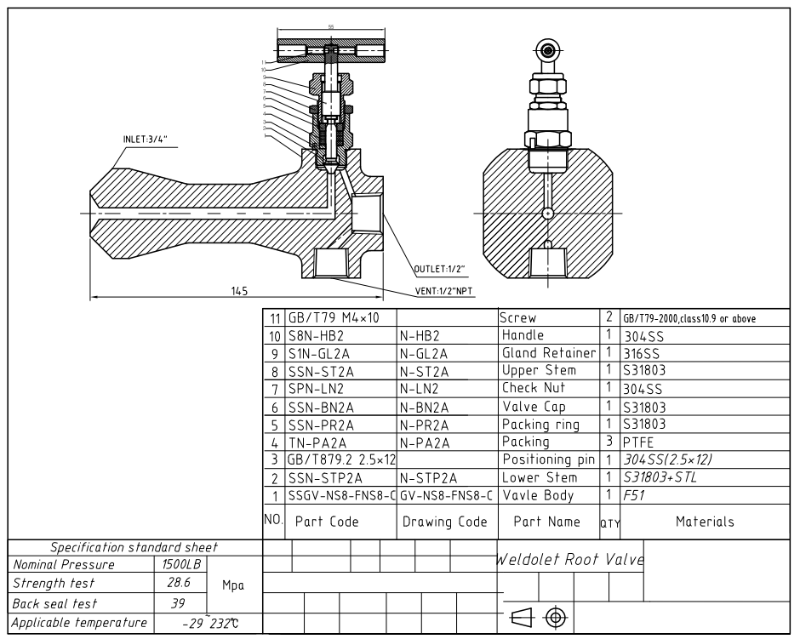
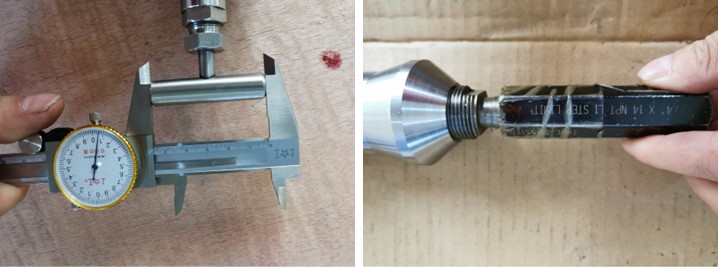
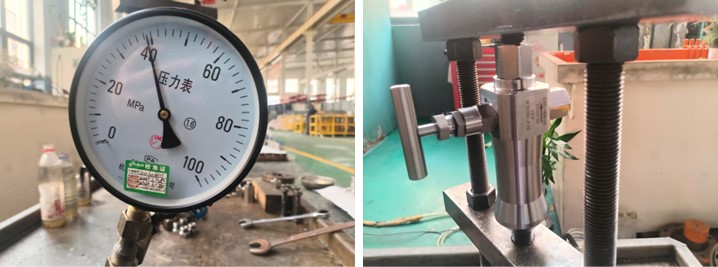
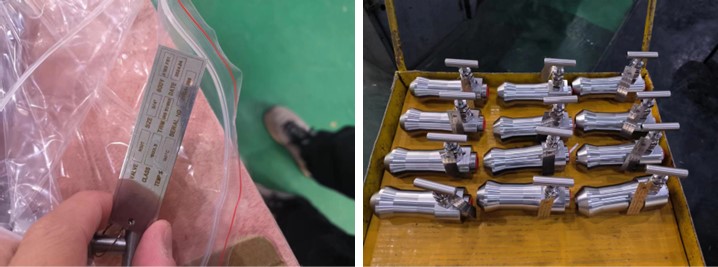
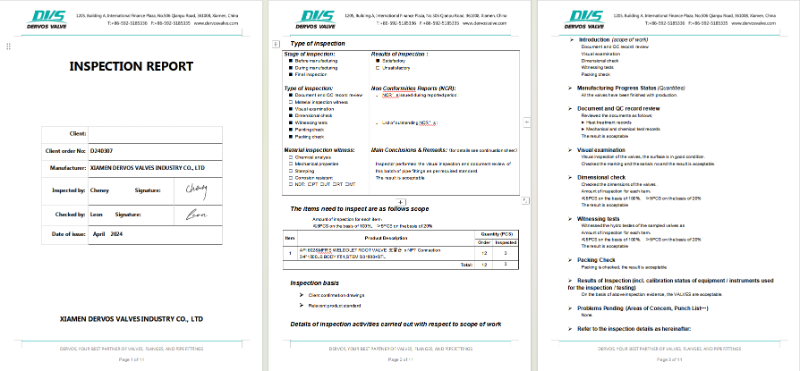
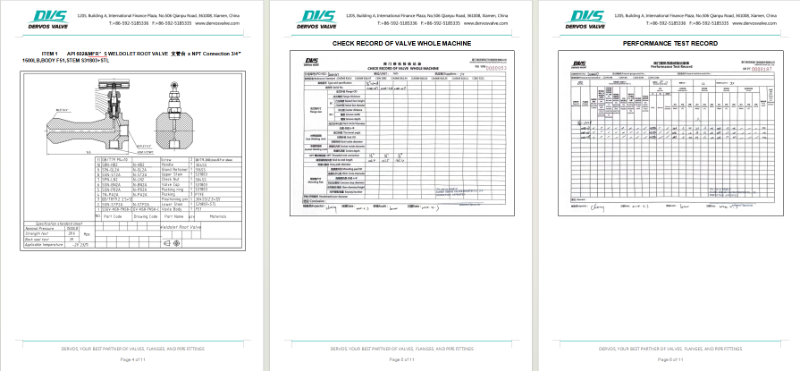
3/4”1500LB Weldolet Root Valve is made according to API602 standard. The valve body is made of A182 F51. The valve features an inlet branch connection sized 3" × 3/4", an outlet with 1/2" NPTF threads, and a 1/2" NPT drain outlet for easy system drainage. Its connection mode is Branch Connection, X NPT.
Payment:
30% when order confirmed, 70% before shipmentProduct Origin:
chinaColor:
CustomizationShipping Port:
Shanghai, ChinaLead Time:
30~60 days Ex Works after order confirmationMaterial:
A182 F51Method of Operation:
Branch
|
Type |
Weldolet Root Valve |
|
Size |
3/4” |
|
Pressure |
1500LB |
|
Connection |
Branch Connection, X NPT |
|
Body Material |
A182 F51 |
|
Design Norm |
API602 |
|
Temperature |
-29 ~ 232°C |
|
Applicable Medium |
Water, Oil and Gas |
1.Constructed from A182 F51 forged steel, this 3/4” Weldolet root valve provides exceptional corrosion resistance and high-pressure durability up to 1500LB.
2.Designed according to API 602 standards, it ensures reliable flow control and secure socket-weld installation in industrial piping systems.
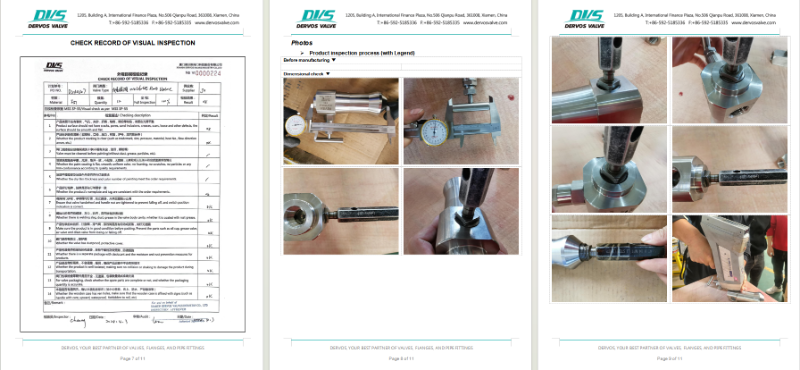
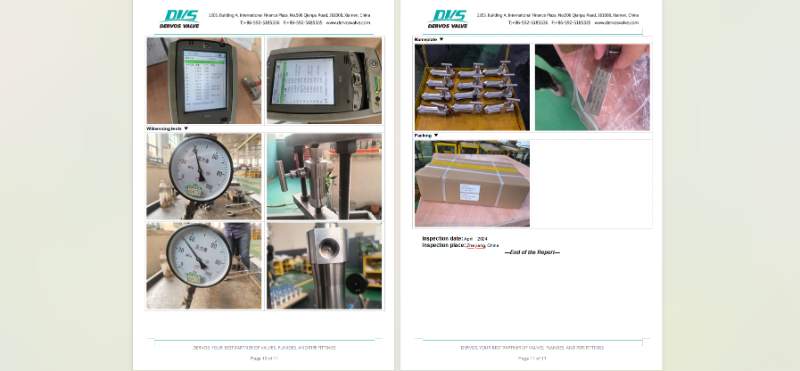
If you are interested in our products and want to know more details,please leave a message here,we will reply you as soon as we can.
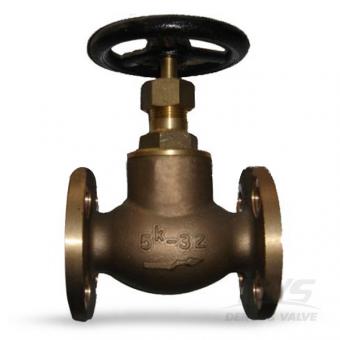
The DN32 JIS 5K globe valve is suitable for marine application. The bronze globe valve is handwheel operated with FF flange. Quick Detail Type Marine Globe Valve Size DN 32 Design Pressure 5K Connection Type FF Flange Design Code JIS F7301 Face to Face JIS B2002 Body Material Bronze Trim Material Bronze Application Water, Oil, Gas Purchasing System Late delivery time become a common issue in 2018. However, Dervos keep more than 90% on-time delivery, so how do we achieve that? It owns our purchasing department. How do we react to a delay crisis? -Visit the factory everyday and supervise on site -Initiate related resources, such as machining workshops and skilled workers to help on expediting production What benefits could we do for you by keeping on-time delivery? -Avoid penalty from end user -Accumulate reputation -Gain client’s trust FAQ 1. Do you have your own foundry or forge shop? No, but we have an approved list of foundries over the past decade of casting inspections, which can make sure that our castings are of good quality and all the raw materials are traceable. 2. Can you do NDE Capability radiography, MT, UT, LP? Of course, we can do all these tests upon our clients, but there will be additional charge to these tests. 3. What kind of test will you do for each order? After valve assembly, we will do hydraulic test for shell & sealing and air test. Plus, we will do dimension checking (face to face dimension, flange dimension) as per assembly drawing and standards.
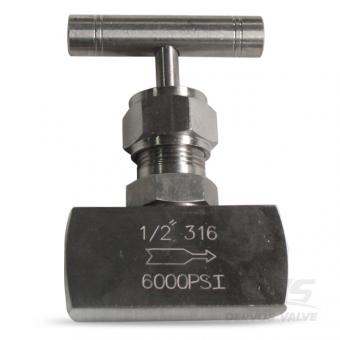
The 6000 psi high pressure needle valve is made of stainless steel F316 according to ASME B16.34. The 1/2 inch NPT needle is used for regulating the flow of fluid and suitable for application with high pressure and small flow. Quick Detail Type Needle Valve Size 0.5 Inch DesignPressure 6000 PSI ConnectionType Female Thread FNPT Design Code ASME B16.34 End Connection ASME B1.20.1 Face to Face ASME B16.10 Test & Inspection API 598 Body Material SS316 TrimMaterial SS316 Application Water, Oil, Gas Why choose Dervos as your partner?One Stop ServiceHere in Dervos, we can provide you with one stop service by our complete product list, it means, you don’t need to search for various suppliers for different types of valves, and it will surely save your time and energy. All you need to do is choose Dervos and we will provide complete solutions to you. On Time DeliveryDervos keeps a high percentage of on time delivery. Why could we achieve that? Our purchasing team follows the order very closely. Plus, our QC and sales person will also do monitoring job on each order.Strict Quality Control All the members in the QC team are very experienced and professional. For each order, they will check the raw material, manufacturing process, do the pressure testing on shell and seal, and check the valve dimension per assembly drawing. Lastly, they will inspect the painting and packaging.
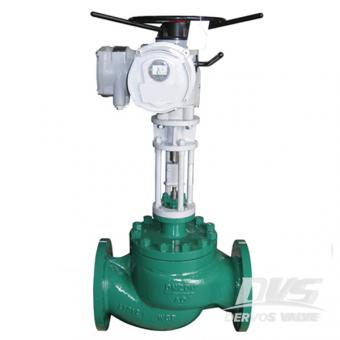
The electric control valve is made of carbon steel WCB designed for precise flow control and regulating. Dervos have many suppliers of different control valve types. Quick Detail Type Globe Control Valve Size DN 200 DesignPressure PN 40 ConnectionType RF Flange Design Code ASME B16.34 End Connection ASME B16.5 Face to Face ASME B16.10 Test & Inspection API 598 Body Material A216 WCB TrimMaterial Stainless Steel Application Water, Oil, Gas Company Profile Founded in 2008, DERVOS VALVES INDUSTRY CO., LTD is a professional vendor, exporter and supplier of industrial valves, pipes and fittings. Dervos has expanded its business to five continents around the world, including Europe, Oceania, Africa, America and Asia. Our commitment is to find the most suitable products for our clients in an efficient way. We adopt modern management skills to make sure efficiency in production and selling system. How we handle complaints When complaints come, how do we handle them? We will reply within 24 hours and ask more proof from clients. Then we discuss with QC and factories to identify the reason. In the third day, we will provide a solution to clients.
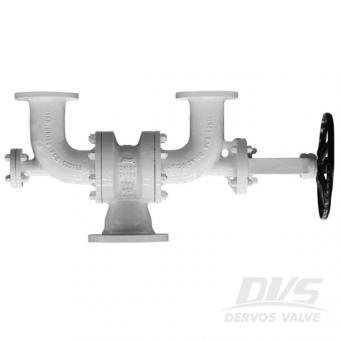
The changeover valve is combined by two valves that are different from nominal diameter--one is DN100, the other is DN150. A handwheel is put on the right side of the valve to help control the large WCB-made device. Designed as per DIN 3356, the valve is usually put in the oil industry.
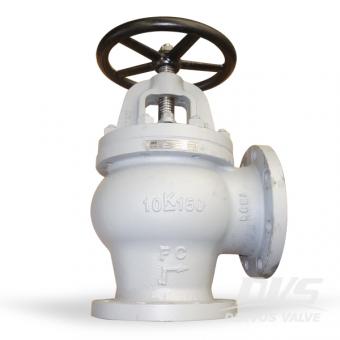
The 150A JIS 5K globe valve is suitable for marine application. The Cast Iron globe valve is handwheel operated with FF flange.

The inverted bucket type steam trap is known as the most reliable steam trap. The DN20 WCB inverted bucket steam traps are used in steam heating systems to stop steam from draining out, so choosing the right trap can help steam heating equipment work more efficiently.
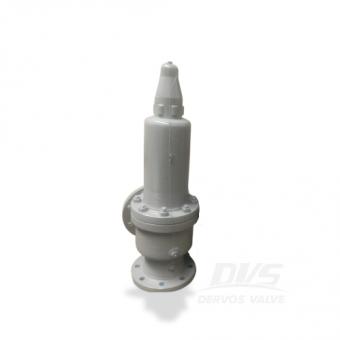
The DN100 safety valve, made of WCB and according to GB/T12241-2005, usually work as the over-pressure protection device that work under a steam, air, water or other non-corrosive medium.
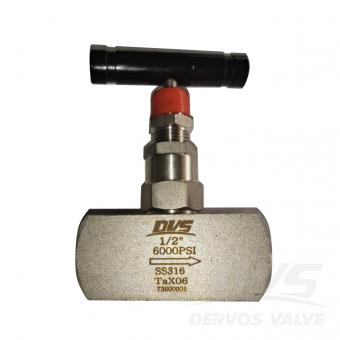
1/2" 6000PSI needle valve is made according to ASME B16.34 standard. The valve body is made of SS316. It has the structural characteristics of straight through. Its connection mode is FNPT. And it has lever operation mode.
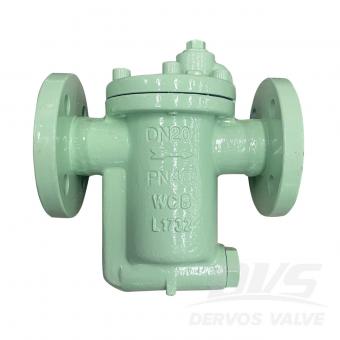
DN20 PN40 steam trap valve is made according to GB/T22654-2008 standard. The valve body is made of WCB. It has the structural characteristics of inverted bucket steam trap and model L881F. Its connection mode is RF.
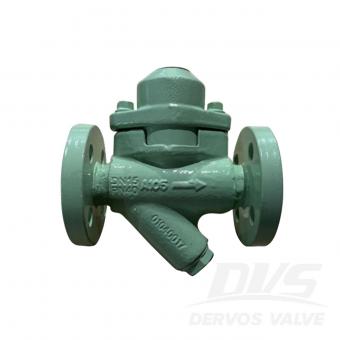
DN15 PN40 steam trap valve is made according to GB/T22654-2008° standard. The valve body is made of A105. It has the structural characteristics of bimetal type and BK47-Y model. Its connection mode is RF.
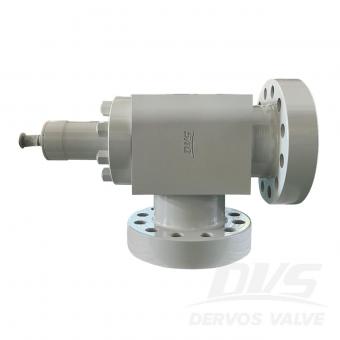
6" 1500LB throttle valve is made according to ASME B16.34 standard. The valve body is made of LF2. It has the structural characteristics of angular, full flow and body cover bolted. Its connection mode is RTJ. And it has hand wheel operation mode.
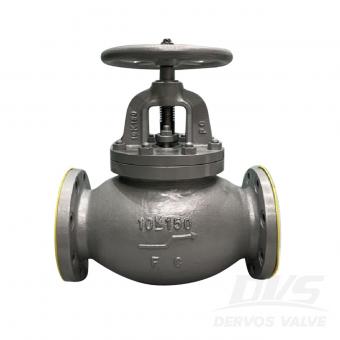
DN150 JIS10K globe check valve is made according to JIS F7400 standard. The valve body is made of cast iron. It has the structural characteristics of bolt cover and F7375. Its connection mode is FF.
Copyright © 2015-2026 DERVOS VALVE CO.,LTD.All Rights Reserved Blog / Sitemap / XML / Privacy Policy