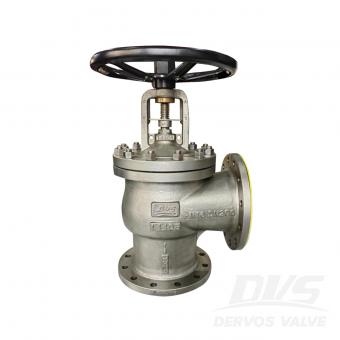
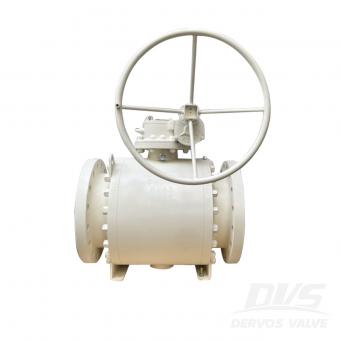
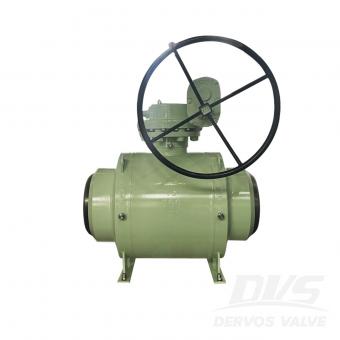
Damage to valve sealing surfaces is typically the result of multiple contributing factors, including material selection, operating conditions, operating practices, and maintenance. The following is a categorized summary of the most common causes: 1. Mechanical Damage ● Wear: Solid particles in the medium (such as sand or welding slag) erode the sealing surface, resulting in scratches or grooves. ● Abrasive scuffing: Frictional wear caused by relative movement of the sealing surfaces during valve opening and closing, particularly in metal-to-metal sealing pairs. ● Impact damage: Deformation of the sealing surface caused by high-velocity fluid impingement or rapid valve opening and closing, leading to impact loading. 2. Chemical Corrosion ● Media corrosion: Acidic, alkaline, or oxidizing media directly attack the sealing surface material, such as metal corrosion caused by H₂S or chloride ions. ● Electrochemical corrosion: When sealing pairs made of dissimilar metals are exposed to an electrolyte, galvanic corrosion may occur due to electrochemical cell formation. ● Erosion–corrosion: The combined effect of corrosive media and high-velocity flow accelerates material loss on the sealing surface. 3. Thermal Damage ●Thermal fatigue:Frequent temperature fluctuations cause repeated thermal expansion and contraction of the sealing surface, leading to cracking or deformation. ●High-temperature oxidation:At elevated temperatures, the sealing surface may undergo oxidation, hardening, or burn-off, as commonly observed in steam valve applications. ●Thermal shock:Sudden exposure to high- or low-temperature media can cause cracking of the sealing surface, such as during rapid condensation or cold media ingress. 4. Improper Installation and Operation ●Installation misalignment: Incorrect valve installation or excessive piping stress can result in uneven loading on the sealing surfaces. ●Over-tightening: Excessive preload applied to the valve stem or bolting may crush or deform the sealing surface, particularly in soft-seated valves or soft sealing gaskets. ●Rough operation: Rapid opening and closing or excessive operating force can cause impact damage to the sealing surfaces. 5. Material Defects ●Improper material selection: The sealing surface material lacks sufficient resistance to process media, high temperature, or wear, such as the use of carbon steel in acidic service. ●Manufacturing defects: Defects in the hardfacing or overlay layer, including porosity, slag inclusions, or improper heat treatment, reduce wear resistance and overall sealing performance. 6. Abnormal Operating Conditions ●Cavitation / flashing: Pressure fluctuations in the fluid generate vapor bubbles that collapse and impact the sealing surface, a phenomenon commonly observed in valves installed downstream of pumps. ●Scaling / deposition: Impurities in the medium accumulate on the sealing surface, impairing tight shutoff, suc...
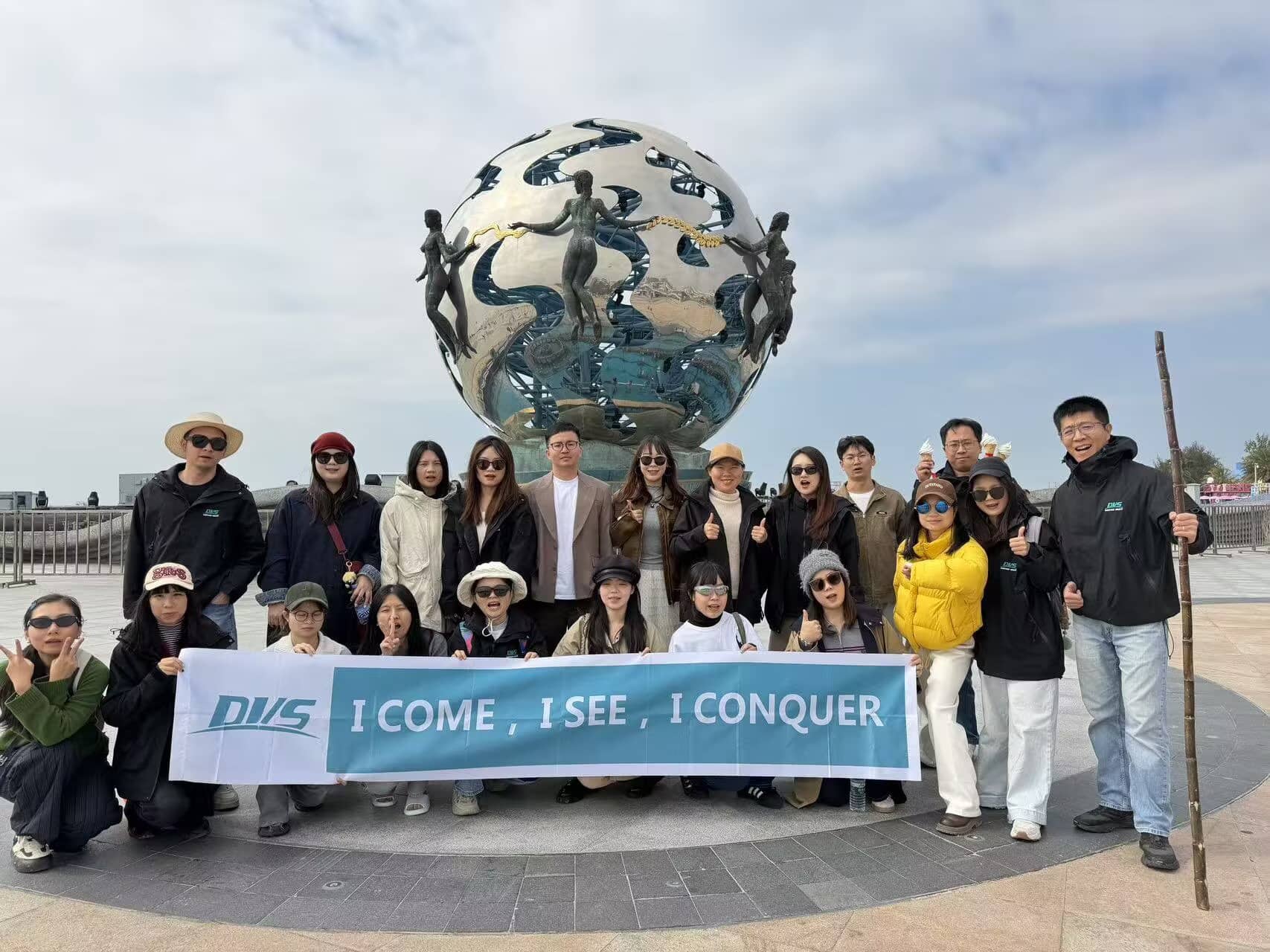
In 2025, Dervos organized its annual team trip, a five-day journey to Chongzuo, Weizhou Island, and Nanning in Guangxi Province. The trip aimed to provide relaxation and strengthen team communication, offering a well-paced and content-rich experience that combined natural landscapes with local cultural immersion. In Chongzuo, the team focused on nature sightseeing. Bamboo rafting tours allowed close observation of the local ecology and offered opportunities to see rare species such as the white-headed leaf monkey. The group also visited Detian Waterfall, experiencing its scale and flow firsthand. The overall itinerary was designed with a relaxed pace, providing ample time for rest and team bonding. Next, the team traveled to Weizhou Island. The volcanic landforms and coastal scenery added a unique visual dimension to the journey. Beyond sightseeing, participants engaged in local agricultural activities, including dragon fruit picking and banana harvesting, gaining insight into local lifestyles. The team also visited several beaches, fully appreciating the island environment. The final stop was Nanning. Team members explored the night market, sampled local specialties, and experienced the city’s daily life, bringing the Guangxi trip to a relaxed conclusion. This annual trip allowed the Dervos team to foster more natural communication and connection outside of work, recharging energy for the months ahead. Dervos remains committed to its guiding principle: I come, I see, I conquer!
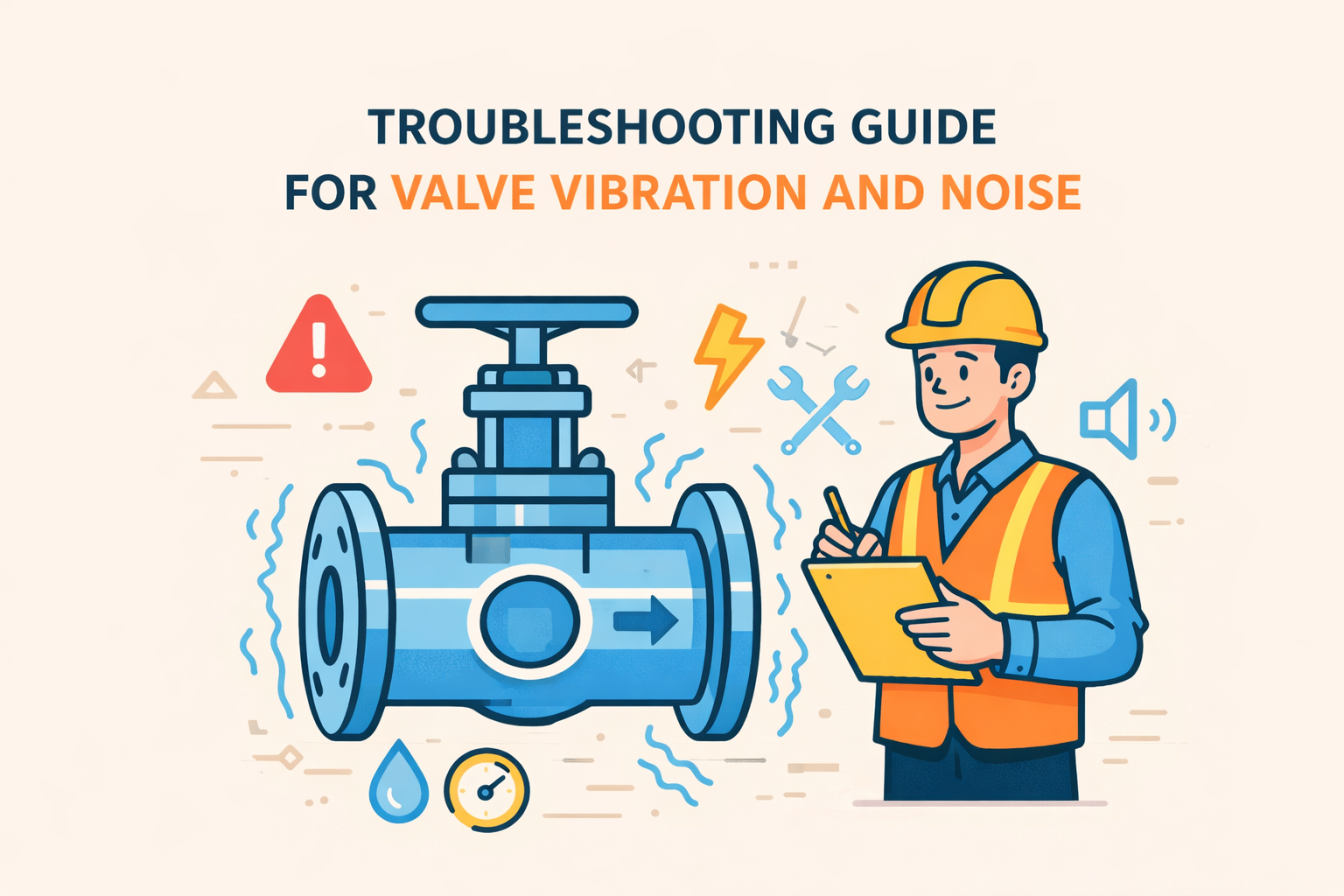
These symptoms typically indicate a mismatch in fluid conditions, valve selection, or system configuration. If left unaddressed over prolonged operation, they can accelerate valve wear and pose safety risks. Based on field experience, this article outlines the common causes of valve vibration and noise and provides practical guidance for troubleshooting. 1. Basic Manifestations of Valve Vibration and Noise Valve vibration usually appears as noticeable oscillations of the valve body, stem, or connected piping. Noise may present as humming, whistling, or banging sounds. These phenomena often occur simultaneously and are primarily related to the following factors: ● Abnormal flow velocity or pressure differential ● Unstable internal forces within the valve ● Mismatch between actual operating conditions and valve design 2. Common Causes Analysis 1. Excessive Flow Velocity or Pressure Differential When the fluid passes through the throttling section of a valve at high speed, strong turbulence and pressure fluctuations are likely to occur, causing periodic impact on internal components. This issue is particularly pronounced when using standard globe valves or ball valves under regulating conditions. Typical manifestations include: ● Noise increases as the valve opening decreases ● Vibration intensifies under high-pressure-drop conditions 2. Improper Valve Selection Incorrect valve selection is a common root cause of vibration, such as: ● Using on/off valves for prolonged throttling ● Oversized valve operating at small openings for extended periods ● Insufficient pressure rating or structural rigidity of the valve These conditions can cause unstable movement of the valve plug or ball, resulting in vibration and noise. 3. Loose or Worn Internal Components After long-term operation, the following issues are commonly observed: ● Wear of valve plugs or discs ● Increased clearance between the stem and guiding parts ● Loosened fasteners Non-design clearances amplify fluid impact, leading to persistent noise. If vibration is accompanied by metallic knocking sounds, the condition of internal components should be checked as a priority. 4. Cavitation or Flashing In liquid service, cavitation or flashing occurs when local pressure drops below the saturation vapor pressure. Bubble collapse in high-pressure regions impacts internal components, often accompanied by noise and vibration. Typical signs include: ● Sand- or gravel-like scraping sounds ● Rapid wear of internal components ● Significant pressure fluctuations 5. Insufficient Piping Support or System Resonance Some vibrations are not directly caused by the valve. When upstream or downstream piping lacks adequate support, or when the piping structure resonates near the fluid pulsation frequency, system resonance may occur, amplifying existing vibrations...

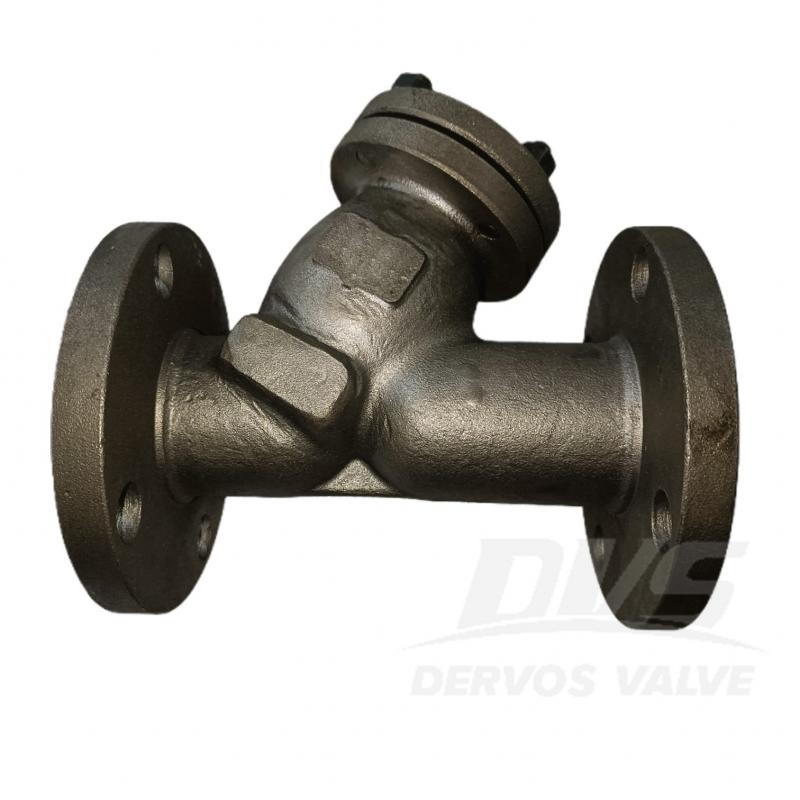
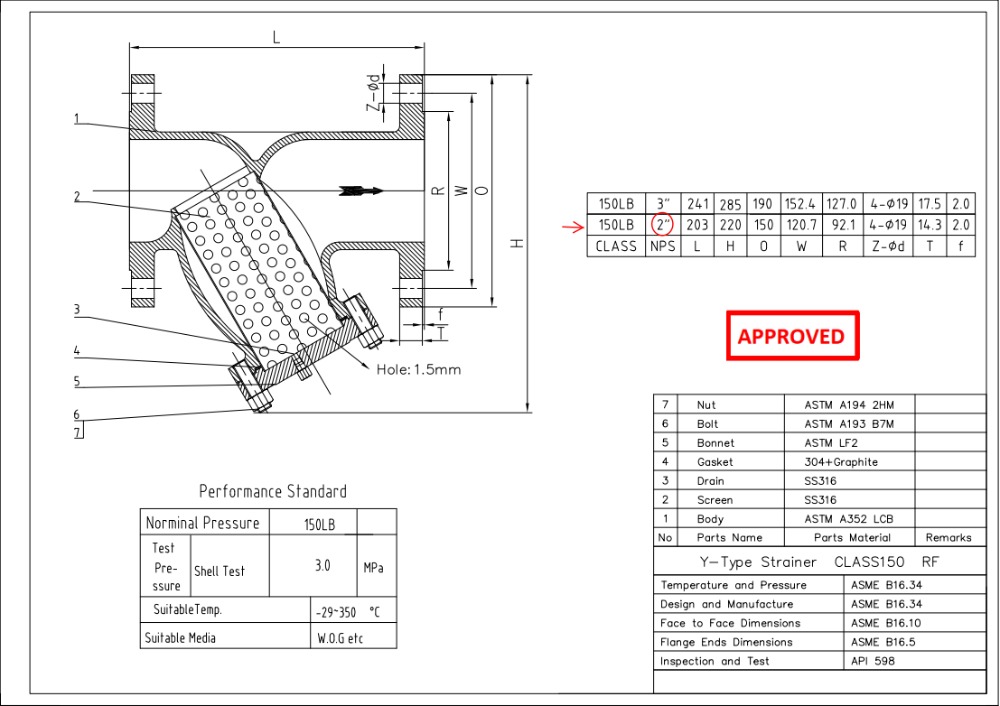
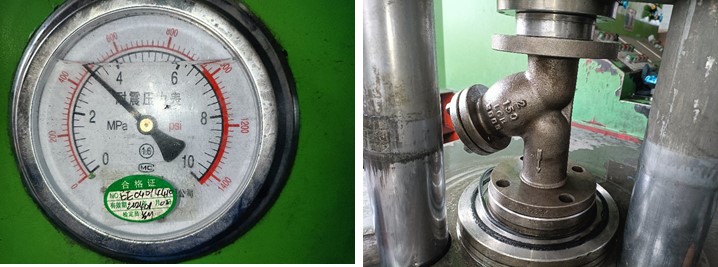
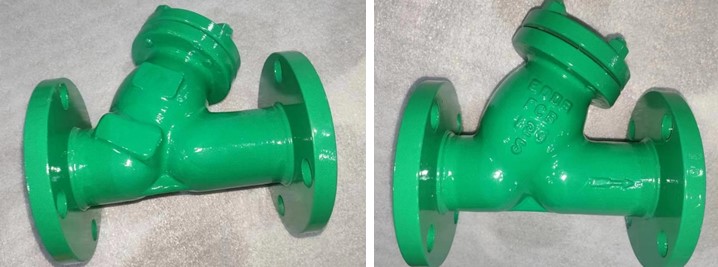
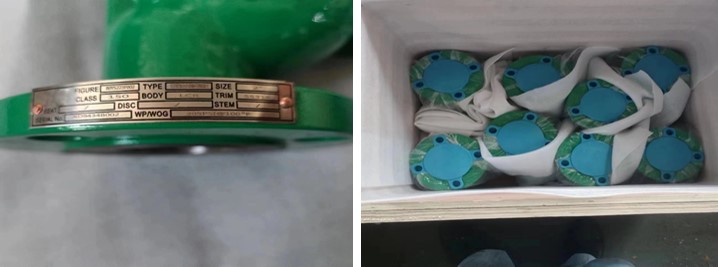
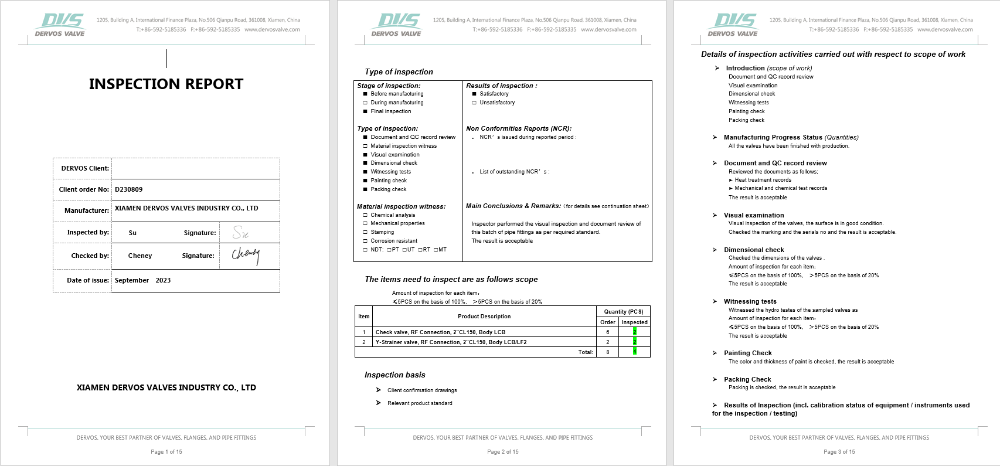
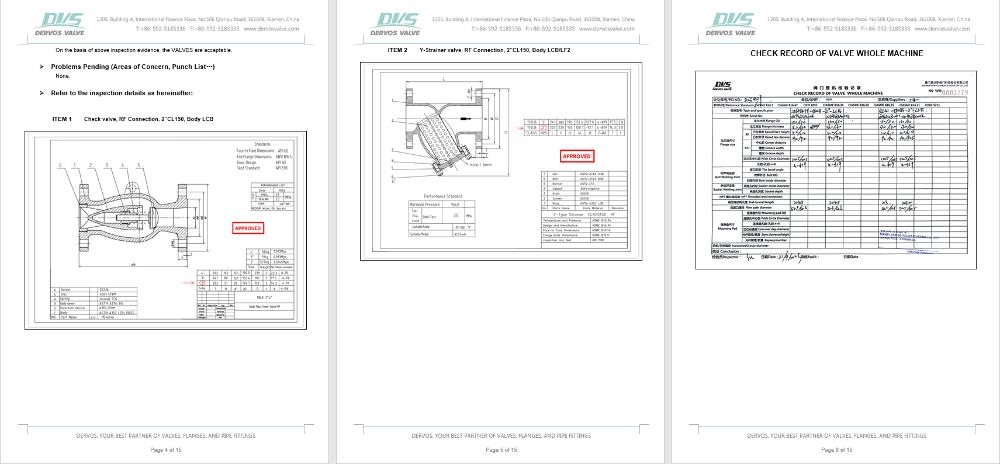
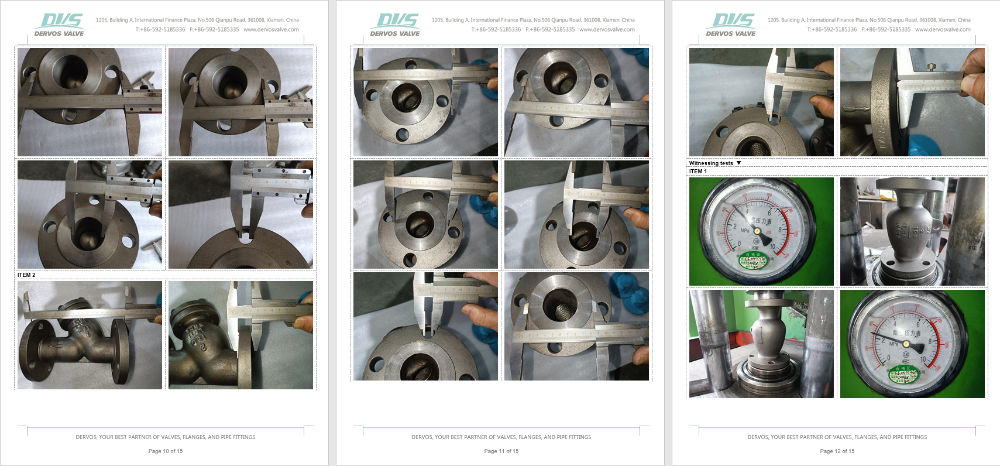
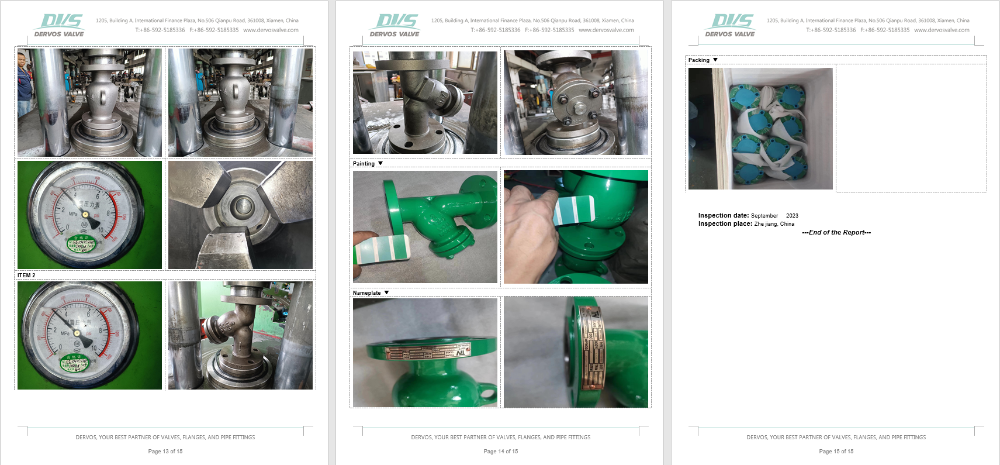
2” 150LB Y Type Strainer is made according to ASME B16.34 standard. The valve body is made of ASTM A352 LCB. It has the structural characteristics of BB,OS&Y. Its connection mode is RF.
Payment:
30% when order confirmed, 70% before shipmentProduct Origin:
chinaColor:
CustomizationShipping Port:
Shanghai, ChinaLead Time:
30~60 days Ex Works after order confirmationMaterial:
ASTM A352 LCBMethod of Operation:
H.W.
|
Type |
Y Type Strainer |
|
Size |
2” |
|
Pressure |
150LB |
|
Connection |
RF |
|
Body Material |
ASTM A352 LCB |
|
Design Norm |
ASME B16.34 |
|
Face to Face |
ASME B16.10 |
|
Flange Ends Dimensions |
ASME B16.5 |
|
Pressure-temperature |
ASME B16.34 |
|
Test & Inspection Code |
API 598 |
|
Temperature |
-29 ~ 350°C |
|
Applicable Medium |
Water, Oil and Gas |
1. Designed according to ASME B16.34 and ASTM standards, ensuring reliable strength and dimensional consistency.
2. Y-type body with RF ends allows efficient debris filtration while maintaining smooth pipeline flow.
If you are interested in our products and want to know more details,please leave a message here,we will reply you as soon as we can.
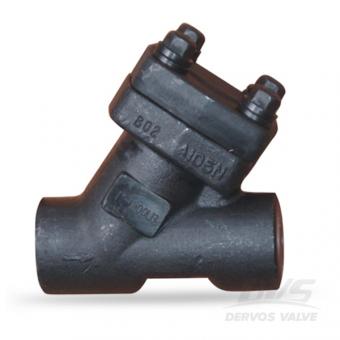
The 1 inch 1500LB y strainer is made of forged steel body and stainless steel 304 as the screen material. The high pressure y strainer with sw end is designed as per ASME B16.34. Design Feature 1.Forged Steel Body 2.Stainless Steel Screen 3.Customized Mesh for Screen 4.Installed Horizontally or Vertically 5.Ability to handle higher pressure Quick Detail Type Strainer Size 1'' DesignPressure 1500LB Construction Y Type Strainer, Bolted Bonnet ConnectionType SW ( Socket Weld) Design Code ASME B16.34 Face to Face ASME B16.10 End Connection ASME B16.11 Pressure & Temp ASME B16.34 Test & Inspection API 598 Body Material ASME A105 ScreenMaterial SS304 TemperatureRange -29℃~+425℃ Application Water, Oil, Gas Related Knowledge What is the difference between Y strainer and basket strainer? Both y strainer and basket strainer take their name from their configurations. There are four differences between them. -First, y strainer can be installed either horizontally or vertically. But in most cases, basket strainer could only be in horizonal position. -Second, y strainer could handle higher pressure rating than basket type. -Third, for the ability to screen particulate, basket strainers are better than y strainers. -Lastly, basket strainer is easier to be cleaned than the y type strainer. In conlusion, Y-strainers are applicable for high-pressure pipelines with a low concentration of particles & solids and less cleaning needs. Vice versa for basket type strainer.
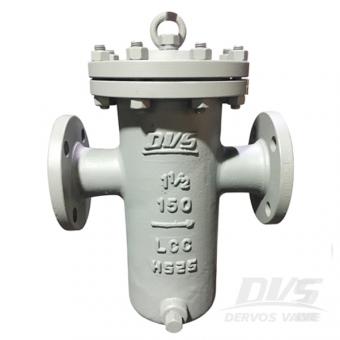
The basket type strainer has 150LB design pressure and 1 1/2 inch size. The flanged strainer is made of LCC body and stainless steel screen. Quick Detail Type Strainer Size 1.5'' DesignPressure 150LB Construction Bolted Bonnet, Basket Type ConnectionType Flanged Design Code ASME B16.34 Face to Face ASME B16.10 End Connection ASME B16.5 Pressure & Temp ASME B16.34 Test & Inspection API 598 Body Material ASTM A352 LCC ScreenMaterial SS304 TemperatureRange -46℃~+345℃ Application Water, Oil, Gas Company Profile Founded in Xiamen in 2008, DERVOS VALVES INDUSTRY CO., LTD has accumulated rich experience in supplying and exporting industrial valves, from general types of gate valve, globe valve, check valve, ball valve, butterfly valve, plug valve, strainer to special valves like needle valve, control valve, relief valve, safety valve and steam trap. Dervos people are committed to provide our customers with best possible service and valve products at a competitive price. With over 500 valve suppliers, the rich resources we own enable us to find the most suitable products in a very short time for our customers. Purchasing System Dervos purchasing system plays an important role in order follow up and supplier management. What does our purchasing team do? -Confirm production plan with the factory -Follow up the order according to the production plan very closely -Take every measure to initiate all related resources to solve the delay crisis -Seek new suppliers and put them into our supplier pool by evaluating them on quality, equipment, certificates, price level, technical supports etc -Do annual evaluation on current suppliers and eliminate those unqualified ones. All these actions will make sure that clients’ order will be delivered on time and we can find most suitable products among qualified suppliers in an efficient way.
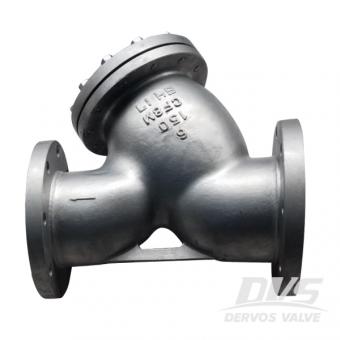
ASME B16.34 Y type Strainer Flat Flange Connection Bolt Cover ASTM A182 F316 ASTM A351 CF8M Gasket SS316 + Flexible Graphite Screens SS316 Drain Plug 3/4” NPT Bolt Bonnet B8M 8M 6 inch 150LB 8inch 150LB Design and manufacture ASME B16.34 Face to Face Dimension ASME B16.10 Flange Dimension ASME.B16.5 Test and Inspect API598 Quick Detail Type Y Type Strainer Size 6 inch 8 inch Pressure CL150 Construction Bolt Cover Connection FF Operation Mode / Body Material CF8M Cover F316 Design & Manufacture ASME B16.34 End to End ASME B16.10 End Connection ASME B16.5 Inspection API 6D, API 598 Temperature Range -29℃~+538℃ Medium Oil, Water, Gas
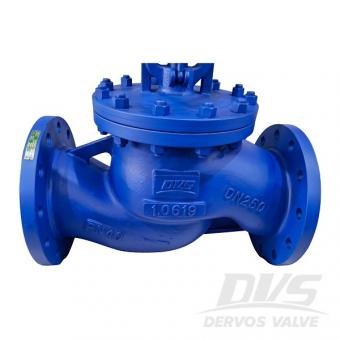
DN250 PN40 Y-type strainer is made according to EN13709 standard. The valve body is made of EN 10213 1.0619. It has the structural characteristics of Y-type. It connection mode is RF.
8" 150LB strainer is made according to ASME B16.34 standard. The valve body is made of CF3M. It has the structural characteristics of Y type. Its connection mode is RF.
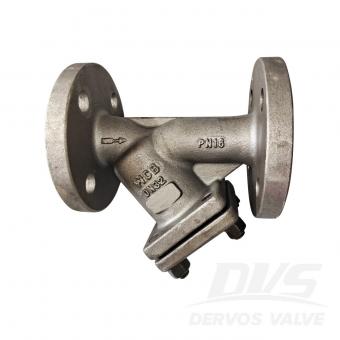
DN32 PN16 Y type strainer is made according to EN12516-1 standard. The valve body is made of WCB. It has the structural characteristics of pressure Y type. Its connection mode is RF.
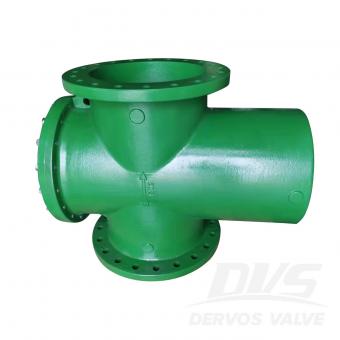
20" 125LB strainer is made according to manufacturer's standard. The valve body is made of GGG50. It has the structural characteristics of basket style and body cover bolted. Its connection mode is FF.
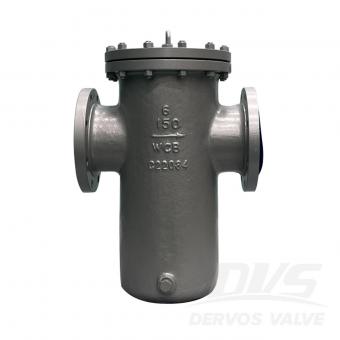
6" 150LB strainer is made according to ASME B16.34 standard. The valve body is made of ASTM A216 WCB. It has the structural characteristics of basket type. Its connection mode is RF.
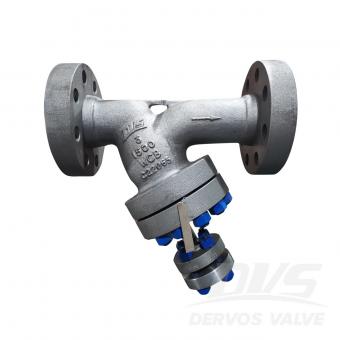
3" 1500LB strainer is made according to ASME B16.34 standard. The valve body is made of ASTM A216 WCB. It has the structural characteristics of plug with DN20 blind flange. Its connection mode is RTJ.
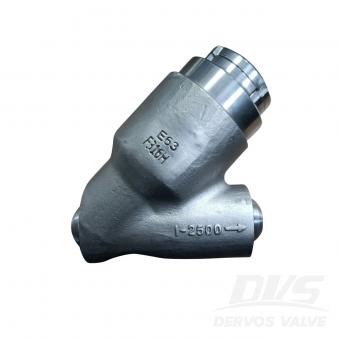
1" 2500LB strainer is made according to ASME B16.34 standard. The valve body is made of ASTM A182 F316H. It has the structural characteristics of pressure self sealing and Y type. Its connection mode is BW SCH160.
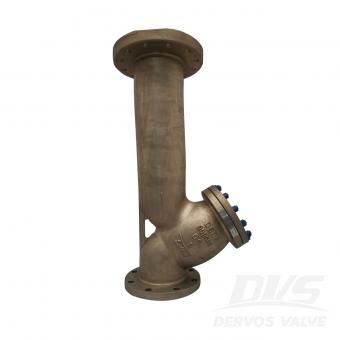
6" 150LB Y type strainer is made according to ASME B16.34 standard. The valve body is made of ASTM B148 C95800. It has the structural characteristics of bonnet with 1/2 "FNPT plug. Its connection mode is RF.
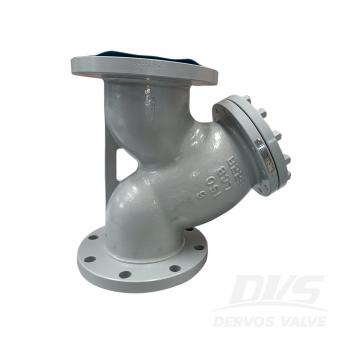
6" 150LB strainer is made according to ASME B16.34 standard. The valve body is made of ASTM A352 LCB. It has the structural characteristics of Y-shaped and bolt cover. Its connection mode is RF.
Copyright © 2015-2026 DERVOS VALVE CO.,LTD.All Rights Reserved Blog / Sitemap / XML / Privacy Policy