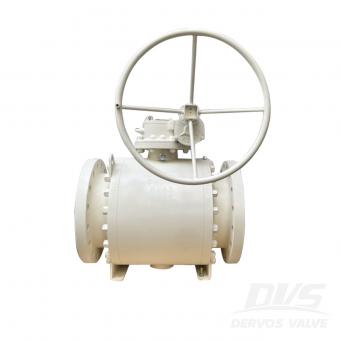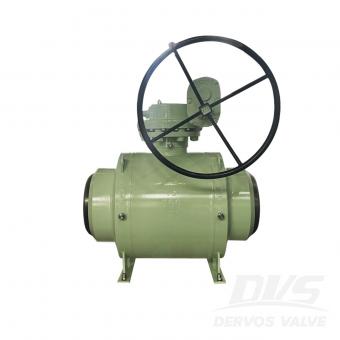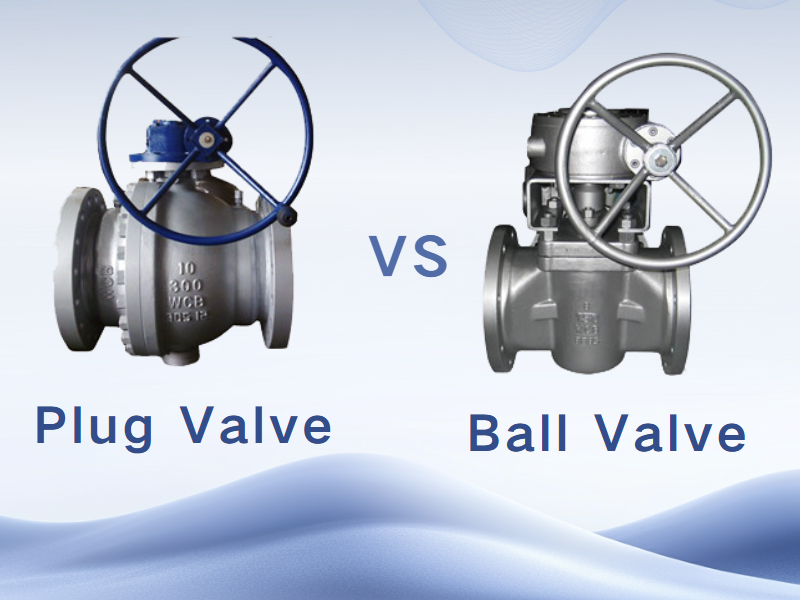
Ball valves and plug valves differ significantly in several aspects, including structure, operating principle, mode of operation, flow control capability, sealing performance, and application scenarios. These differences enable the two types of valves to perform distinct roles in their respective fields. Structural Differences The ball valve, a design evolved from the plug valve, utilizes a spherical element as its core component. By rotating the ball 90° around the stem axis, the valve can be opened or closed. Its structure is straightforward, consisting primarily of a spherical closure element with a through-bore housed within the valve body. In contrast, the structure of a plug valve is more complex. It comprises multiple components such as the valve body, bonnet, plug, seat, and stem. The closure element is a cylindrical or tapered plug that controls flow by rotating 90°, aligning or misaligning the port in the plug with the flow passage in the valve body to achieve opening or shutoff. Operating Principle The operating principle of a ball valve relies on the rotation of the ball to control the on-off flow of fluid. When the ball is in tight contact with the valve seat, the clearance between them is completely sealed, thereby preventing fluid leakage. When the ball rotates to a position disengaged from the seat, the fluid is allowed to flow freely through the passage inside the valve body. The operating principle of a plug valve differs in that it primarily controls the flow passage by rotating the plug element to open or close the valve. In a plug valve, the plug is connected to the stem and rotates together with it to achieve flow control. The closure element is a tapered plug with a port, and the flow passage is designed to be perpendicular to the axis of the plug. This configuration enables the plug valve to operate more efficiently and reliably during opening and closing. The operation of a ball valve is notably simple, requiring only a 90-degree rotation to achieve opening or closing. This design allows the flow passage to be opened or shut off quickly and smoothly when the ball is rotated by 90 degrees, providing both convenience and efficiency. In addition, ball valves offer relatively low flow resistance in the fully open or fully closed position, making them particularly suitable for applications that require rapid on-off operation. By contrast, the operation of a plug valve is comparatively more complex, as several turns are typically required to complete the opening or closing action. The valve plug is designed in a cylindrical or tapered form and regulates fluid flow through rotation. Nevertheless, plug valves demonstrate excellent performance in flow regulation, enabling precise adjustment of the flow passage diameter and accurate control of flow rate. However, due to the relatively complicated operating process, plug valves are not well suited for frequent operation...
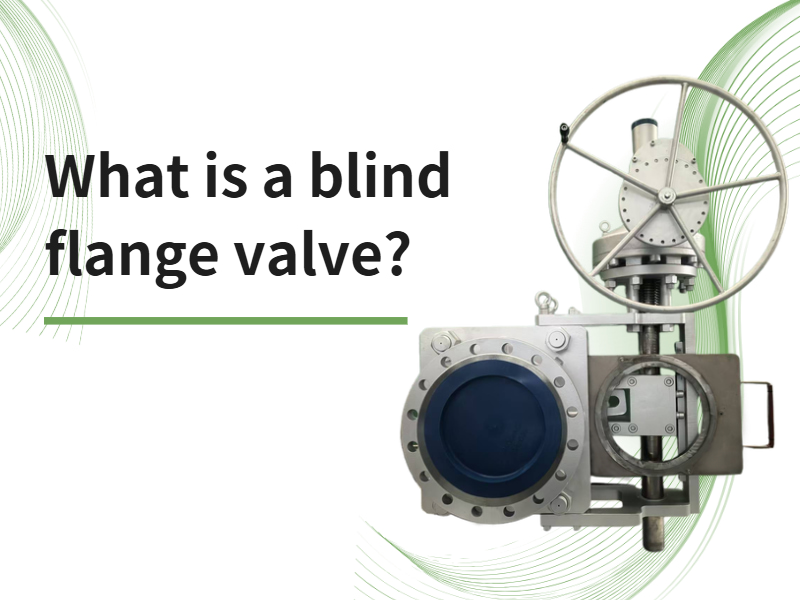
In industrial valve systems, a high-quality blind plate valve ensures safe and efficient operation of equipment. It is suitable for gas pipelines in metallurgy, chemical processing, petroleum, and municipal systems, serving as an effective device for positive gas isolation. Working Principle and Features The blind plate valve consists of left, center, and right valve bodies, a valve plate, shafts, a compensator, and two drive units (for clamping and travel respectively). The clamping mechanism uses a drive assembly to actuate a linkage system, enabling three lead screws to operate synchronously and press the valve bodies against the valve plate to achieve sealing. This design provides good synchronization and uniform sealing force distribution. Positioning rollers are installed along the outer lower edge of the valve plate to enhance sealing reliability and ensure overall stability and sealing accuracy during operation, thereby extending the service life of the valve. Valve Operating Sequence The clamping drive unit actuates the crank and linkage mechanism, causing the lead screws to rotate synchronously and retract the center body from the sealing surfaces (release condition). Guide wheels installed on the center body move laterally and simultaneously drive the valve plate. When the valve bodies are fully opened, the valve plate is positioned between the sealing faces of the left and right bodies, and the sealing surfaces are completely disengaged. The plate drive unit is then activated. Through a lever arm mechanism, the valve plate rotates, bringing the blind plate into the pipeline position. The clamping drive unit is started again to fully clamp the valve plate, completing valve closure. Valve Opening The clamping drive unit first fully releases the valve bodies. The turning drive unit then rotates the valve plate so that the through-port aligns with the pipeline. Finally, the clamping electric actuator presses the valve plate to complete the opening operation.
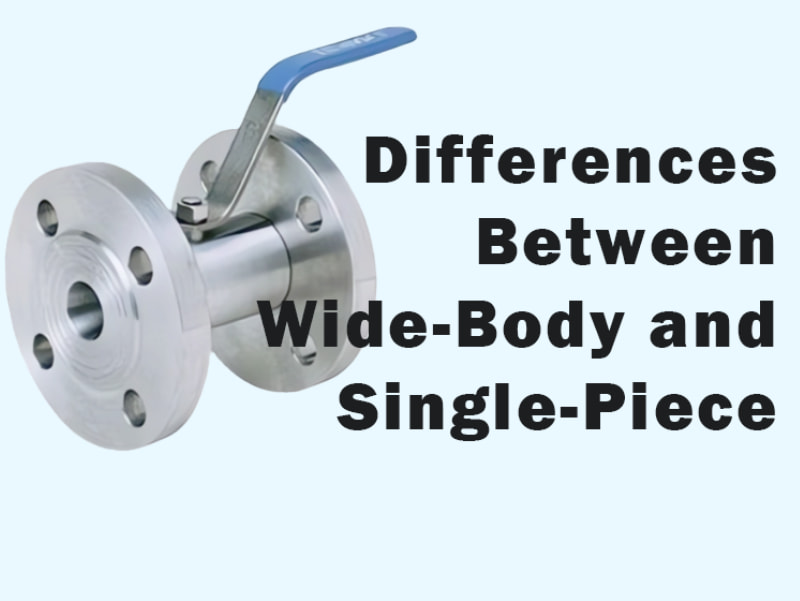
Wide-body ball valves and single-piece ball valves are both types of ball valves used for controlling the on/off flow of medium in pipelines. Both wide-body and single-piece ball valves feature a one-piece (integral) body design, unlike split-body designs. This differs from two-piece and three-piece ball valves, which have segmented valve bodies. For internally threaded wide-body ball valves, the valve body is made from round or hexagonal stock, using either bar material or forged components. The ball core features a reduced-diameter design and is inserted from one side of the valve body. The stem uses an internal anti-blowout structure. Flat surfaces are machined on both the inlet and outlet sides of the body to facilitate assembly of the ball valve and allow the use of wrenches during pipeline installation. In wide-body ball valves, the stem stuffing box is relatively shallow, and the internal packing volume is limited, resulting in a moderate sealing performance of the stem. Therefore, these valves are more suitable for low-pressure medium applications. In contrast, two-piece and three-piece ball valves feature stem stuffing box structures that provide reliable sealing for high-pressure medium applications. The structure of flanged wide-body ball valves is essentially the same as that of internally threaded wide-body ball valves. Typically, the flange is connected to the intermediate valve body via threaded fasteners, although some designs utilize a forged one-piece structure. Externally threaded wide-body ball valves can use a union-type structure, where the union is directly welded to the pipeline and connects to the external threads on the valve body. This design allows for easy disassembly and reassembly during valve maintenance or replacement without requiring separate unions on the pipeline. The valve bodies of single-piece internally threaded ball valves and single-piece flanged ball valves are manufactured using casting processes, with the ball core featuring a reduced-diameter design. The stem uses an internal anti-blowout structure. The inlet and outlet ends of single-piece internally threaded ball valves have a hexagonal shape, similar to conventional internally threaded valves, to facilitate wrench operation and secure installation. In single-piece flanged ball valves, the flange and valve body are cast as a single unit, eliminating the need to machine and assemble the flange separately as in wide-body flanged ball valves. This approach reduces cost and simplifies the manufacturing process. Single-piece wafer-style ball valves have a shorter valve body length, making them more suitable for pipelines with limited space. Wide-body and single-piece ball valves both use a reduced-diameter ball design, resulting in higher flow resistance compared with two-piece and three-piece ball valves. The main differences are as follows: Valve Body Manufacturing Process ● Wide-bo...
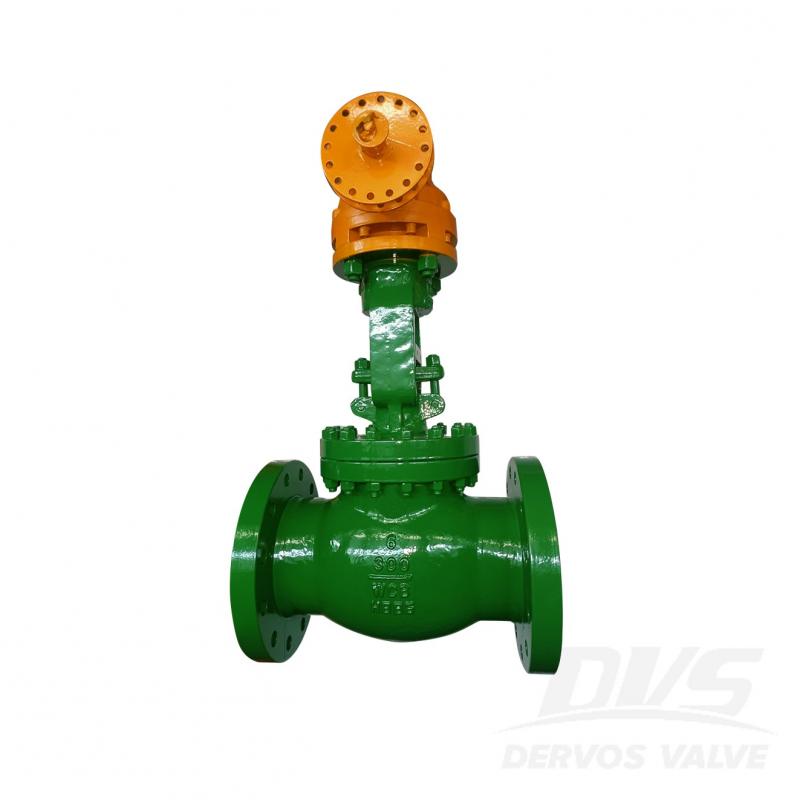
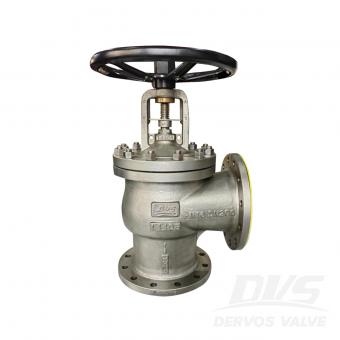
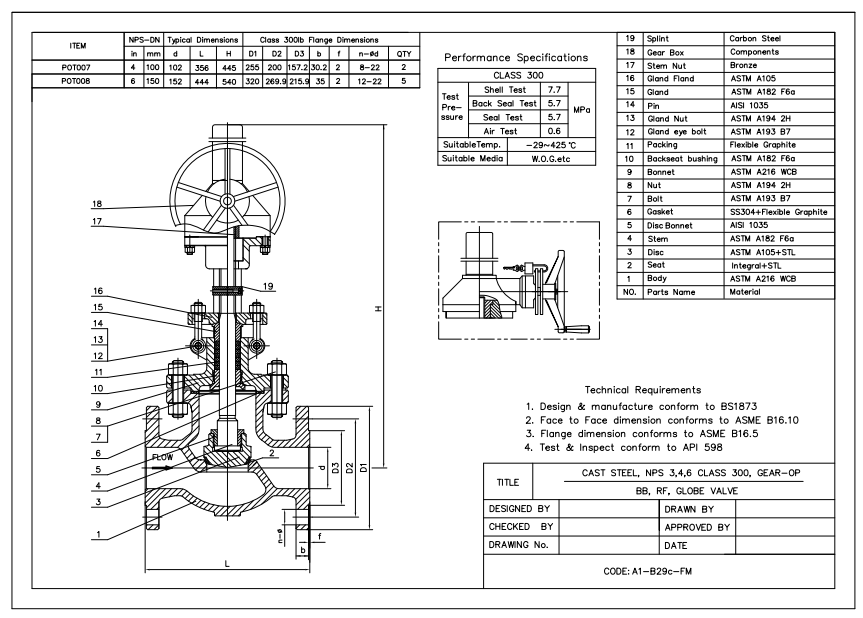
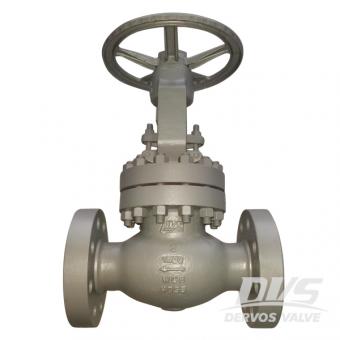
6" 300LB globe valve is made according to BS1873 standard. The valve body is made of ASTM A216 WCB. It has the structural characteristics of straight through, rising stem. Its connection mode is RF. And it has gearbox with lock operation mode.
Payment:
30% when order confirmed, 70% before shipmentProduct Origin:
ChinaColor:
CustomizationShipping Port:
Shanghai, ChinaLead Time:
30~60 days Ex Works after order confirmationMaterial:
ASTM A216 WCBMethod of Operation:
G.OProduct Description
|
Type |
Globe Valve |
|
Size |
6" |
|
Pressure |
300LB |
|
Connection |
RF |
|
Operation |
G.O |
|
Body Material |
ASTM A216 WCB |
|
Design Norm |
BS1873 |
|
Face to Face Dimension |
ASME B16.10 |
|
Flange Dimension |
ASME B16.5 |
|
Test & Inspection Code |
API 598 |
|
Temperature |
-29 ~ 425°C |
|
Applicable Medium |
Water, Oil and Gas |
Features
1. Can withstand high pressure and is suitable for high-pressure pipeline systems;
2. The valve body structure is sturdy and can withstand large pressures and impacts, with high durability and reliability.
Technical Drawing
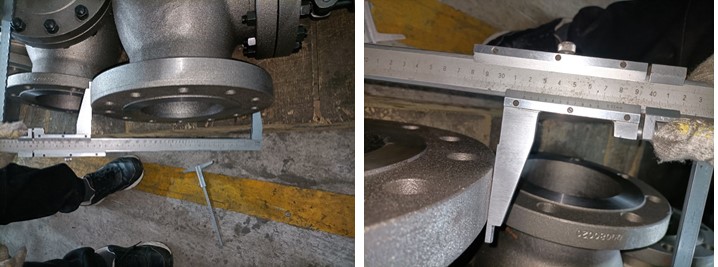
Dimension Checking
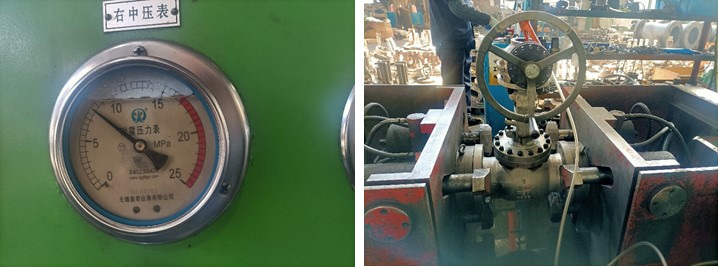
Pressure Testing
Painting
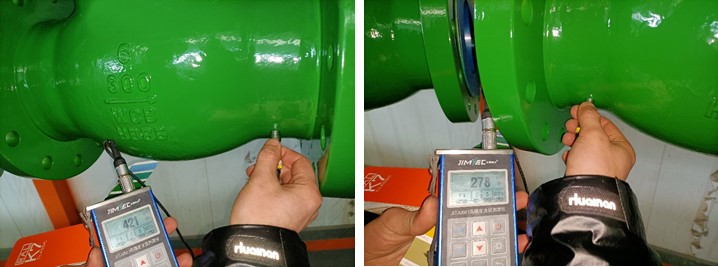
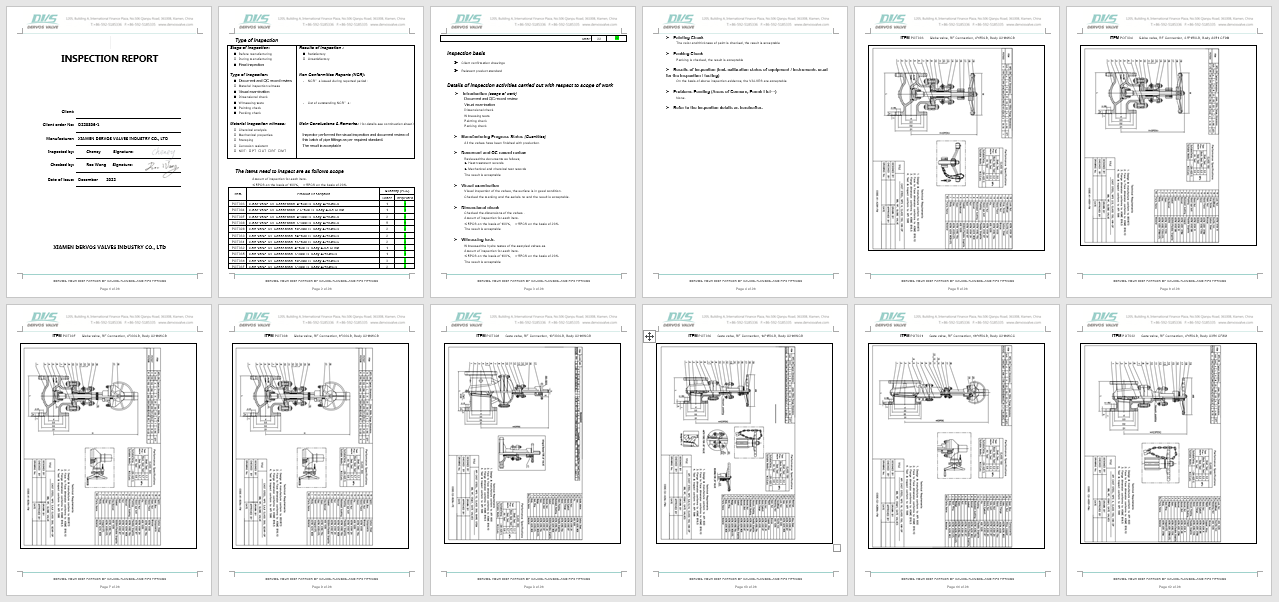
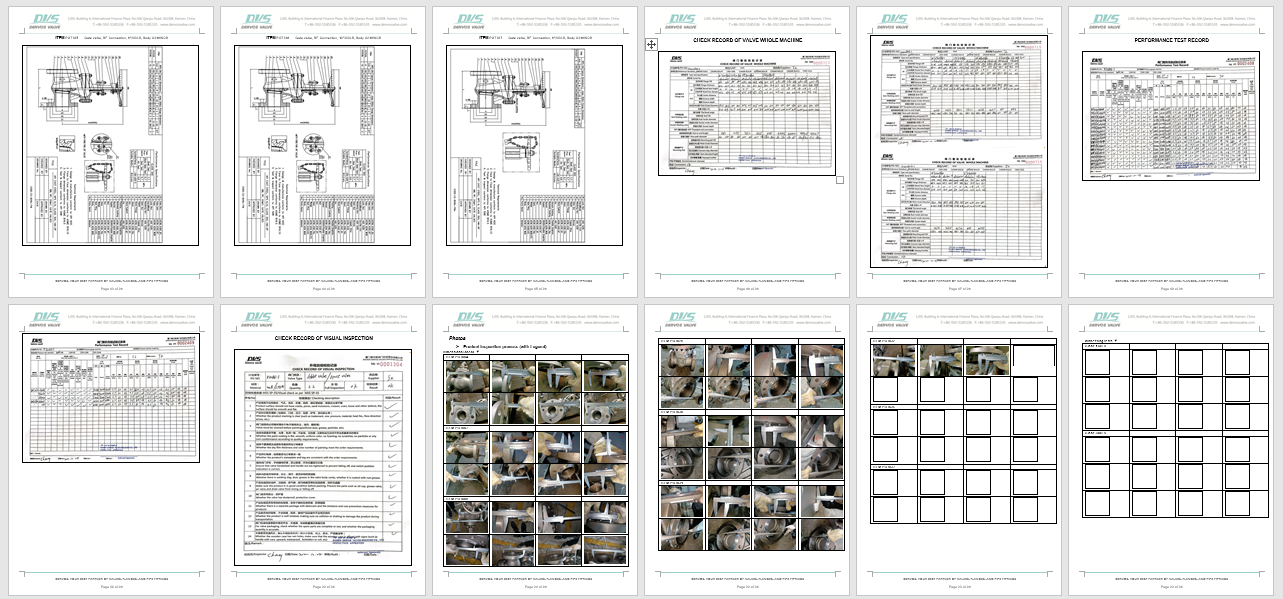
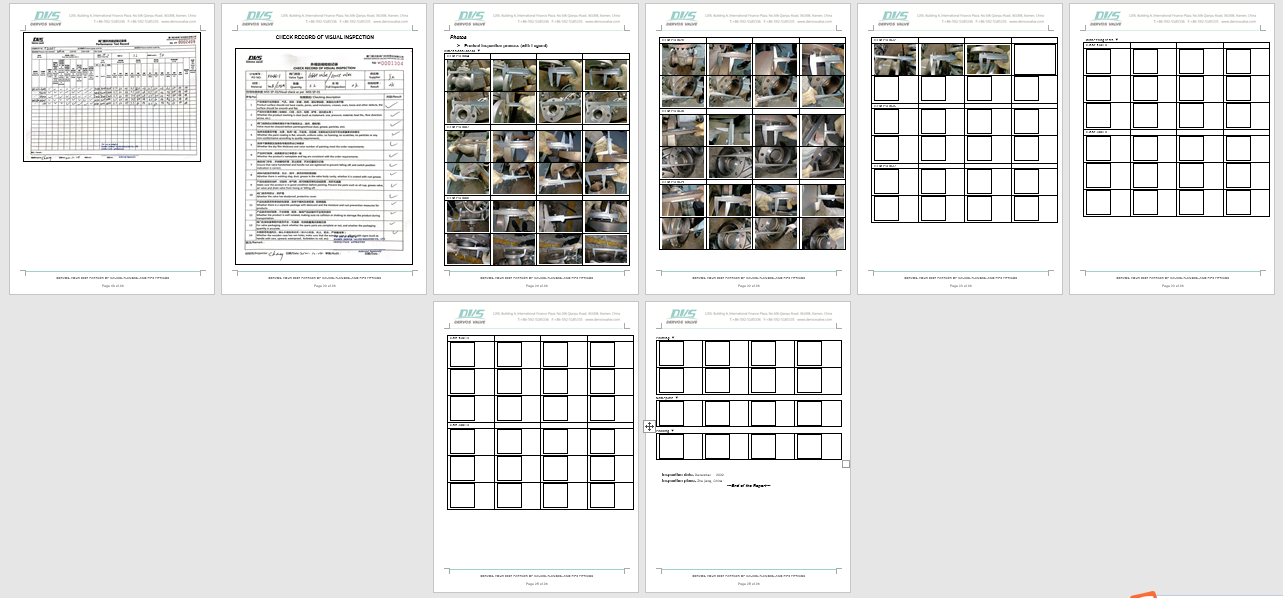
Inspection report
If you are interested in our products and want to know more details,please leave a message here,we will reply you as soon as we can.
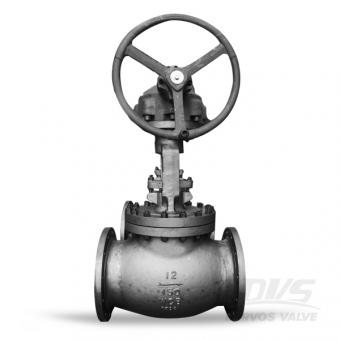
The 12 inch 150 LB cast steel globe valve is made of carbon steel WCB body and trim 8, with gearbox, RF flange, BB, and plug disc. Quick Detail Type Globe Valve Size 12'' Pressure Class 150 Construction Bolted Bonnet, Straight Pattern,Plug Disc, OS&Y Connection Flanged Connection Operation GearOperated Design Code BS 1873 Face to Face ASME B16.10 Flange Connection ASME B16.5 Pressure & Temp ASME B16.34 Test & Inspection API 598 Body Material A216 WCB TrimMaterial Trim 8 Temperature Range -29℃~+427℃ Application WOG Origin China Dimension Class 150 NPS in 2 2 1/2 3 4 5 6 8 10 12 DN mm 50 65 80 100 125 150 200 250 300 L-L1 (RF-BW) in 8 8-1/2 9-1/2 11-1/2 14 16 19-1/2 24-1/2 27-1/2 mm 203 216 241 292 256 406 495 622 698 L2 (RTJ) in 8-1/2 9 10 12 14-1/2 16-1/2 20 25 28 mm 216 229 254 305 368 419 508 635 711 L3 mm 102 108 121 146 178 203 248 311 349 H (OPEN) in 14-11/16 15-3/8 16-9/16 20-1/4 21-3/16 22-5/15 24-5/8 28 39 mm 373 390 421 515 538 567 626 712 990 W in 7-7/8 9-7/8 9-7/8 11-13/16 11-13/16 13-3/4 15-3/4 17-3/4 24 mm 200 250 250 300 300 350 400 450 610 WT (kg) RF 22 29 42 64 77 105 154 288 507 BW 19 25 34 49 65 82 131 249 430 Related Knowledge What is the difference between a gate valve and a globe valve? Gate valves and globe valves are two of the most common valves we know. The differences beween them are: 1.Gate valve is used only for on-off function. But the globe valve could be used for shutting off and throttling at the same time. 2.The flow resistance of a globe valve is larger than a gate valve. Likewise, globe valves have more pressure drop than gate valves. 3.The gate valve require larger installation space than a globe valve from the perspective of opening height. 4.The gate valve sealing face suffers more abrasion than a globe valve. 5.The torque value of a globe valve is larger than a gate valve. Quality Checking Quality means everything in Dervos. Quality checking team will do inspections according to standard procedure and provide reports. Our QC team will check valve quality from casting and forging, machining, pressure testing, dimension checking, painting & packing.
The 2 inch 1500LB globe valve, made of ASTM216 WCB, is designed as per BS 1873. It is operated by a handwheel and is connected with pipeline by RTJ. The body and the disc of the globe valve contain 13Cr, therefore this valve enjoys a better ability to resist corrosion. Quick Detail Type Globe Valve Nominal Diameter 2 Inch NominalPressure 1500LB Construction Bolted Bonnet Connection RTJ Operation Handwheel Design & Manufacture BS 1873 End to End ASME B16.10 Flange End Dimension ASME B16.5 Test & Inspection API 598 Temperature Range -29℃~+425℃ Body Material ASTM A216 WCB +13Cr Disc Material ASTM A105 WCB +13Cr Media W.O.G. Dervos Quality Checking System In Dervos, we control quality throughout the whole manufacturing process. Casting inspection: We can find out the problem of raw material, such as shoddy casting, unqualified wall thickness, chemical composition and so on, which ensure that you will not be cheated. Machining Inspection: On the one hand, we could ensure machining accuracy through this process. On the other hand, we could find out machining mistake as early as possible, to win more time for repairing and remaking Final Inspection: Final inspection activities include document and QC record review, visual examination, dimension check, pressure test, painting and packing check. You don’t need to come and inspect in person and all the documents could be provided as proof.
The cast steel globe valve is designed as per BS1873. With Body Bonnet, outside screw and yoke, handwheel, the 8 inch valve, the valve is suitable for common work condition.
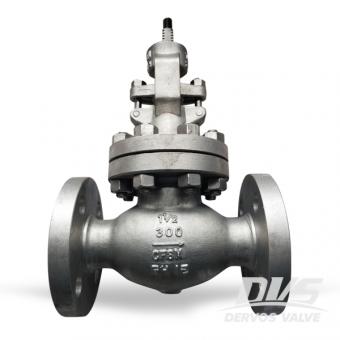
The 1-1/2 inch globe valve, designed as per API 623, has a bomb-shaped body and a parabolic plug both of which optimize the smooth flow of the media. The valve is made of stainless steel and is equipped with a handwheel, easy to operate and maintain.
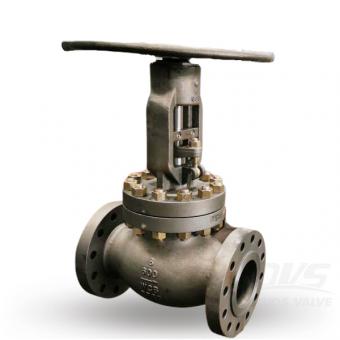
The 6 inch 600LB globe valve, made of ASTM216 WCB, is designed as per API623. It is operated by a handwheel and is connected with pipeline by RF. The disc of the globe valve contain 13Cr, therefore this valve enjoys a better ability to resist corrosion.
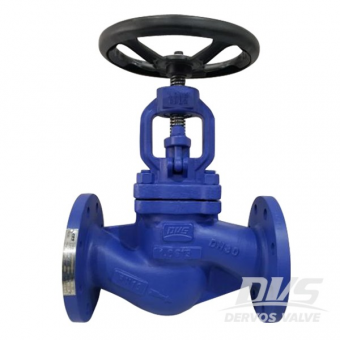
EN 13709 Design and manufacture. EN558-1 Face to Face dimension. EN1092-B1 Flange and dimension. EN12266 Test and inspection standard.
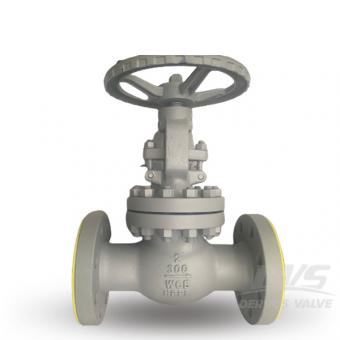
Quick Detail Type Globe Valve Nominal Size NPS 2 NominalPressure Class 300 Construction BB, Rising Stem, Integral Seat Connection Type Flange Operation Type Handwheel Design Code BS1873 Face to Face ASME B16.10 Flange End ASME B16.5 Test & Inspection API 598 Body Material WCB+STL Trim Material F316+STL Temperature Range -29℃~425℃ Medium Water, Oil and Gas Origin China Design Feature 1. Straight pattern body structure 2. OS&Y, Rising Stem 3. Bolted Bonnet 4. Available with bevel gear operation 5. Plug type disc 6. Little abrasion on sealing face during valve operation 7. Smaller installation space required Technical Drawing Dimension Check Witnessing Tests Packing Our Service Dervos customer service is one of our biggest competitive advantages. In Dervos, we provide- 1.Quotation within 24 hours or no later than 3 days This will let you meet the quotation submission deadline and enhance your working efficiency 2.Weekly status report of your order In this way, you will have a clear picture of your order. You do not need to waste time on pushing us for status update 3.An 18-month warranty period A warranty certificate will issued after shipment and you will not have any concern after buying valves. 4.Solutions to complaints within 3 days Quick and responsible actions to complaints will protect your reputation and reduce the financial loss as much as possible. Certificates Dervos could provide reports upon clients’requests, such as ISO 9001, PED CE, EAC, API 607, API 6D, API 6A and etc.
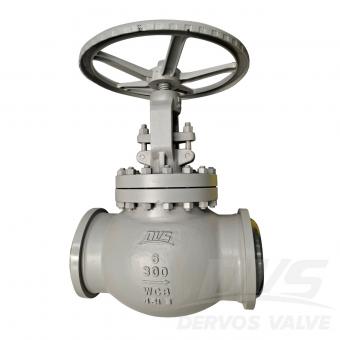
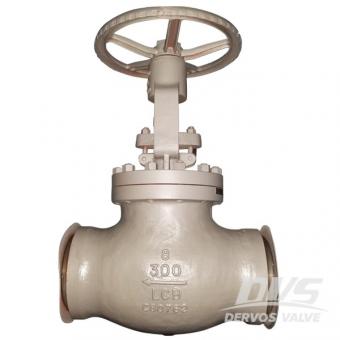
6" 300LB globe valve is made according to BS1873 standard. The valve body is made of WCB. It has the structural characteristics of straight through, bolt cover, parabolic disc, standard flow, body valve seat. Its connection mode is BW. And it has handwheel operation mode.
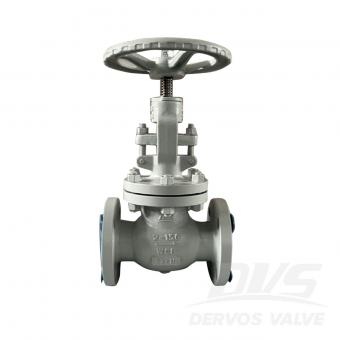
2" 150LB globe valve is made according to BS1873 standard. The valve body is made of A216 WCB. It has the structural characteristics of bolt cover, rising stem, OS&Y and body valve seat. Its connection mode is RF. And it has hand wheel operation mode.
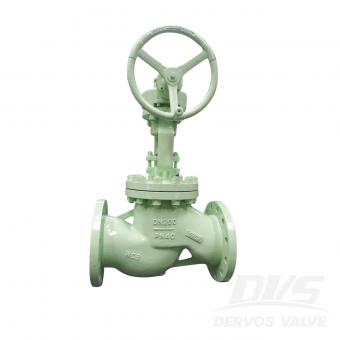
DN200 PN40 globe valve is made according to EN13709 standard. The valve body is made of ASTM A216 WCB+STL. It has the structural characteristics of straight through, bolted cover and structural length of 595mm. Its connection mode is EN1092-1 B1. And it has gear operation mode.
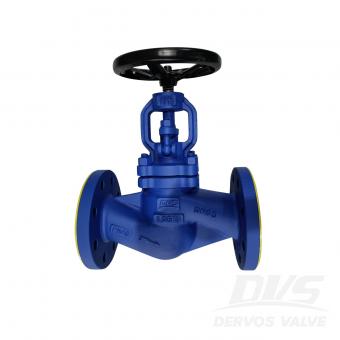
DN65 PN40 globe valve is made according to BS EN 13709 standard. The valve body is made of EN 10213 1.0619. It has the structural characteristics of bolted cover and straight through type. Its connection mode is EN1092-1 B. And it has hand wheel operation mode.
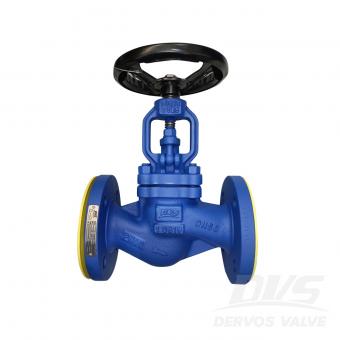
DN50 PN40 globe valve is made according to BS EN 13709 standard. The valve body is made of EN 10213 1.0619. It has the structural characteristics of bolt cover and straight through type. Its connection mode is EN1092-1 B. And it has hand wheel operation mode.
Copyright © 2015-2026 DERVOS VALVE CO.,LTD.All Rights Reserved Blog / Sitemap / XML / Privacy Policy