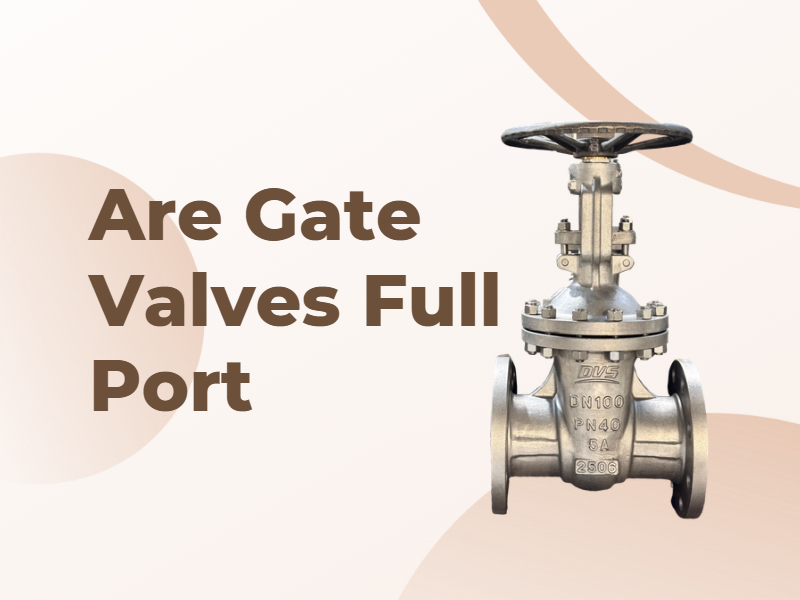
In industrial piping systems, gate valves are generally considered low-resistance isolation valves. When the valve is fully open, the gate is completely withdrawn from the flow path, allowing the fluid to pass through with minimal obstruction. However, from a strict engineering perspective, not all gate valves are classified as full port valves. If the seat bore is equal to or very close to the pipeline internal diameter, the flow experiences little or no restriction. In this case, the valve can be considered full port (or near full port). This design is commonly used in oil and gas pipelines, water transmission systems, and other applications where low pressure drop is required. If the seat bore is slightly smaller than the pipe internal diameter, a minor flow restriction will occur inside the valve. In such cases, the valve is more accurately described as reduced bore. This configuration is more common in smaller sizes or cost-optimized valve designs. In engineering practice, a simple selection logic can be applied: ● If the system requires minimum flow resistance or pipeline pigging, the valve bore must match the pipeline diameter. ● If the valve is used for general isolation purposes, most standard gate valves can already meet the required flow capacity. Therefore, a concise conclusion can be drawn: Gate valves are typically close to full port designs, but whether they are truly full bore depends on whether the seat bore equals the pipeline internal diameter. QA Q1: Are gate valves always full bore?Not necessarily. If the seat bore equals the pipe internal diameter, the valve can be considered full bore. If it is slightly smaller, it is classified as reduced bore. Q2: Why do gate valves have relatively low flow resistance?When the valve is fully open, the gate is completely removed from the flow path, allowing the fluid to pass through in a nearly straight line, which results in low pressure drop. Q3: Are gate valves suitable for high-flow pipelines?Yes. If the system requires low pressure drop, gate valves are commonly used. Q4: Is the concept of full port the same for gate valves and ball valves?Not exactly. For ball valves, the bore size is determined by the ball port diameter, while for gate valves, it is mainly determined by the seat bore diameter.
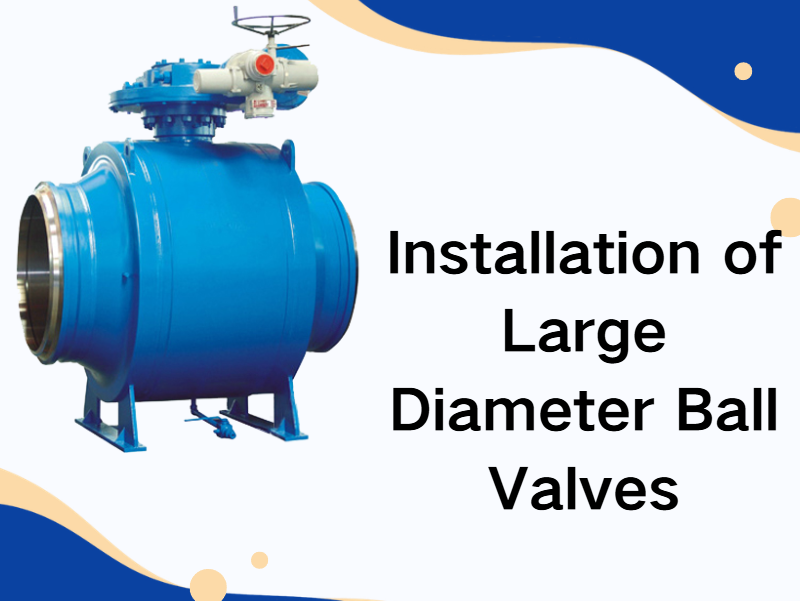
Large diameter ball valves are commonly used in industries such as petroleum and chemical processing, power generation, long-distance pipeline transportation, and large-scale water treatment systems. If installation is not performed correctly, it may lead to sealing leakage, valve jamming, or structural stress damage. Therefore, proper installation practices are essential to ensure long-term stable operation. 1. Pre-installation Inspection If pre-installation inspection is insufficient, operational failures are more likely to occur during service. First, inspect the valve body for transportation damage. If scratches, impact marks, or deformation are found on the valve body or sealing surfaces, installation should be stopped and the supplier should be contacted. Next, verify valve model, pressure rating, and connection standards. If the system design pressure does not match the valve pressure class, operational safety risks may occur. For example, if a low-pressure class valve is mistakenly used in a high-pressure pipeline system, the valve body may experience plastic deformation under water hammer impact. It is also necessary to check the condition of the ball surface and sealing rings. If there are scratches on the ball surface, sealing performance will be reduced. This is especially critical in gas transmission systems where micro-leakage is more likely. 2. Installation Direction Large diameter ball valves usually have a flow direction marking. If the installation direction is incorrect, the following problems may occur: If the fluid flow direction matches the design direction, the operating torque will remain more stable. If the valve is installed in reverse, the stem may experience increased mechanical load, which will accelerate stem wear during long-term operation. For double-seal bidirectional ball valves, although bidirectional flow is allowed, installation according to the marked flow direction is still recommended to ensure more uniform sealing stress distribution. In high-temperature or steam systems, if the installation direction is incorrect, thermal expansion may accelerate sealing ring aging. 3. Pipeline Stress Control Large diameter ball valves are heavy. If installed without proper support, additional bending moments may be transferred to flange connections. If pipeline systems experience axial displacement, pipeline supports should be installed for segmented fixation. If support structures are not provided, the valve body may bear long-term gravitational tensile load, eventually causing flange seal failure. It is generally recommended to install independent supports on both sides of large diameter ball valves. If the pipeline system is subject to thermal expansion and contraction, expansion compensation devices must be installed; otherwise, sealing surfaces may gradually fail. 4. Bolt Tightening Process Flange connections of large diameter ball valves usually ...

This year’s Dervos annual conference was noticeably more grand and well-organized than in previous years. In the morning session, each department delivered its annual work summary, reviewing key projects and achievements over the past year. Teams also openly shared the challenges encountered during implementation and the practical experience gained along the way. Through this cross-department exchange, everyone developed a clearer understanding of one another’s responsibilities and workflows, laying a stronger foundation for future collaboration and communication. In the afternoon session, the Outstanding Employee awards were presented. Each nominee shared their work achievements and practical experience, demonstrating a strong sense of responsibility and execution across different roles. It is precisely this proactive mindset, collaborative spirit, and down-to-earth working approach of Dervos employees that drives the team steadily toward its shared goals. Showing up on time every single day throughout the year — that’s quite an achievement. Ian has now received the Perfect Attendance Award for two consecutive years. During the annual conference, Dervos also presented medals and exclusive commemorative gifts to employees who have completed five years of service. Dervos values the long-term dedication and consistent commitment of its team members, and sincerely appreciates the trust and contributions they have made over the years. For many at Dervos, the company is not only a platform for professional growth, but also a stage where shared goals and collective efforts come to life. In the evening, the annual conference transitioned into the banquet segment. Performances and interactive games were seamlessly interspersed, creating a relaxed yet organized atmosphere. Laughter and cheers echoed throughout the venue, and in the moment the camera shutter clicked, the excitement and joy were captured in a single frame. Eric said: "Let’s dream together, DERVOS's dream. A dream where we all play a part, piece by piece, it becomes a reality." For Dervos, the annual meeting is not just about "summarizing the year," but about bringing our hearts together, strengthening our resolve in doing the same thing, and then continuing to move forward, step by step, with steady progress.
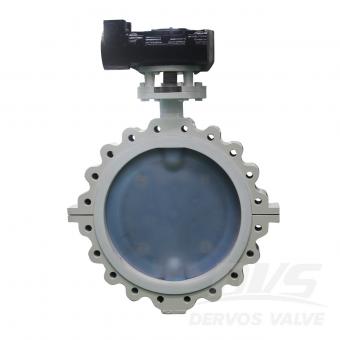
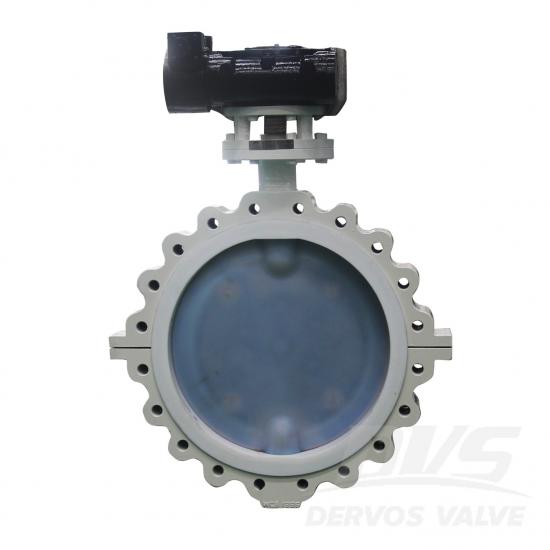
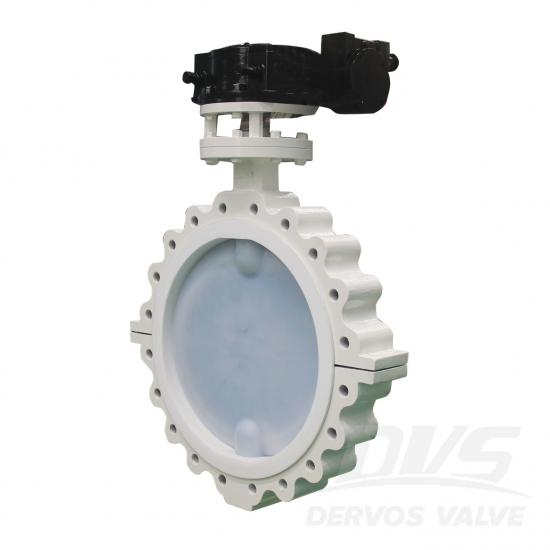
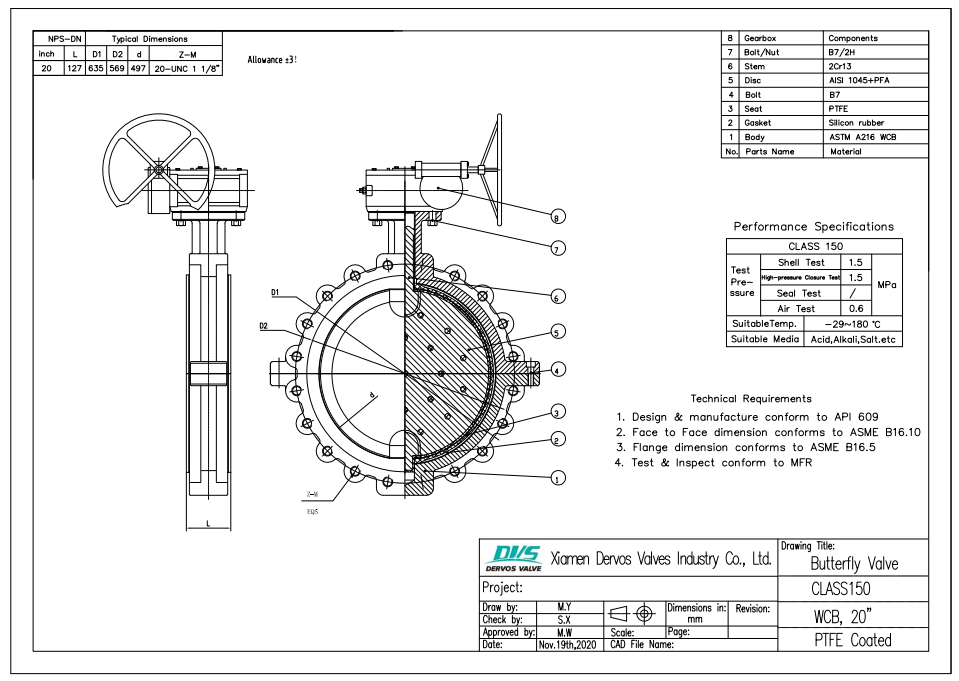
20" 150LB butterfly valve is made according to API 609 standard. The valve body is made of WCB. Its connection mode is Lug. And it has turbine operation mode.
Payment:
30% when order confirmed, 70% before shipmentProduct Origin:
ChinaColor:
CustomizationShipping Port:
Shanghai, ChinaLead Time:
30~60 days Ex Works after order confirmationMaterial:
ASTM A216 WCBMethod of Operation:
Turbine OperationProduct Description
|
Type |
Butterfly Valve |
|
Size |
20" |
|
Pressure |
150LB |
|
Connection |
Lug |
|
Operation |
Turbine Operation |
|
Body Material |
ASTM A216 WCB |
|
Design Norm |
API 609 |
|
Face to Face Dimension |
ASME B16.10 |
|
Flange Dimension |
ASME B16.5 |
|
Test & Inspection Code |
MFR |
|
Temperature |
-29 ~ 180°C |
|
Applicable Medium |
Acid, Alkali, Salt, etc. |
Features
1. Modular design, convenient for maintenance and replacement, and cost saving;
2. Effectively eliminate leakage and make the valve achieve the best sealing effect.
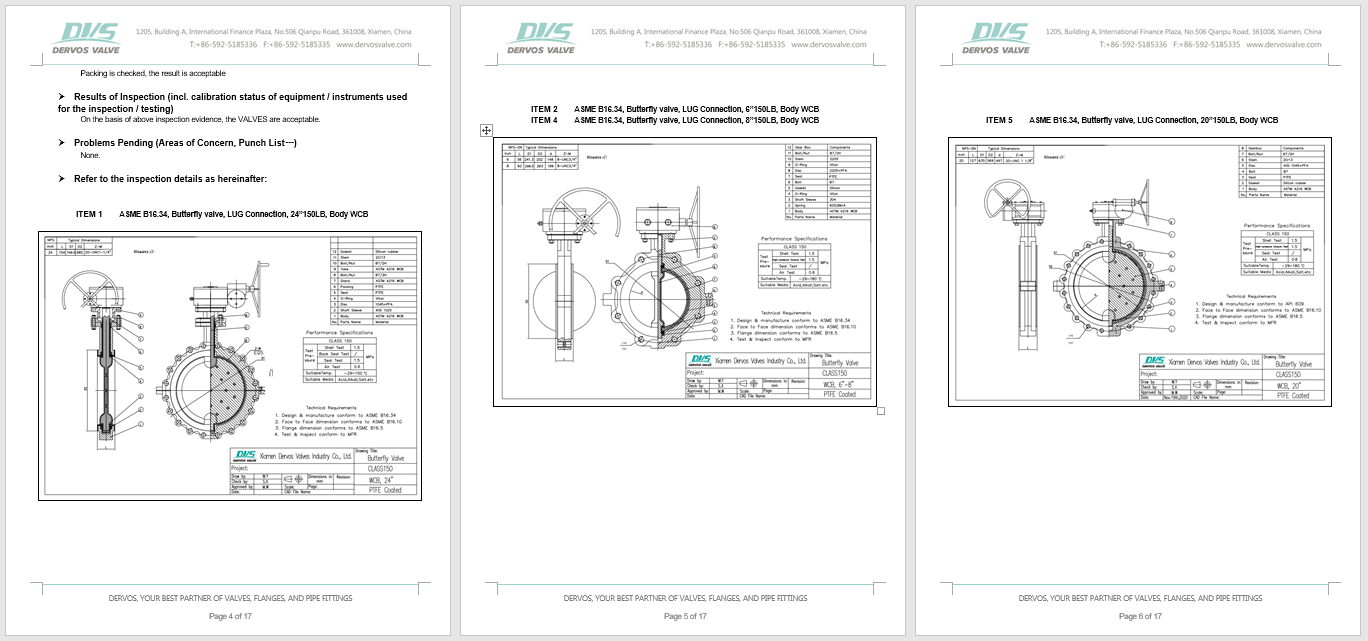
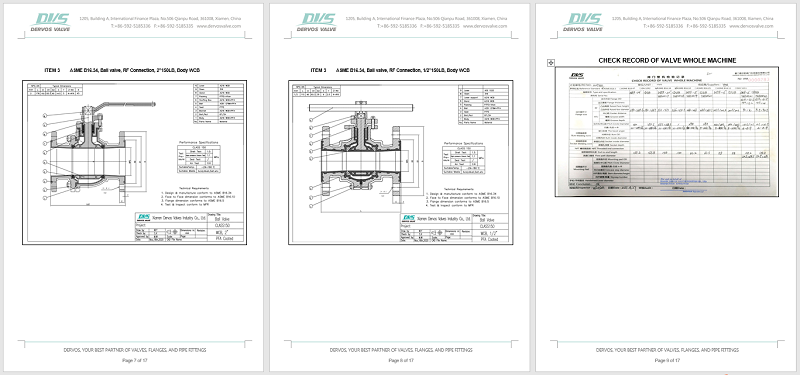
Technical Drawing
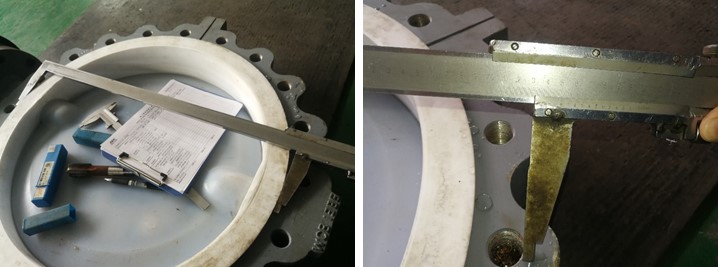
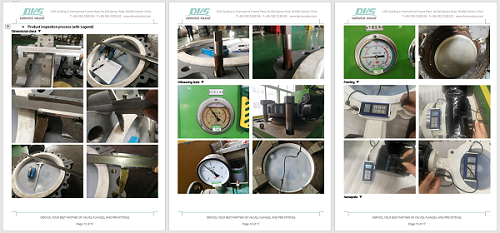
Dimension Checking
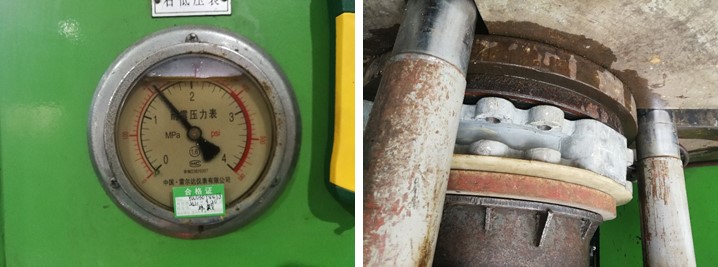
Pressure Testing
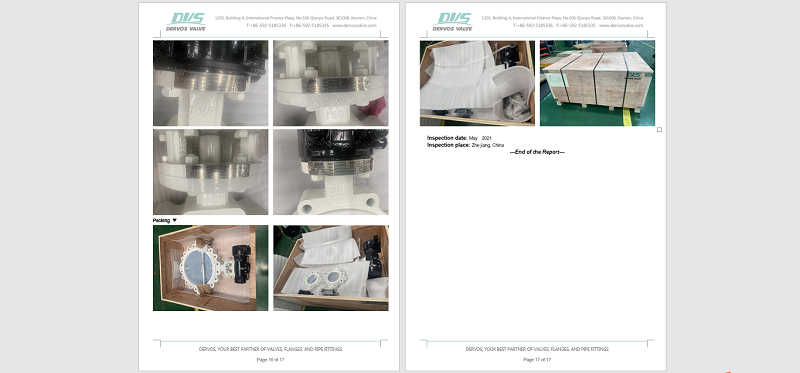
Painting
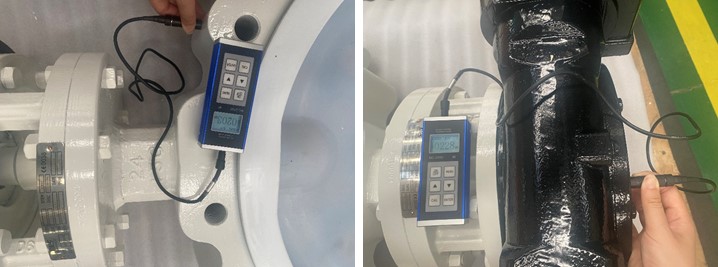
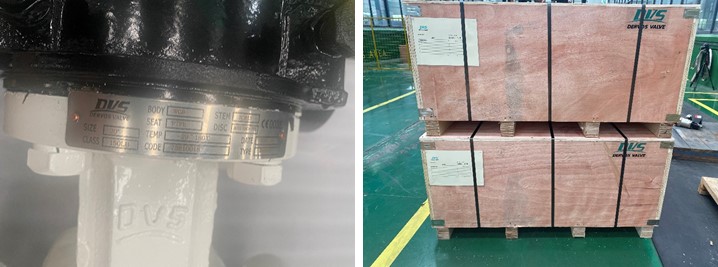
Nameplate & Packing
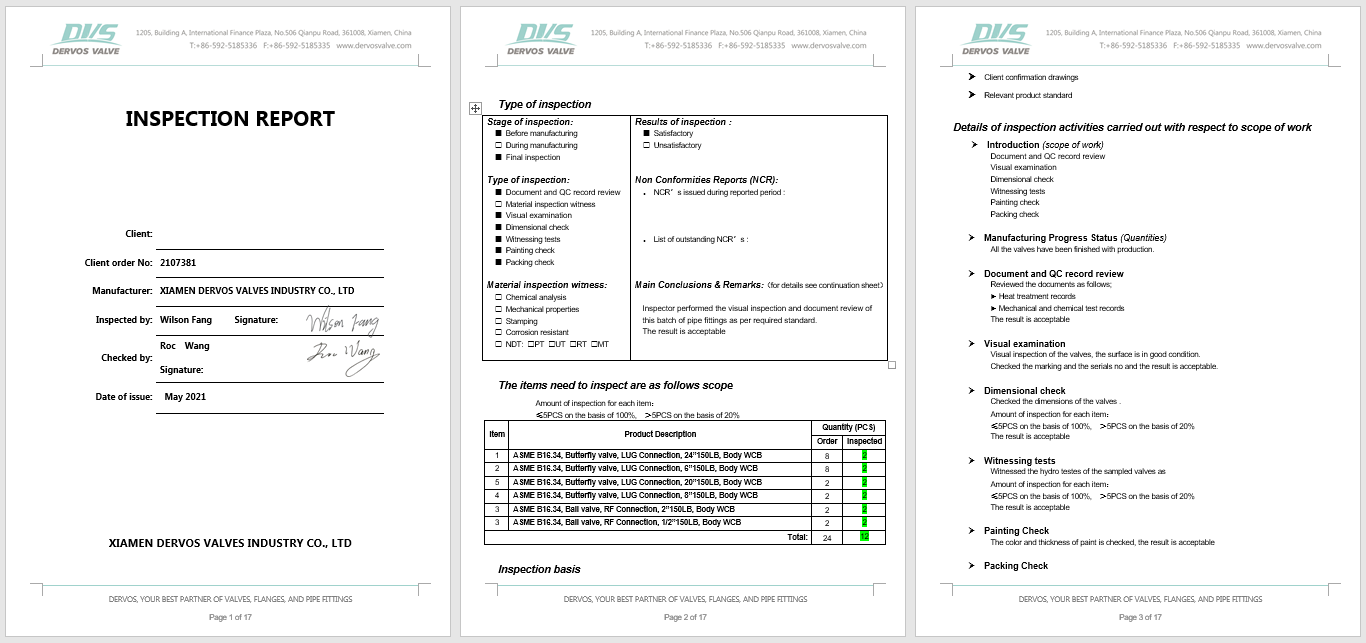
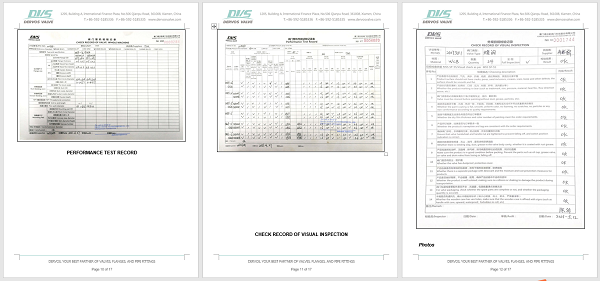
Inspection report
If you are interested in our products and want to know more details,please leave a message here,we will reply you as soon as we can.
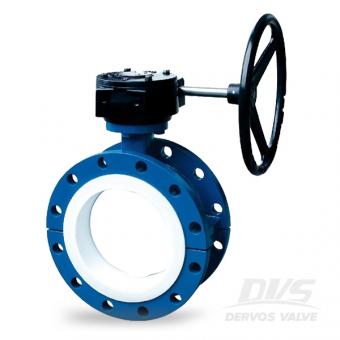
The PTFE fully lined butterfly valve is made of cast iron body and with gearbox operation. The 14 inch flanged valve has concentric type structure. Quick Detail Type Butterfly Valve Size 14'' Design Pressure 150LB Construction Concentric Type, PTFE Lined Connection Type Double Flanged Operation Gear Operated Design Code API 609 Face to Face ASMEB16.10 End Connection ASMEB16.5 Test & Inspection API 598 Body Material Cast Iron GGG40 Temperature Range -15℃~+150℃ Application Water, Oil, Gas Related Knowledge What is the advantage of fully lined butterfly valve? The main advantage of lined butterfly valve is that it can handle abrasive and corrosive application at a relatively lower cost. The PTFE or PFA flexible seat provide a zero leakage sealing performance. Plus, the lined material PTFE has strong corrosion resistance, stable performance, low friction coefficient, which make the lined butterfly valve has a long service life. How does Dervos control quality of raw material? Raw material plays an important role in product quality. Likewise, casting and forging affect valve quality a lot. That is why Dervos pay a lot of attention to foundries. We have an approval list of foundries and classify them by certificates, scale, process and materials. To meet different requirements from customers, we could even appoint suitable foundries for our customers.
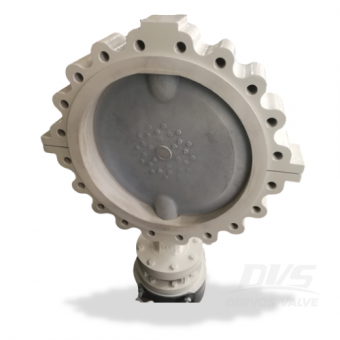
This 20 inch butterfly valve is plastic lined type one. Its PFA lined disc and its PTFE seat ring enable it a excellent corrosion resistant performance. With a gearbox, it is easy to drive.

DN80 PN25 Cast Steel gate valve is made according to BS EN 1984 standard. The valve body is made of EN 10213 1.0619. It has the structural characteristics of insulation jacket with DN15 small flange. Its connection mode is EN1092-1 B. And it has Hand Wheel operation mode.
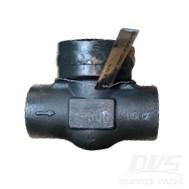
1" 800LB check valve is made according to API 602 standard. The valve body is made of A105N+STL. It has the structural characteristics of half spherical, welded valve cover. Its connection mode is SW.
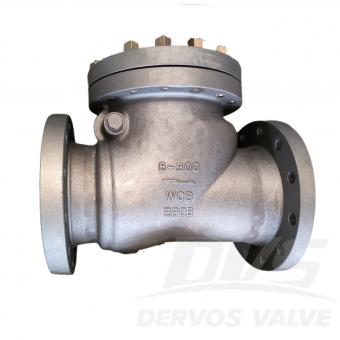
8 Inch 300LB Cast Steel Swing Check Valve is made according to API 6D standard. The valve body is made of ASTM A216 WCB. It has the structural characteristics of Swing Type, External Pin. Its connection mode is RF.
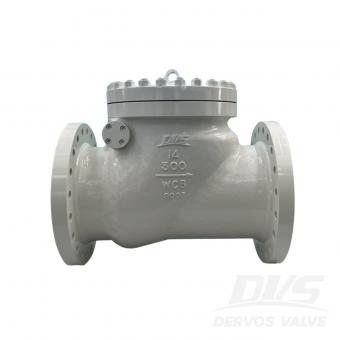
14" CL300 swing check valve is made according to API 6D standard. The valve body is made of ASTM A216 WCB. It has the structural characteristics of swing type and BC. Its connection mode is RF.
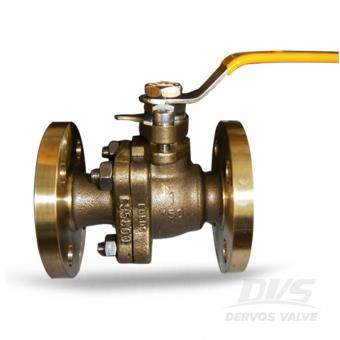
The 1 inch floating type ball valve is made of aluminum bronze C95800. The reduced bore ball valve has lever operation, RF flange, two piece type body. Quick Detail Type Ball Valve Size 1" Pressure ANSI 150 Construction Floating Ball, 2-Piece Body, Side Entry, Reduced Bore Connection Flanged End Operation Lever Operation Body Material Aluminum Bronze ASTM B148 C95800 Media W.O.G Available Modifications for Ball Valve -Nominal Pressure -Valve Size -Reduced Port & Full Port -Material of Body, Ball, Stem, Seat, Packing, Bolt and Nut -Valve Operation (Lever, Gearbox, Pneumatic or Hydraulic or Electric Actuator) -End Connection Type -Available Extended Stem -Customized Coating & Packaging -Modifications of Drain Port Dervos Packaging Good packing means good first impression. Just imagine how do you feel differently when seeing two boxes below? And you will know the reason why in Dervos we value packaging so much. In Dervos, we make sure- 1.Every valve is clean and dry. What do we do? -Clean the valve before packing -Add anti-rust oil -Add flange cover 2.No damage to valves in delivery. How do we achieve this? -Fix the valve with iron wire -Separate the valve with soft material -Layer the valve with plywood 3.Strong box and clear shipping mark

1" 600LB globe valve is made according to API 602 standard. The valve body is made of ASTM A105N+STL. It has the structural characteristics of bolt cover, straight through type. Its connection mode is RF. And it has hand wheel operation mode.
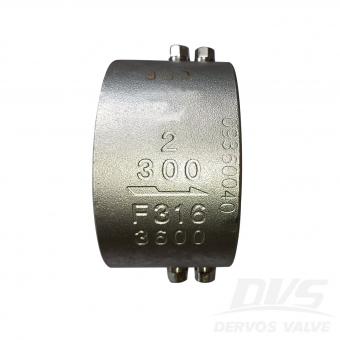
2" 300LB dual plate wafer check valve is made according to API 594 standard. The valve body is made of A182 F316. It has the structural characteristics of double disc. Its connection mode is RF.
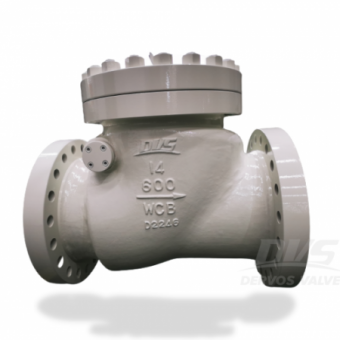
Chinese manufacturer Dervos offers 14 Inch swing check valves made according to API 6D. Other features cover CL300, RF End Connection, WCB body.
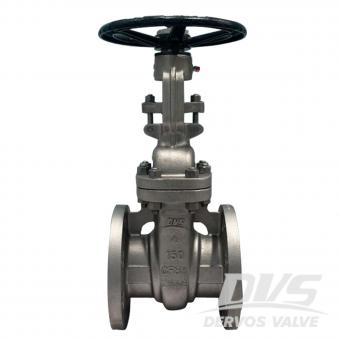
4" 150LB gate valve is made according to API 603 standard. The valve body is made of ASTM A351 CF8M+STL. It has the structural characteristics of bolt cover, elastic wedge and rising stem. Its test and inspection conform to API 598, and its operation mode is handwheel operation.
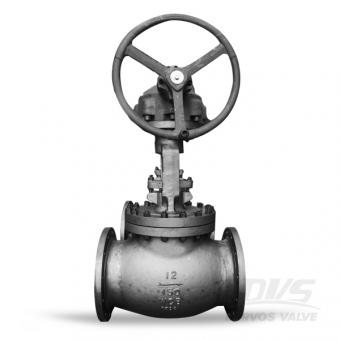
The 12 inch 150 LB cast steel globe valve is made of carbon steel WCB body and trim 8, with gearbox, RF flange, BB, and plug disc. Quick Detail Type Globe Valve Size 12'' Pressure Class 150 Construction Bolted Bonnet, Straight Pattern,Plug Disc, OS&Y Connection Flanged Connection Operation GearOperated Design Code BS 1873 Face to Face ASME B16.10 Flange Connection ASME B16.5 Pressure & Temp ASME B16.34 Test & Inspection API 598 Body Material A216 WCB TrimMaterial Trim 8 Temperature Range -29℃~+427℃ Application WOG Origin China Dimension Class 150 NPS in 2 2 1/2 3 4 5 6 8 10 12 DN mm 50 65 80 100 125 150 200 250 300 L-L1 (RF-BW) in 8 8-1/2 9-1/2 11-1/2 14 16 19-1/2 24-1/2 27-1/2 mm 203 216 241 292 256 406 495 622 698 L2 (RTJ) in 8-1/2 9 10 12 14-1/2 16-1/2 20 25 28 mm 216 229 254 305 368 419 508 635 711 L3 mm 102 108 121 146 178 203 248 311 349 H (OPEN) in 14-11/16 15-3/8 16-9/16 20-1/4 21-3/16 22-5/15 24-5/8 28 39 mm 373 390 421 515 538 567 626 712 990 W in 7-7/8 9-7/8 9-7/8 11-13/16 11-13/16 13-3/4 15-3/4 17-3/4 24 mm 200 250 250 300 300 350 400 450 610 WT (kg) RF 22 29 42 64 77 105 154 288 507 BW 19 25 34 49 65 82 131 249 430 Related Knowledge What is the difference between a gate valve and a globe valve? Gate valves and globe valves are two of the most common valves we know. The differences beween them are: 1.Gate valve is used only for on-off function. But the globe valve could be used for shutting off and throttling at the same time. 2.The flow resistance of a globe valve is larger than a gate valve. Likewise, globe valves have more pressure drop than gate valves. 3.The gate valve require larger installation space than a globe valve from the perspective of opening height. 4.The gate valve sealing face suffers more abrasion than a globe valve. 5.The torque value of a globe valve is larger than a gate valve. Quality Checking Quality means everything in Dervos. Quality checking team will do inspections according to standard procedure and provide reports. Our QC team will check valve quality from casting and forging, machining, pressure testing, dimension checking, painting & packing.
Copyright © 2015-2026 DERVOS VALVE CO.,LTD.All Rights Reserved Blog / Sitemap / XML / Privacy Policy