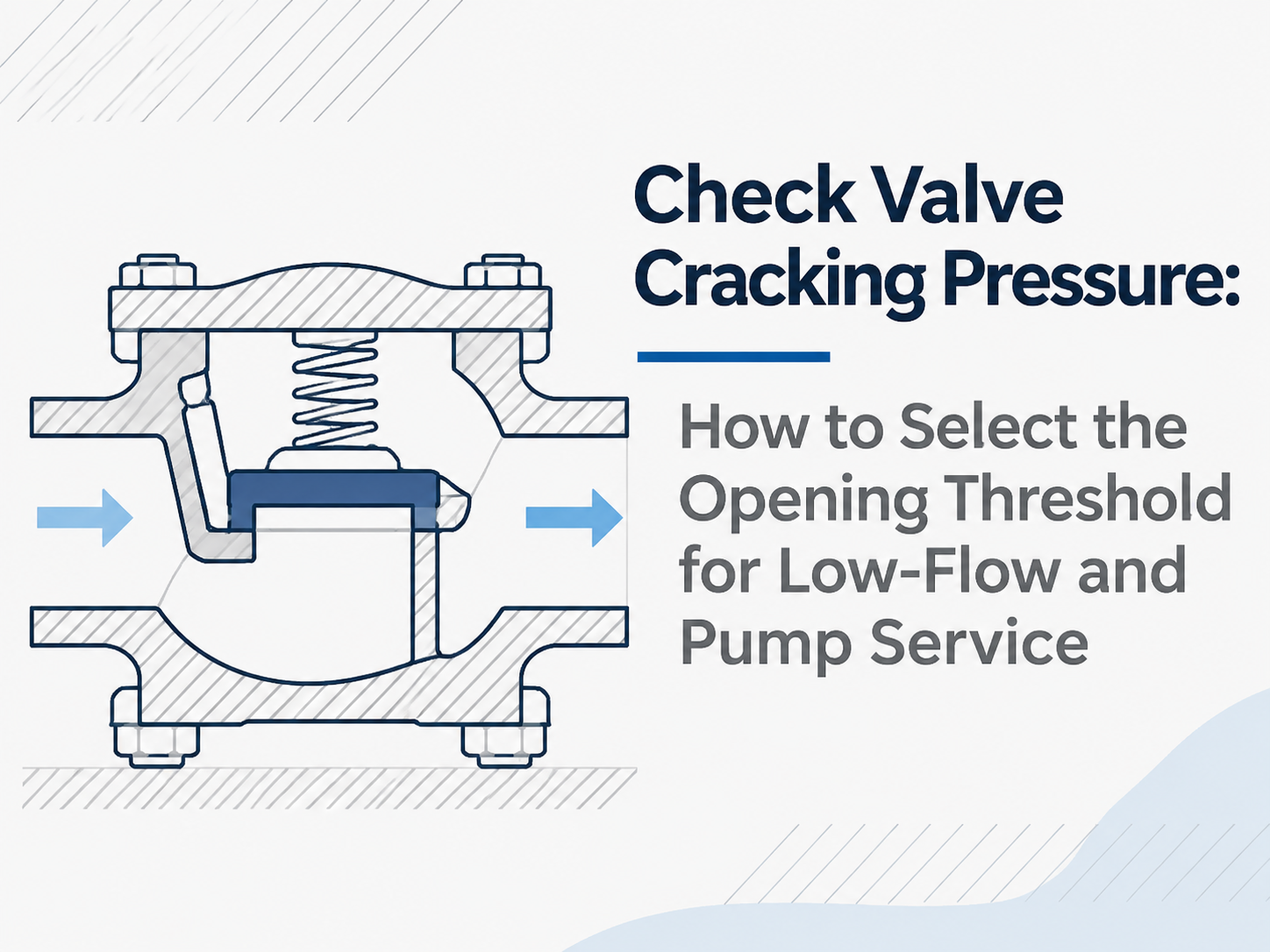
A check valve can begin to pass fluid and still be far from a stable open position. Check valve cracking pressure is therefore the threshold for first detectable flow, not the full-open pressure drop or proof of reliable minimum-flow operation. For low-flow and pump service, the opening threshold is acceptable only when the system can exceed it in the worst forward-flow case. The selection must then pass three separate checks: stable valve travel at minimum flow, acceptable pressure loss at normal and maximum flow, and timely closure when the pump stops. Start with the Worst Available Differential Pressure Parker defines cracking pressure as the upstream pressure at which detectable flow is measured, while Swagelok notes that first flow does not mean the valve is fully open. The relevant system value is not pump discharge pressure alone, but the pressure difference across the valve when it must open. For an initial screen: Available opening ΔP = minimum upstream pressure at the valve − maximum downstream pressure at the valve If the pressures come from remote points, correct them for elevation and line losses. Evaluate the least favorable credible case, such as a variable-speed pump starting at low speed or a standby pump opening against a live common header. The maximum guaranteed cracking pressure of the offered valve should be below this available ΔP, with an engineering allowance for manufacturing tolerance, temperature, orientation, deposits and measurement uncertainty. There is no defensible universal allowance. A nominal value alone is insufficient because catalog cracking pressure may be specified as a range, and a valve left idle may initially require a higher differential than it does after cycling. Low Cracking Pressure Does Not Solve Low-Flow Instability After the closure member lifts, more differential pressure and flow force are needed for stable travel. An oversized valve may crack open but hover near the seat because velocity is too low, causing clicking, flutter, impact and accelerated wear. Swagelok’s service guidance identifies excessive spring cracking pressure and excessive valve size as possible causes of chatter near the threshold. Size from the operating envelope rather than automatically matching the pipe diameter. Ask the supplier to evaluate three points for the exact size, spring and trim: Operating point Required evidence Minimum continuous flow Stable-open position, minimum stable flow or velocity, and corresponding ΔP Normal flow Model-specific pressure-drop curve or validated flow coefficient Maximum flow Peak ΔP, velocity limits, erosion risk and acceptable travel Cracking pressure answers “When does motion begin?” The flow curve and stable-flow limit answer “Will the valve remain open without damaging itself?” Pump Opening and Pump Shutdown Are Different Design Cases At s...
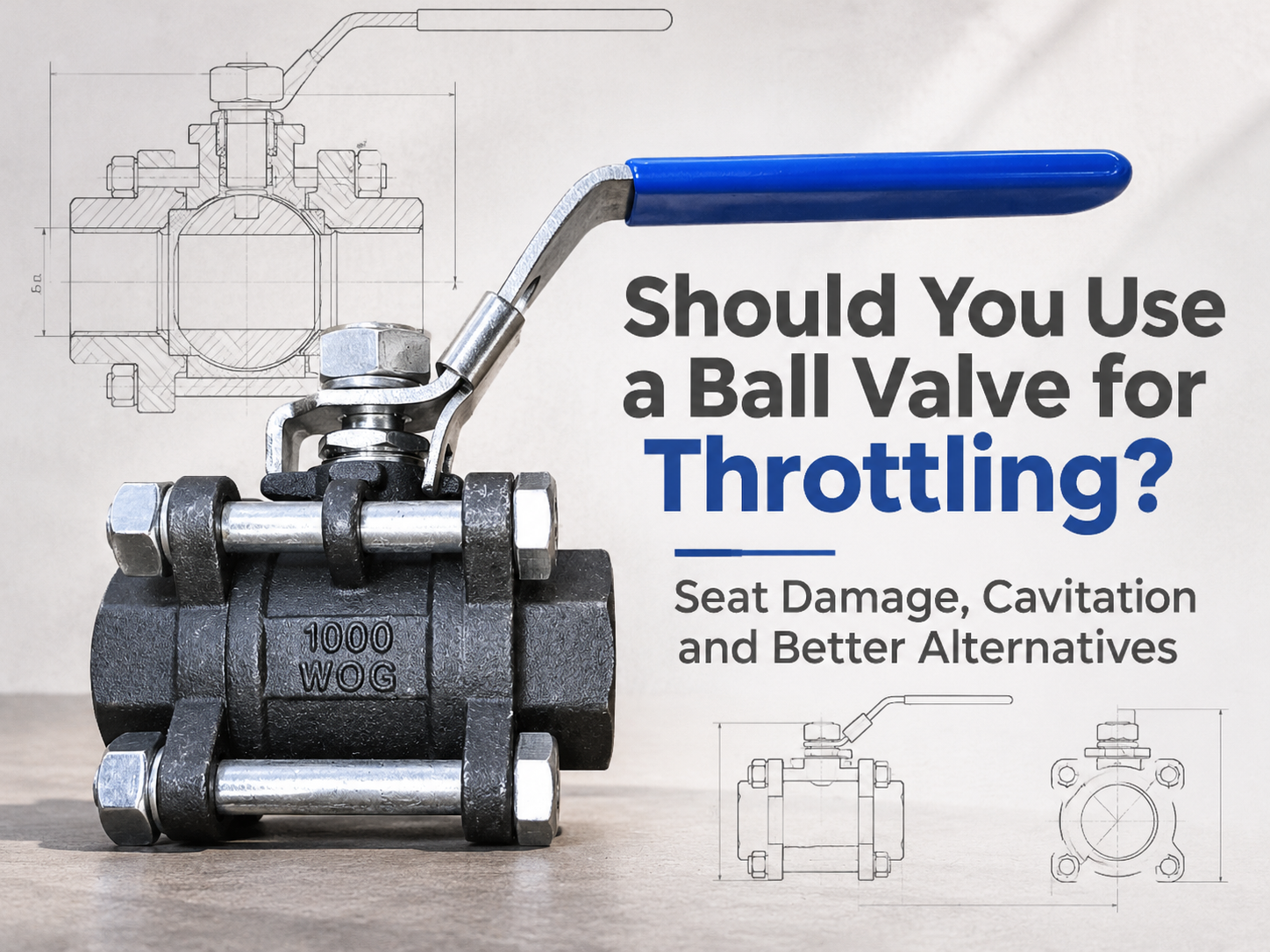
A standard on-off ball valve should not be the default choice for continuous throttling. It can restrict flow, but that does not make it a control valve. Holding it partly open can expose the seat to a concentrated high-velocity jet, produce unstable control and, in liquid service, create cavitation. Brief restriction during start-up or shutdown may be acceptable if the manufacturer permits it. Regular modulation requires a valve designed and sized for that duty. A Part-Open Ball Puts the Seat in the Flow Path When a standard ball valve is fully open, the bore provides a relatively straight flow path. As the ball rotates toward closed, the opening becomes a narrow, changing shape. Velocity rises through this restriction, and the emerging jet can pass close to the downstream seat edge and body cavity. That matters because the seat performs the shutoff function. A soft seat may deform, cut or erode under high velocity, heat and entrained solids. A metal seat may tolerate harsher conditions, but hardness alone does not provide a suitable control characteristic or prevent local erosion. Damage often appears later as increased shutoff leakage, even though the valve still moves normally. Control quality is another limitation. A conventional full-port ball may pass a large increase in flow over a small change in travel once it begins to open. The actuator can therefore hunt around a narrow angle instead of positioning smoothly across a useful range. A positioner cannot correct an unsuitable valve characteristic. Cavitation Depends on the Local Pressure, Not Just Line Pressure Cavitation is possible when liquid accelerates through the restriction and its local pressure falls below the liquid's vapour pressure. Vapour bubbles then form. If pressure recovers above vapour pressure downstream, the bubbles collapse and release damaging energy near the valve or downstream pipe. Ball valves are generally high-recovery valves: much of the pressure lost at the narrowest flow area is recovered downstream. That means the minimum internal pressure can be considerably lower than the measured outlet pressure. A moderate-looking inlet-to-outlet pressure drop may therefore hide a more severe pressure dip inside the valve. Noise resembling gravel, vibration and rough pitting are warning signs, but sound alone is not a design method. The evaluation needs minimum, normal and maximum flow; upstream and downstream pressure at each case; fluid temperature and vapour pressure; density; solids content; valve size; and the manufacturer's pressure-recovery and sizing data. If downstream pressure remains below vapour pressure, the condition is flashing rather than cavitation and requires a different damage assessment. A Ball Valve Can Throttle When It Is a Control Valve A V-port or segmented ball introduces a shaped opening that gives a more predictable relationship between travel and flow. Correctly sele...
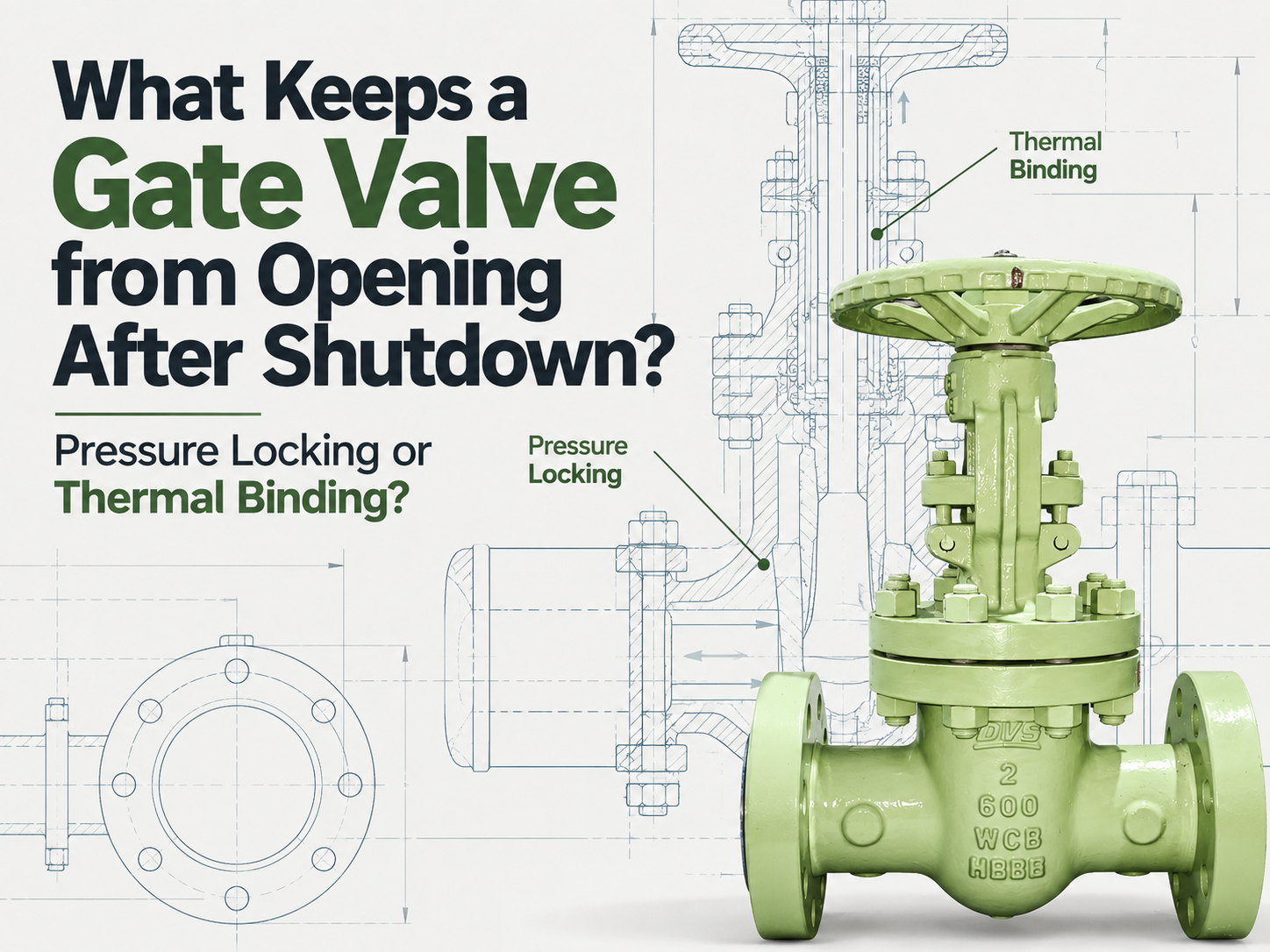
A gate valve that will not open after shutdown may be pressure locked or thermally bound, and the shutdown history usually separates the two. Pressure locking means pressure is trapped in the bonnet cavity; thermal binding means a hot-closed wedge has developed mechanical interference during cooldown. Neither is an automatic reason to raise the actuator torque setting. Pressure Locking Starts in the Bonnet Cavity Pressure locking can affect flexible-wedge and double-disc gate valves when liquid enters the bonnet cavity during operation or through slight seat movement or leakage. Once the valve is closed, that liquid may be trapped between the two seating boundaries. The problem develops when cavity pressure exceeds the pressure on both sides of the closed gate. The line may have been depressurised after the cavity filled at operating pressure, or trapped liquid may have heated and expanded. The resulting load forces the closure element against both seats, leaving normal actuator thrust insufficient to start opening. A failed opening after line depressurisation, or after the closed valve was heated, points toward pressure locking. Where an approved connection permits measurement, bonnet pressure is stronger evidence than high motor current or a torque trip alone. Thermal Binding Follows Hot Closure and Cooldown Thermal binding follows a different sequence. A wedge gate valve is seated hot and the system cools before the next opening command. Unequal contraction of the body and wedge can increase mechanical interference at the seats. Solid wedges are particularly susceptible, although large temperature changes can also affect flexible wedges. This mechanism does not require an overpressurised cavity. Its strongest clue is timing: the valve closes normally at operating temperature but refuses to open after cooldown. Behaviour that changes as temperature returns toward the closing condition supports the diagnosis, but deliberate reheating requires an approved procedure. Uncontrolled external heating is unsafe. Reconstruct the Shutdown Before Touching the Torque Switch Start with the pressure and temperature timeline. Record when the valve closed, whether either side was later drained or depressurised, whether the body remained exposed to heat, and the temperature at the failed opening attempt. Confirm the gate design from drawings or manufacturer records; solid-wedge, flexible-wedge and double-disc designs do not share the same susceptibility. Rule out ordinary faults such as lost power or pressure, wrong limit or torque-switch settings, stem or packing friction, gearbox damage, corrosion and debris. Actuator alarms and the point where movement stopped help distinguish a drive problem from a gate held at the seats. Do not bypass the torque switch or repeatedly hammer the valve open. Extra thrust may bend the stem, damage the seats or overload the gearbox. A larger actuator d...
Payment:
30% when order confirmed, 70% before shipmentProduct Origin:
chinaColor:
CustomizationShipping Port:
Shanghai, ChinaLead Time:
30~60 days Ex Works after order confirmationMaterial:
ASTM A216 WCB+STLMethod of Operation:
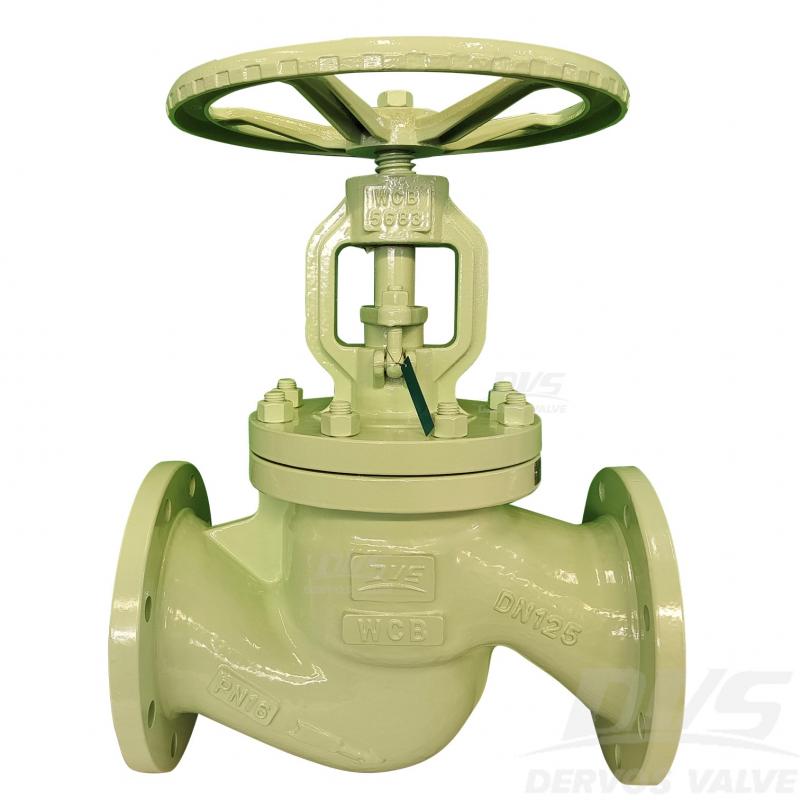
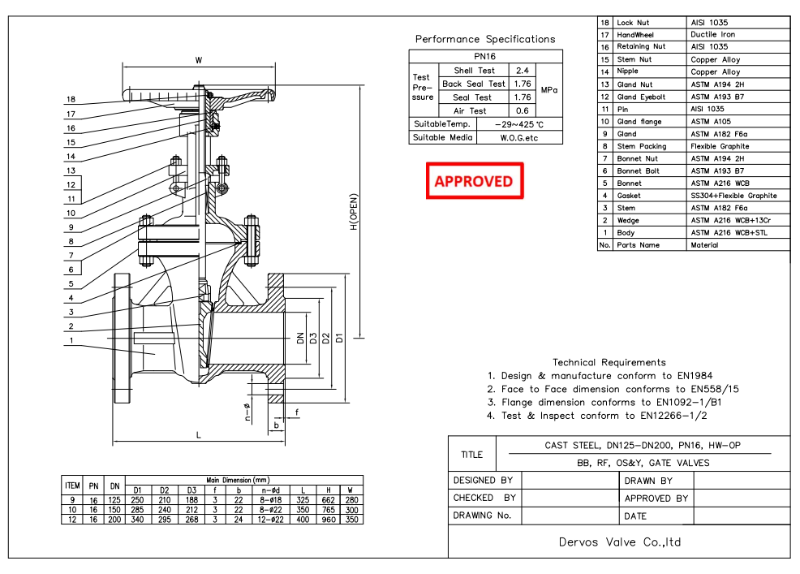
handwheelDN125 PN16 Cast Steel Gate Valve is made according to EN1984 standard. The valve body is made of WCB. It has the structural characteristics of Bolted bonnet, rising stem, yoke, flexible wedge. Its connection mode is EN1092-1 B. And it has Hand wheel operation mode.
|
Type |
Cast Steel Gate Valve |
|
Size |
DN125 |
|
Pressure |
PN16 |
|
Connection |
EN1092-1 B |
|
Operation |
Hand wheel |
|
Body Material |
ASTM A216 WCB+STL |
|
Design Norm |
API 6D |
|
Face to Face |
EN558/15 |
|
Flange dimension |
EN1092-1/B1 |
|
Test & Inspection Code |
EN12266-1/2 |
|
Temperature |
-29 ~ 425°C |
|
Applicable Medium |
Water, Oil and Gas |
1. Cast steel WCB body provides reliable strength and durability for general industrial service.
2. Handwheel-operated design complies with EN 1984 requirements for gate valve construction and performance.
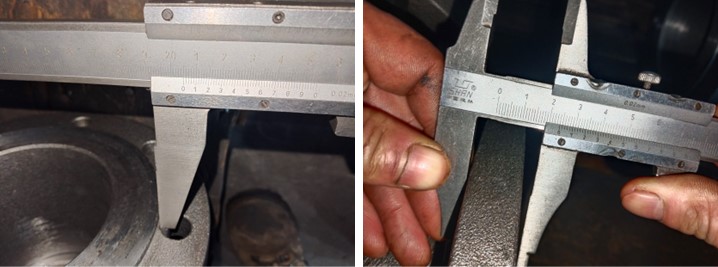
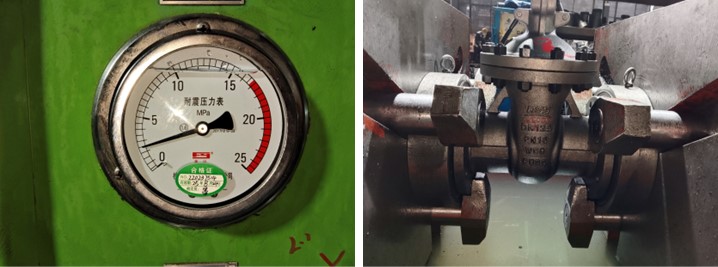
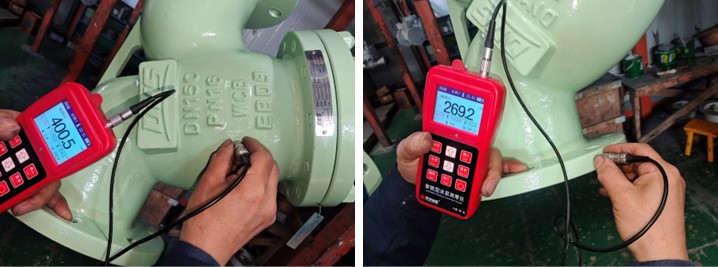
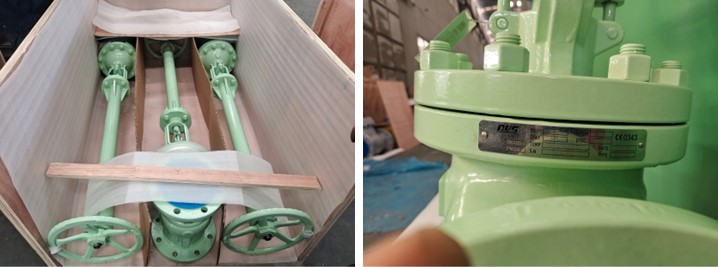
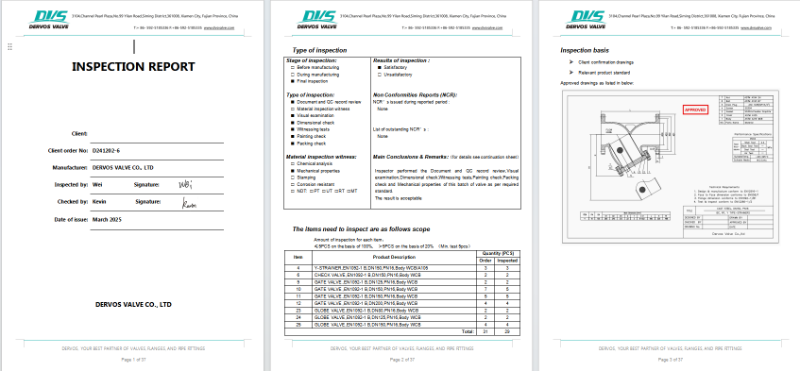
If you are interested in our products and want to know more details,please leave a message here,we will reply you as soon as we can.
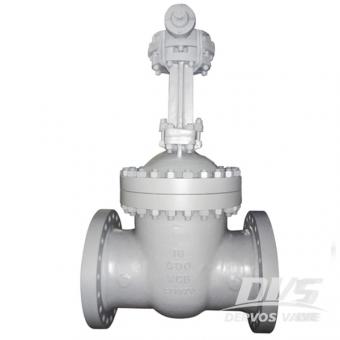
The 16 inch cast steel gate valve with gearbox and 600LB RF flange is designed as per API 600. The bolted bonnet gate valve features in rising stem, resilient wedge and metal seat. Quick Detail Type Gate Valve Size 16" Pressure Class600 Construction Bolted Bonnet, Rising Stem, OS&Y, Flexible Wedge, Metal Seat Connection RF Flange Operation Gearbox Design Code API 600 Face to Face ASME B16.10 Flange End ASME B16.5 Pressure & Temp ASME B16.34 Test & Inspection API 598 Body Material A216 WCB TrimMaterial Trim 5 Temperature Range -29℃~+425℃ Medium Water, Oil and Gas Origin China Dimension & Material Class 600 NPS in 2 2 1/2 3 4 6 8 10 12 14 16 18 20 24 DN mm 50 65 80 100 150 200 250 300 350 400 450 500 600 L-L1 (RF-BW) in 11.5 13 14 17 22 26 31 33 35 39 43 47 55 mm 292 330 356 432 559 660 787 838 889 991 1092 1194 1397 L2 (RTJ) in 11.625 13.125 14.125 17.125 22.125 26.125 31.125 33.125 35.125 39.125 43.125 47.25 55.375 mm 295 333 359 435 562 664 791 841 892 994 1095 1200 1407 H (OPEN) in 18.625 21.75 23.375 28 1/16 38 3/16 44 3/16 52.375 59 13/16 68.125 72.25 90.125 98 13/16 119 mm 474 553 593 713 970 1122 1330 1519 1730 1835 2290 2510 3022 W in 9.875 9.875 11 13/16 13.75 19 11/16 22 1/16 28.375 24 24 24 24 30 30 mm 250 250 300 350 500 560 720 610* 610* 610* 610* 760* 760* WT (kg) RF 41 58 88 131 253 413 623 784 1288 1820 2150 2540 4080 BW 35 50 68 104 208 328 496 637 1120 1448 1828 2201 3360 *Manual gear operator is recommended No Part Name Carbon steel to ASTM Alloy steel to ASTM Stainless steel to ASTM WCB LCB WC6 WC9 C5 CF8 CF8M CF3 CF3M 1 Body A216 WCB A350 LCB A217 WC6 A217 WC9 A217 C5 A351 CF8 A351 CF8M A351 CF3 A351 CF3M 2 Seat Ring A105 A350 LF2 A182 F11 A182 F22 A182 F5 A182 F304 A182 F316 A182 F304L A182 F316L 3 Wedge A216 WCB A350 LCB A217 WC6 A217 WC9 A217 C5 A351 CF8 A351 CF8M A351 CF3 A351 CF3M 4 Stem A182 F6 A182 F6 A182 F304 A182 F304 A182 F316 A182 F304L A182 F316L 5 Bonnet nut A194 2H A194 4 A194 7 A194 8 6 Bonnet bolt A193 B7 A320 L7 A193 B16 A193 B8 7 Gasket SS Spiral Wound graphite or SS Spiral Wound PTFE 8 Bonnet A216 WCB A352 LCB A217 WC6 A217 WC9 A217 C5 A351 CF8 A351 CF8M A351 CF3 A351 CF3M 9 Backseat bushing A182 F6 A182 F6 A182 F304 A182 F304 A182 F316 A182 F304L A182 F316L 10 Stem packing Graphite or PTFE 11 Lantern A182 F6 A182 F6 A182 F304 A182 F304 A182 F304 A182 F304 A182 F316 A182 F304L A182 F316L 12 Gland Nut A194 2H A194 8 13 Gland Eyebolt A193 B7 A193 B8 14 PIN Carbon steel or Stainless Steel 15 Gland A182 F6 A182 F304 A182 F316 A182 F304L A182 F316L 16 Gland Flange A216 WCB A351 CF8 17 Stem Nut A439 D2 or B148-952A 18 Nipple Carbon steel or Stainless Steel 19 Retaining Nut Carbon steel 20 Hand Wheel Ductile Iron or carbon steel 21 Name Plate Stainless steel or Aluminum 22 H.W.Lock Nut Carbon steel
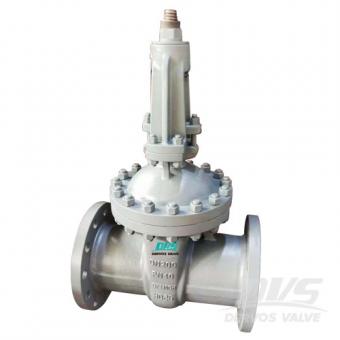
Bolt bonnet Gate valve follow EN1984 design standard, raised face flanged connection, outside screw and yoke, handwheel operation, GP240GP body/bonnet/wedge material, F6a stem, metal seal/seated. Quick Detail Type Gate Valve Size DN200 DesignPressure PN40 Construction Bolt Bonnet Gate Valve Connection Type Raised Face Flange Connection Operation Handwheel Design Code EN 1984 Face to Face DIN 3202 End Connection EN 1092-1 Test & Inspection EN 12266-1 Body Material GP240GH Temperature Range -29~425℃ Application WOG
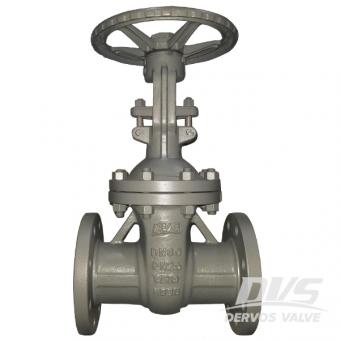
The DN80 PN25 gate valve is designed as per EN 1984. With common parts of a valve, like bolted bonnet, outside yoke and handwheel, its body is made of 1.0619 and 13Cr. Other parts including body, bonnet,seat and others are promised to be traceable. Quick Detail Type Gate Valve Nominal Diameter DN80 NominalPressure PN25 Construction B.B ; OS&Y Connection RF Operation Handwheel Design & Manufacture EN 1984 End to End DIN 3202 Flange End Dimension EN 1092-1 Test & Inspection EN 12266-1 Temperature Range -29℃~+425℃ Body Material 1.0619 +STL Wedge Material 1.0619 +13Cr Media W.O.G. Company Brief Introduction Specializing in valve industry over 10 years, Dervos becomes the leading vendor of gate, globe, check, ball, butterfly, plug valves and strainers. We serve oil and gas user such as LUKOIL, MOL, YPF with local partners. Dervos show its advantages in: 1. Our partnerships with tens of stable suppliers allow us to provide customers with a wide range of high-quality products at a competitive price. 2. Each order is under strict quality control with inspection reports before delivery. 3. We value delivery time as much as our customers do. With the powerful purchasing system, we follow each order closely to secure on-time delivery. 4. One-stop solutions will be offered in a timely manner
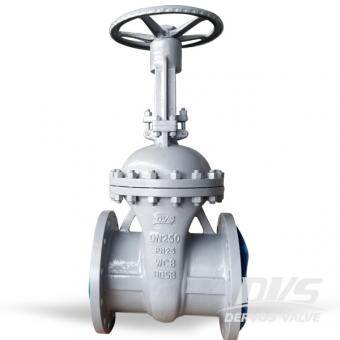
The DN250 PN25 gate valve is designed as per DIN 3352. With common parts of a valve, like bolted bonnet, outside yoke and handwheel, its body is made of WCB and STL. Valve body, bonnet,seat and other parts are promised to be traceable.
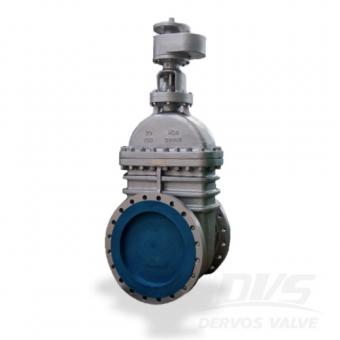
This butch of gate valves are ranged from 3 inches to 32 inches. With non-rising gate valves and solid wedge, which are not regularly found in such big sized valves, these gate valves are quite special and reliable.
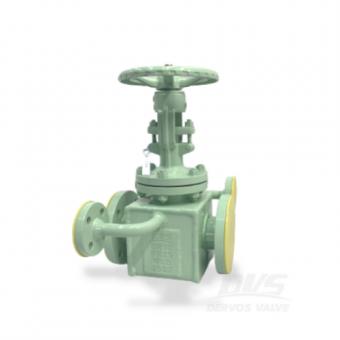
This DN50 gate valve is one of the recent batch of our fresh double heating jacketed gate valves whose diameter ranges from DN50 to DN250. The double jacket prevents the valve body from beingcorroded by insulation media.
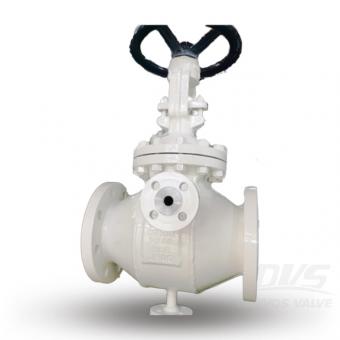
This DN50 gate valve is one of the recent batch of our fresh heating jacketed gate valves whose diameter ranges from DN50 to DN150.
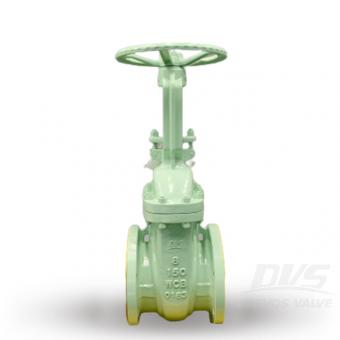
Dervos is a proud industrial API 600 cast steel gate valve manufacturer in China. Our stainless steel gate valves, carbon steel gate valves, and alloy steel gate valves are available in all trim configurations.
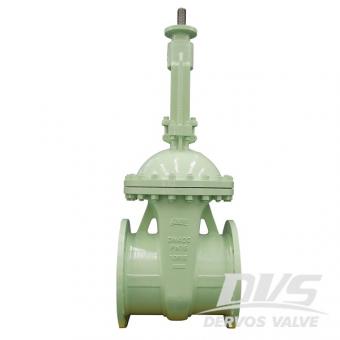
DN400 PN16 gate valve is made according to EN1984 standard. The valve body is made of 1.0619 + STL. It has the structural characteristics of rising stem and structural length of 600mm.
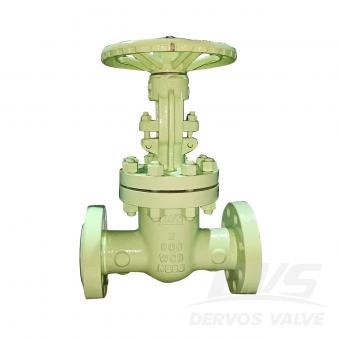
2" 600LB gate valve is made according to API 600 standard. The valve body is made of ASTM A216 WCB. It has the structural characteristics of rising stem, bracket, full bore and elastic wedge. Its connection mode is RTJ. And it has hand wheel operation mode.
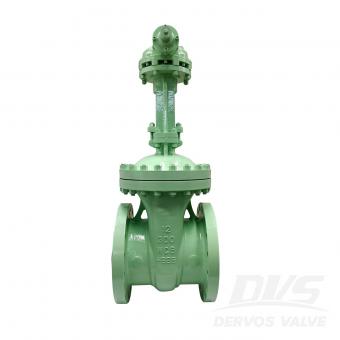
12" 300LB gate valve is made according to API600 standard. The valve body is made of ASTM A216 WCB. It has the structural characteristics of bolt cover, rising stem, elastic gate and full flow. Its connection mode is RF. And it has gearbox operation mode.
Copyright © 2015-2026 DERVOS VALVE CO.,LTD.All Rights Reserved Blog / Sitemap / XML / Privacy Policy