





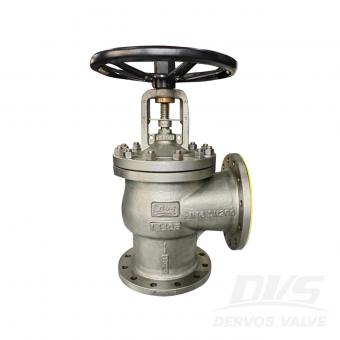
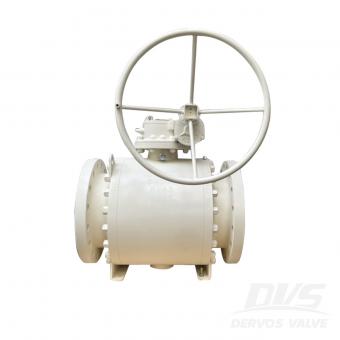
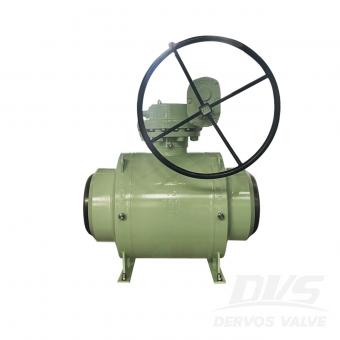
A valve is not “NACE compliant” simply because its body is WCB, A105, 316 stainless steel, or Alloy 625. Suitability depends on the actual H₂S environment, the condition of every exposed metallic part, and the specified standard edition.
1. What Does NACE MR0175 Cover?
ANSI/NACE MR0175/ISO 15156 addresses cracking resistance of metallic materials used in H₂S-containing oil and gas production and natural-gas treatment. It covers material selection and qualification, but does not replace valve design or pressure-testing standards. Refinery sour service may instead be governed by NACE MR0103/ISO 17945.
2. What Service Conditions Must Be Specified?
Provide H₂S partial pressure (or an accepted severity parameter), total pressure, water-phase conditions, in-situ pH, temperature range, chlorides, and relevant chemicals such as CO₂. Include start-up, shutdown, upset, and stagnant conditions where applicable. “Contains H₂S” alone is not enough to select a material.
3. Which Valve Materials and Components Matter?
Review the body, bonnet, stem, ball/gate/disc, seats, trunnions, springs, exposed fasteners, and welded or overlaid areas. Specify exact grades or UNS numbers, product form, heat treatment, hardness, cold work, and weld condition. A compliant body does not prove the complete valve is suitable.
4. Common Material Families: Quick Reference
| Material family | Main verification points |
|---|---|
| Carbon / low-alloy steel | Hardness, heat treatment, welding, SSC/HIC/SOHIC risks, and corrosion allowance. |
| Austenitic stainless steel (e.g., 316) | Exact alloy and condition; H₂S severity, pH, chlorides, temperature, and localized corrosion. |
| Duplex / super duplex steel | Exact UNS grade, phase balance, welding, hardness, and environmental limits. |
| Nickel-based alloys | Exact grade, product form, heat treatment, overlay coverage, and service limits. |
5. Is 22 HRC the Universal Hardness Limit?
No. A 22 HRC maximum is common in some carbon- and low-alloy-steel sour-service applications, but other alloys, components, and welds can have different requirements. Confirm the applicable limit, test method, location, and final manufacturing condition.
6. What Should Buyers Request in the RFQ?
State the MR0175/ISO 15156 edition, approved service conditions, complete bill of materials, hardness and heat-treatment requirements, welding controls, and required inspections. Ask for traceable material test reports (MTRs), PMI where specified, hardness records, welding/NDE documentation, and a component-level compliance matrix. PMI or a generic “NACE certificate” alone does not demonstrate full compliance.
Conclusion
Select a sour-service valve against one defined operating environment—not a generic “NACE” label. Verify every exposed metallic component and obtain evidence supporting the specified material and manufacturing conditions.