-
In hydraulic systems, lubrication systems, and even automotive engines, "clean oil" is the cornerstone of reliable operation. To filter out contaminants from oil, two common devices are used: oil filters and strainers. While often grouped under the umbrella term "filters" in Chinese, they serve distinct roles in engineering applications. This article dissects their differences across multiple dime...
View More
-
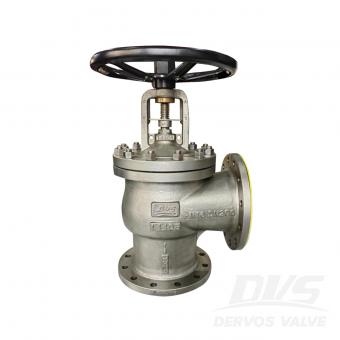
Globe valves operating under low-temperature conditions, such as liquefied natural gas (LNG), liquid oxygen, liquid nitrogen, or liquid argon, face higher demands on materials, structure, and sealing performance. In low-temperature environments, metals can become brittle, sealing materials may contract, and the valve stem area can even experience freezing blockage. Therefore, standard globe valves...
View More
-
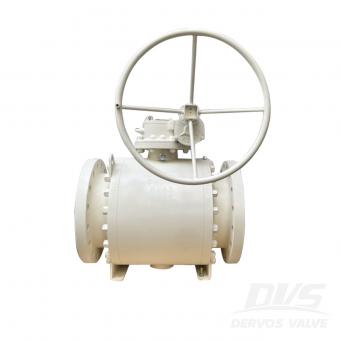
Both V-port ball valves and O-port ball valves are important types of ball valves, with clear differences in design, applicable media, and control performance. Understanding these differences helps engineers make more appropriate selections for specific applications. Design and Characteristics of V-Port Ball Valves V-port ball valves feature a distinctive partial-sphere ball design w...
View More
-
1. What Is a Valve Welding Electrode? A valve welding electrode refers to a category of welding consumables specifically used for hardfacing, repair welding, and overlay welding of valve components, including the valve body, sealing surfaces (such as valve seats and valve discs), as well as welding joints between valves and pipelines. It is not a single product, but rather a general ...
View More
-
In seawater piping systems, globe valves can be used to control and isolate fluid flow, provided that the materials and corrosion protection design are suitable for seawater service conditions. Seawater contains a high concentration of chloride ions and dissolved oxygen. If the valve material is not properly selected, corrosion can occur rapidly. Therefore, when globe valves are used in sea...
View More
-
Introduction: Why Steam Isolation Demands Specialized Valves High-temperature steam systems are the backbone of many industrial processes—from power generation to chemical processing and refinery operations. When it comes to pipeline isolation for maintenance or safety, the choice of valve can mean the difference between a routine shutdown and a catastrophic failure. Line blind v...
View More