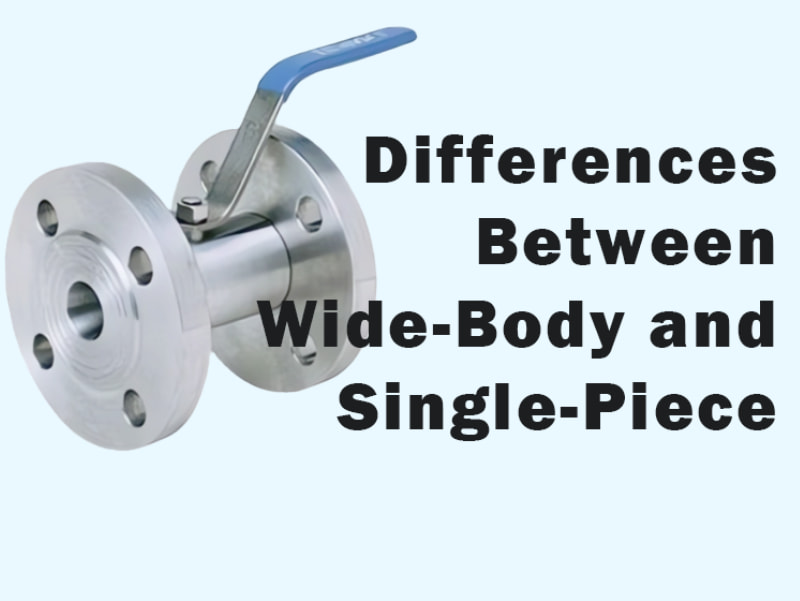
Wide-body ball valves and single-piece ball valves are both types of ball valves used for controlling the on/off flow of medium in pipelines. Both wide-body and single-piece ball valves feature a one-piece (integral) body design, unlike split-body designs. This differs from two-piece and three-piece ball valves, which have segmented valve bodies. For internally threaded wide-body ball valves, the valve body is made from round or hexagonal stock, using either bar material or forged components. The ball core features a reduced-diameter design and is inserted from one side of the valve body. The stem uses an internal anti-blowout structure. Flat surfaces are machined on both the inlet and outlet sides of the body to facilitate assembly of the ball valve and allow the use of wrenches during pipeline installation. In wide-body ball valves, the stem stuffing box is relatively shallow, and the internal packing volume is limited, resulting in a moderate sealing performance of the stem. Therefore, these valves are more suitable for low-pressure medium applications. In contrast, two-piece and three-piece ball valves feature stem stuffing box structures that provide reliable sealing for high-pressure medium applications. The structure of flanged wide-body ball valves is essentially the same as that of internally threaded wide-body ball valves. Typically, the flange is connected to the intermediate valve body via threaded fasteners, although some designs utilize a forged one-piece structure. Externally threaded wide-body ball valves can use a union-type structure, where the union is directly welded to the pipeline and connects to the external threads on the valve body. This design allows for easy disassembly and reassembly during valve maintenance or replacement without requiring separate unions on the pipeline. The valve bodies of single-piece internally threaded ball valves and single-piece flanged ball valves are manufactured using casting processes, with the ball core featuring a reduced-diameter design. The stem uses an internal anti-blowout structure. The inlet and outlet ends of single-piece internally threaded ball valves have a hexagonal shape, similar to conventional internally threaded valves, to facilitate wrench operation and secure installation. In single-piece flanged ball valves, the flange and valve body are cast as a single unit, eliminating the need to machine and assemble the flange separately as in wide-body flanged ball valves. This approach reduces cost and simplifies the manufacturing process. Single-piece wafer-style ball valves have a shorter valve body length, making them more suitable for pipelines with limited space. Wide-body and single-piece ball valves both use a reduced-diameter ball design, resulting in higher flow resistance compared with two-piece and three-piece ball valves. The main differences are as follows: Valve Body Manufacturing Process ● Wide-bo...
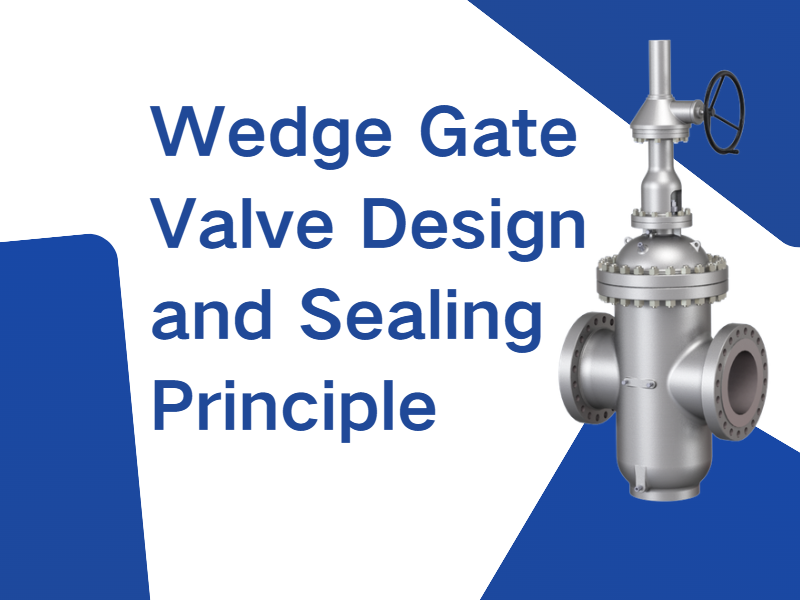
In a wedge gate valve, the gate sealing surfaces are wedge-shaped, forming a specific angle relative to the gate centerline. The gate is driven downward by the valve stem to achieve closure. As the stem thrust increases, the normal force acting on the wedge-shaped sealing surfaces also increases, creating a forced sealing effect. This design significantly improves sealing performance under low-pressure conditions. During opening, the gate sealing surfaces disengage from the seat immediately, which helps reduce wear on the sealing faces and extends the service life of the valve. Applicable Standards for Wedge Gate Valves Wedge gate valves are commonly manufactured in accordance with the following standards: ● GB/T 12234-2019 – Steel gate valves with bolted bonnet for petroleum and natural gas industries ● GB/T 12232-2005 – General-purpose flanged cast iron gate valves ● API Standard 600 (2015) – Steel gate valves for petroleum and natural gas industries Types of Wedge Gate Valve Gates Wedge gate valves are typically available in three gate configurations:Solid wedge gate, Flexible wedge gate, Double wedge gate. The flexible wedge gate and double wedge gate rely on controlled deformation of the sealing surfaces to achieve improved contact with the valve seat. This design enhances sealing reliability and effectively prevents gate binding or jamming caused by temperature variations, ensuring smooth operation even under fluctuating thermal conditions. Parallel Slide Gate Valve Design and Sealing Principle In a parallel slide gate valve, the sealing surfaces at both the inlet and outlet ends of the gate are parallel to the gate centerline. For single-gate configurations, sealing is primarily achieved by the medium pushing a floating gate or floating seat into position. In double-gate configurations, sealing can be accomplished through springs or an expansion mechanism between the gates. Throughout the opening and closing process, the gate and seat sealing surfaces remain in constant contact, ensuring reliable sealing. Applicable Standards for Parallel Slide Gate Valves Common standards for parallel slide gate valves include: ● GB/T 23300-2009 – Parallel slide gate valves ● JB/T 5298-2016 – Steel parallel slide gate valves for pipelines ● API 6D – Pipeline valves for petroleum and natural gas industries Types and Features of Parallel Slide Gate Valves Parallel slide gate valves are available in single-gate and double-gate configurations. ● Gates may include flow-through holes or be solid. Gates with flow-through holes match the seat inner diameter, facilitating cleaning and drainage of the pipeline. ● Sealing can be configured at the inlet end, outlet end, or at both ends, depending on application requirements. This design ensures flexibility in sealing arrangements while maintaining reliable oper...
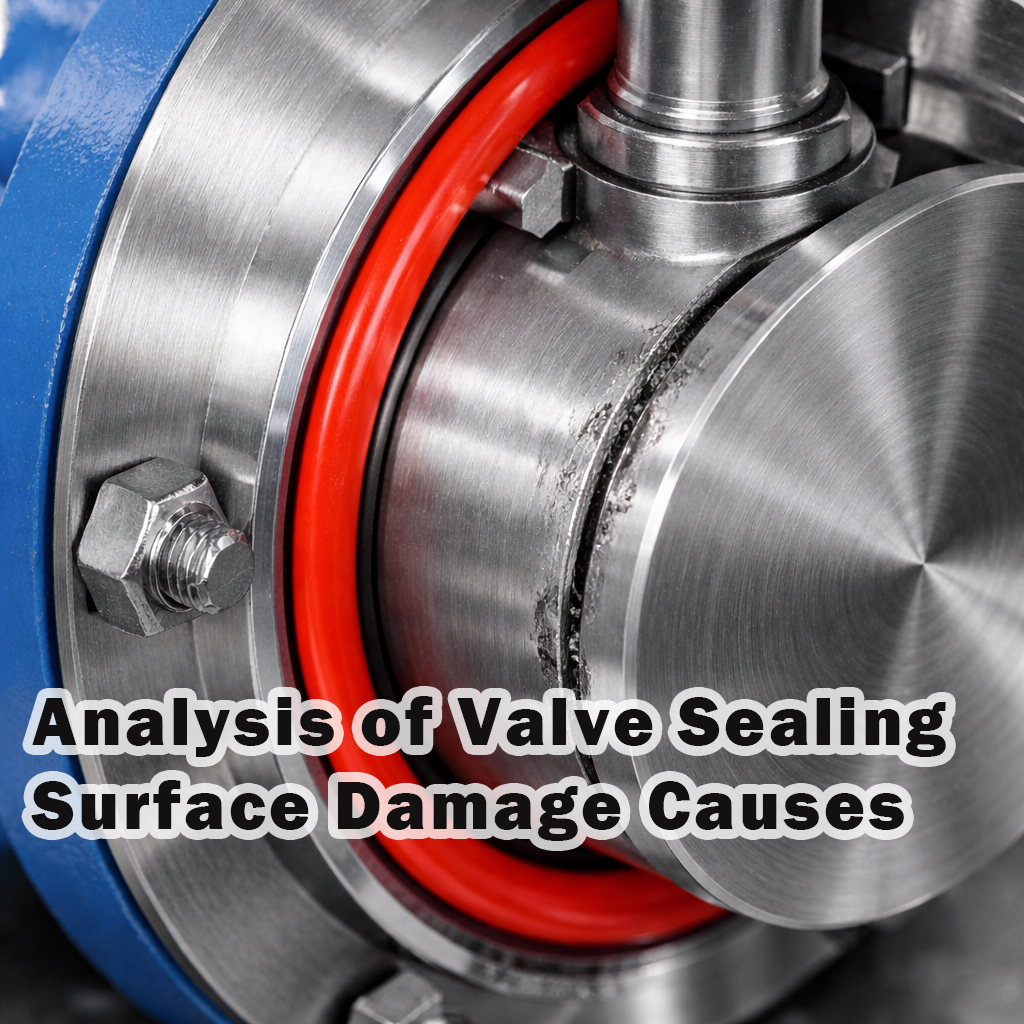
Damage to valve sealing surfaces is typically the result of multiple contributing factors, including material selection, operating conditions, operating practices, and maintenance. The following is a categorized summary of the most common causes: 1. Mechanical Damage ● Wear: Solid particles in the medium (such as sand or welding slag) erode the sealing surface, resulting in scratches or grooves. ● Abrasive scuffing: Frictional wear caused by relative movement of the sealing surfaces during valve opening and closing, particularly in metal-to-metal sealing pairs. ● Impact damage: Deformation of the sealing surface caused by high-velocity fluid impingement or rapid valve opening and closing, leading to impact loading. 2. Chemical Corrosion ● Media corrosion: Acidic, alkaline, or oxidizing media directly attack the sealing surface material, such as metal corrosion caused by H₂S or chloride ions. ● Electrochemical corrosion: When sealing pairs made of dissimilar metals are exposed to an electrolyte, galvanic corrosion may occur due to electrochemical cell formation. ● Erosion–corrosion: The combined effect of corrosive media and high-velocity flow accelerates material loss on the sealing surface. 3. Thermal Damage ●Thermal fatigue:Frequent temperature fluctuations cause repeated thermal expansion and contraction of the sealing surface, leading to cracking or deformation. ●High-temperature oxidation:At elevated temperatures, the sealing surface may undergo oxidation, hardening, or burn-off, as commonly observed in steam valve applications. ●Thermal shock:Sudden exposure to high- or low-temperature media can cause cracking of the sealing surface, such as during rapid condensation or cold media ingress. 4. Improper Installation and Operation ●Installation misalignment: Incorrect valve installation or excessive piping stress can result in uneven loading on the sealing surfaces. ●Over-tightening: Excessive preload applied to the valve stem or bolting may crush or deform the sealing surface, particularly in soft-seated valves or soft sealing gaskets. ●Rough operation: Rapid opening and closing or excessive operating force can cause impact damage to the sealing surfaces. 5. Material Defects ●Improper material selection: The sealing surface material lacks sufficient resistance to process media, high temperature, or wear, such as the use of carbon steel in acidic service. ●Manufacturing defects: Defects in the hardfacing or overlay layer, including porosity, slag inclusions, or improper heat treatment, reduce wear resistance and overall sealing performance. 6. Abnormal Operating Conditions ●Cavitation / flashing: Pressure fluctuations in the fluid generate vapor bubbles that collapse and impact the sealing surface, a phenomenon commonly observed in valves installed downstream of pumps. ●Scaling / deposition: Impurities in the medium accumulate on the sealing surface, impairing tight shutoff, suc...
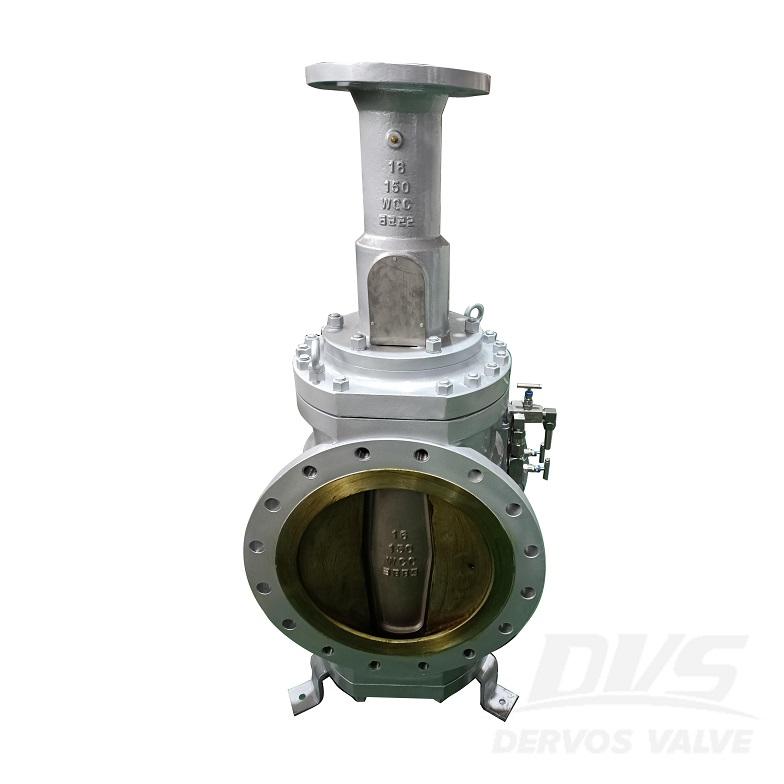
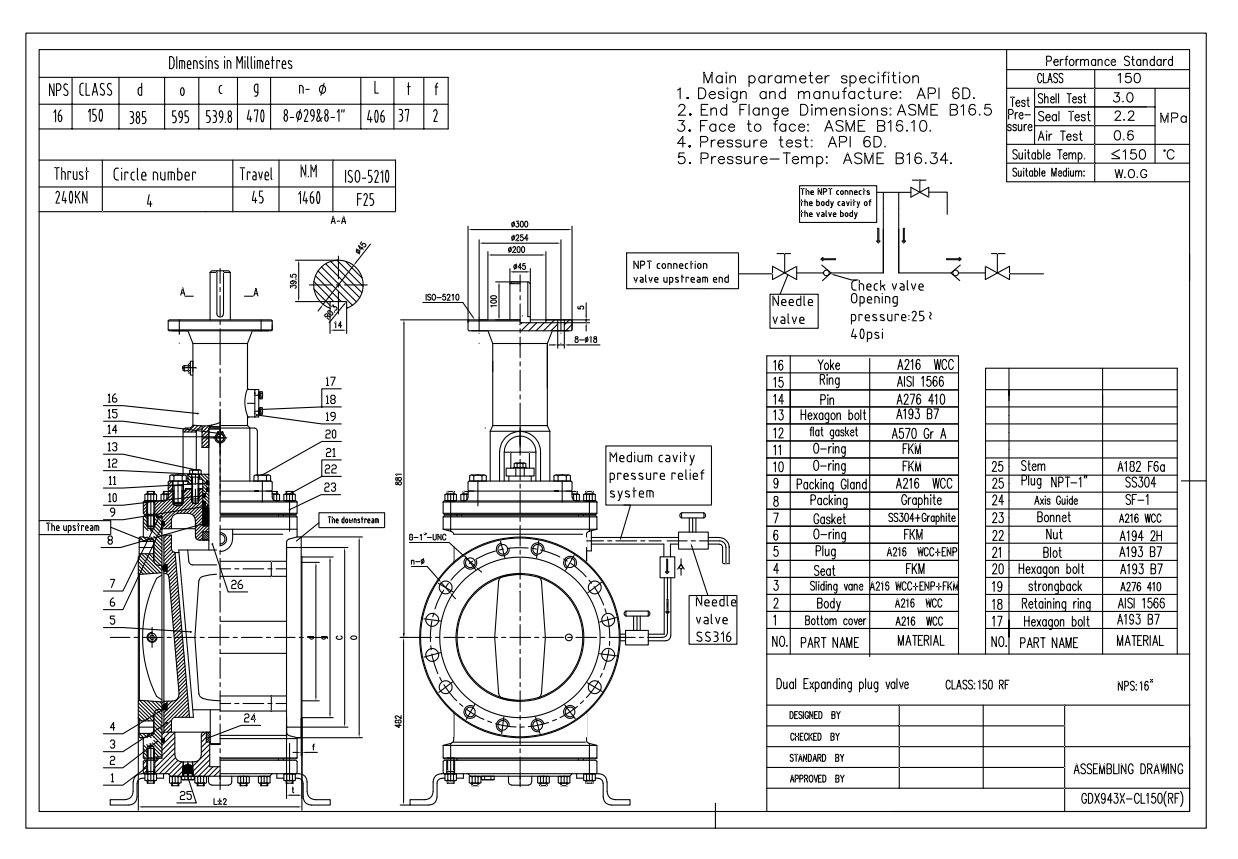
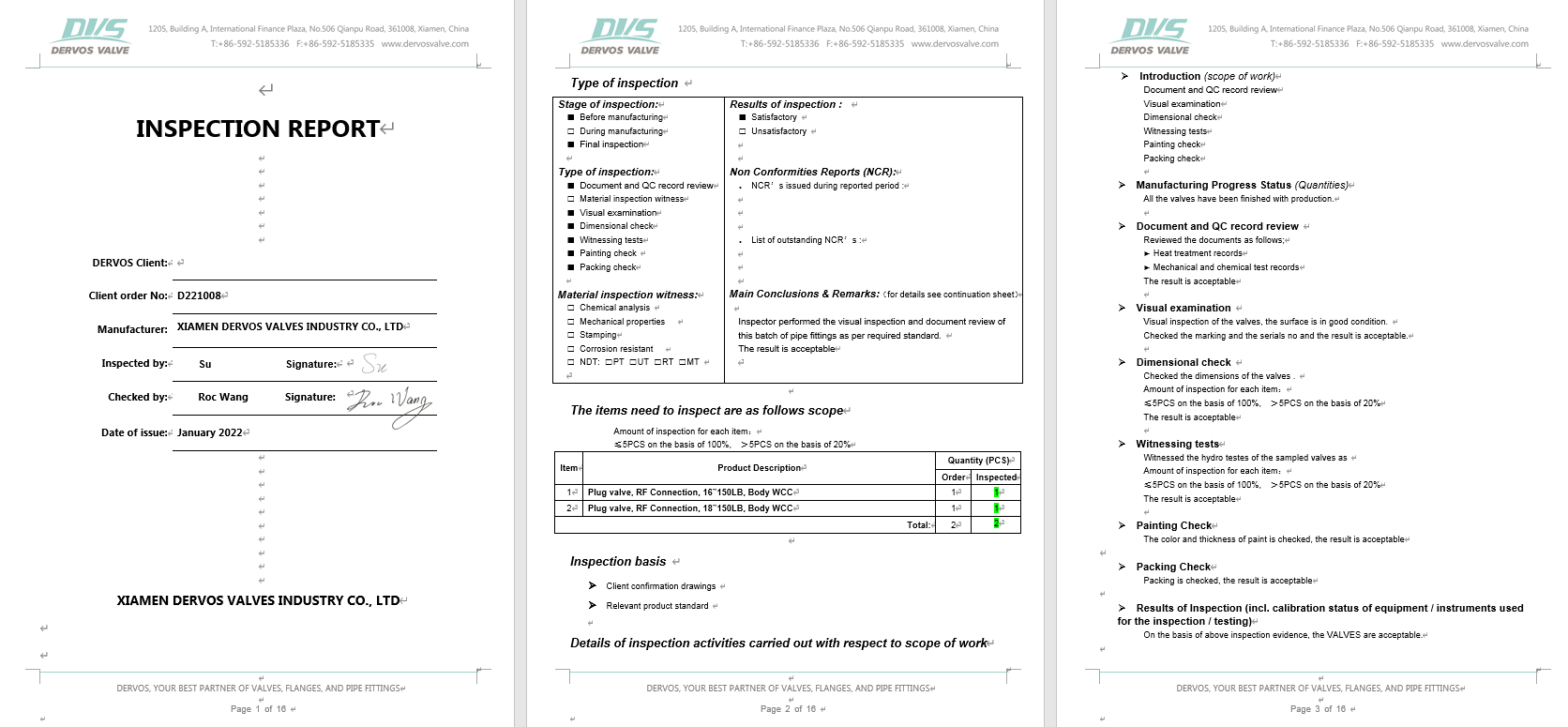
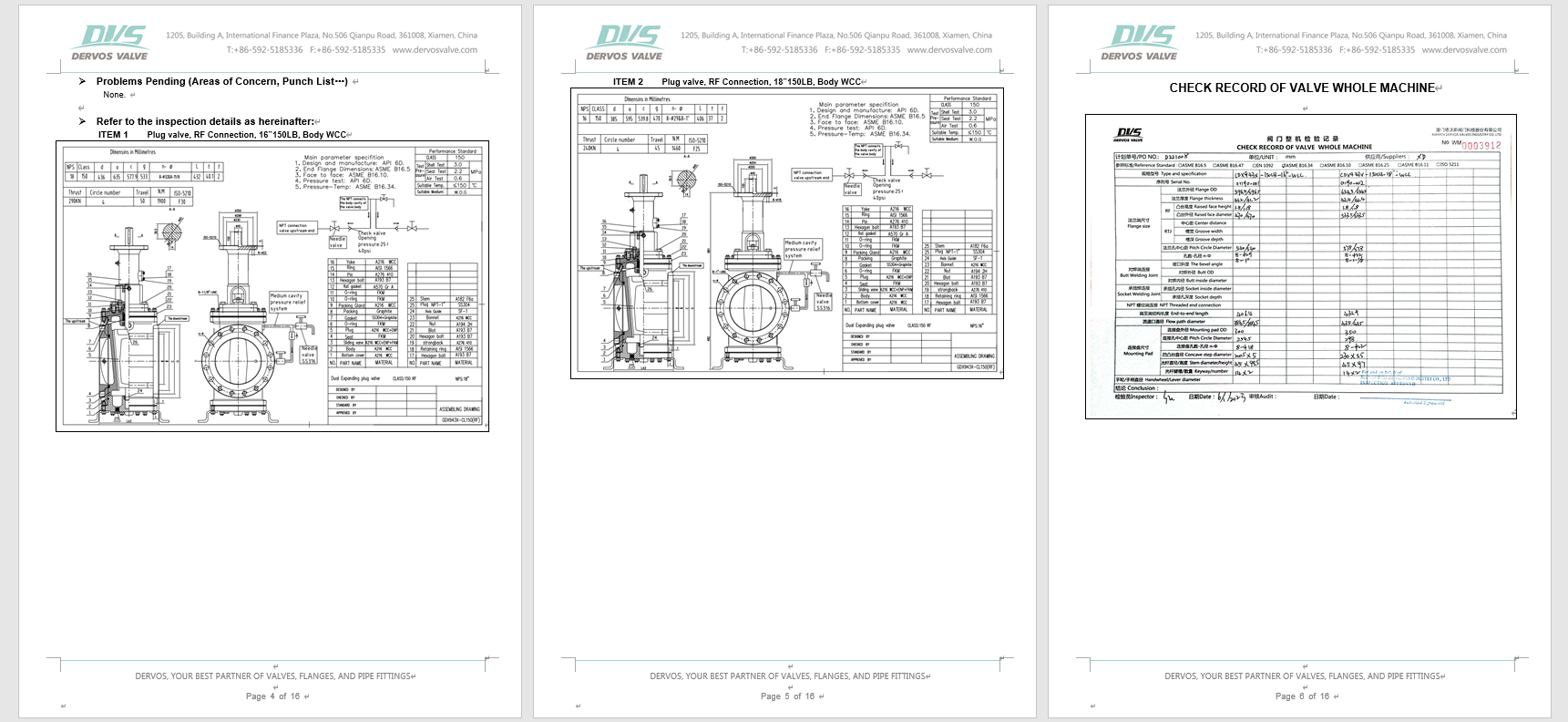
16" 150LB plug valve is made according to API6D standard. The valve body is made of A216 WCC. It has the structural characteristics of DBB, suitable for mediums such as Naptha, Gasoline, MTBE. Its connection mode is RF.
Payment:
30% when order confirmed, 70% before shipmentProduct Origin:
ChinaColor:
CustomizationShipping Port:
Shanghai, ChinaLead Time:
30~60 days Ex Works after order confirmationMaterial:
A216 WCCProduct Description
|
Type |
Double Sealed Track Plug Valve |
|
Size |
16" |
|
Pressure |
150LB |
|
Connection |
RF |
|
Body Material |
A216 WCC |
|
Design Norm |
API 6D |
|
Face to Face |
ASME B16.10 |
|
End Flange Dimensions |
ASME B16.5 |
|
Pressure Test |
API 6D |
|
Pressure-Temp |
ASME B16.34 |
|
Temperature |
≤ 150°C |
|
Applicable Medium |
Water, Oil and Gas |
Features
1. The plug valve utilizes a dual sealing system that ensures a tight seal, significantly reducing the risk of leakage in critical applications.
2. The plug valve design of the Double Sealed Track Plug Valve allows for quick and easy operation, with low fluid resistance, making it an ideal choice for applications requiring frequent valve adjustments.
Technical Drawing
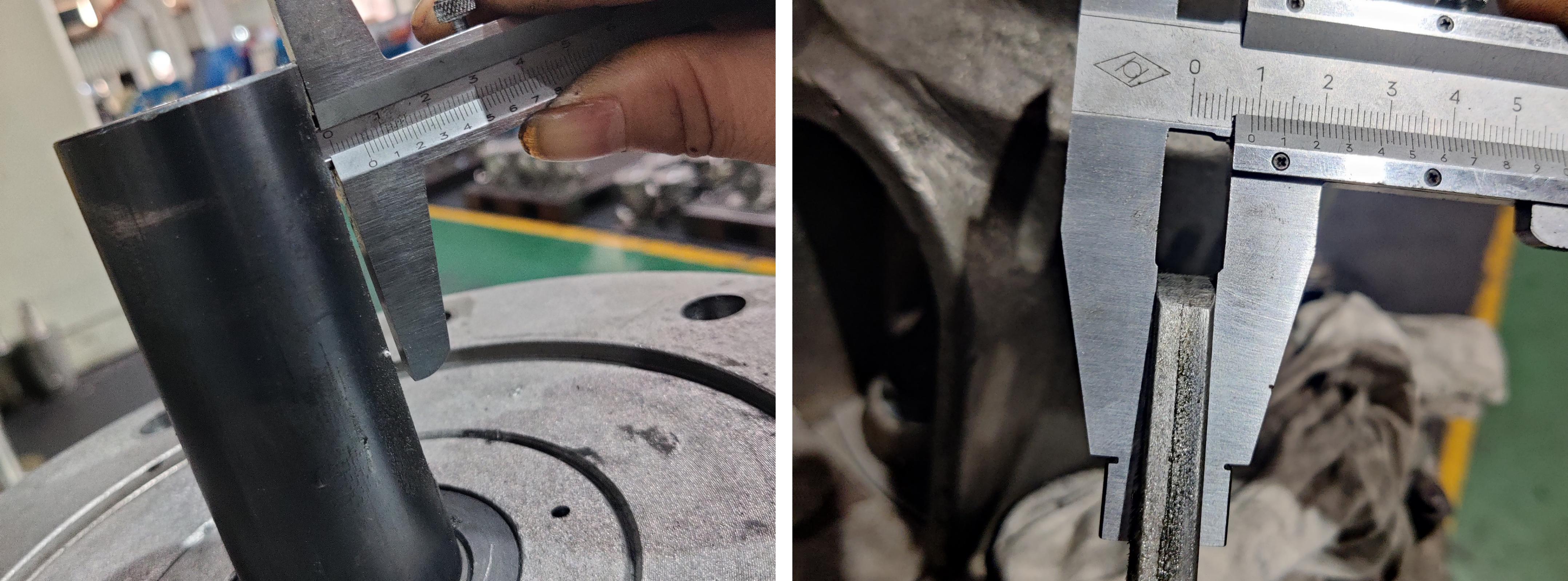
Dimension Checking
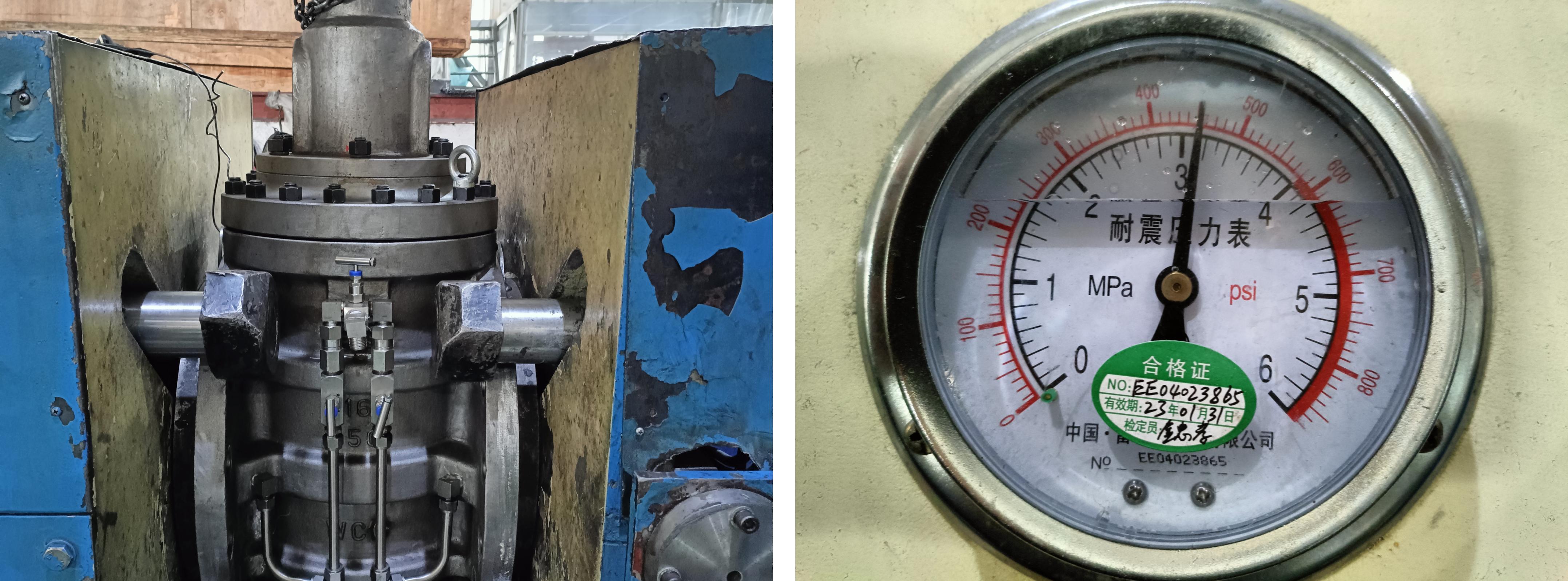
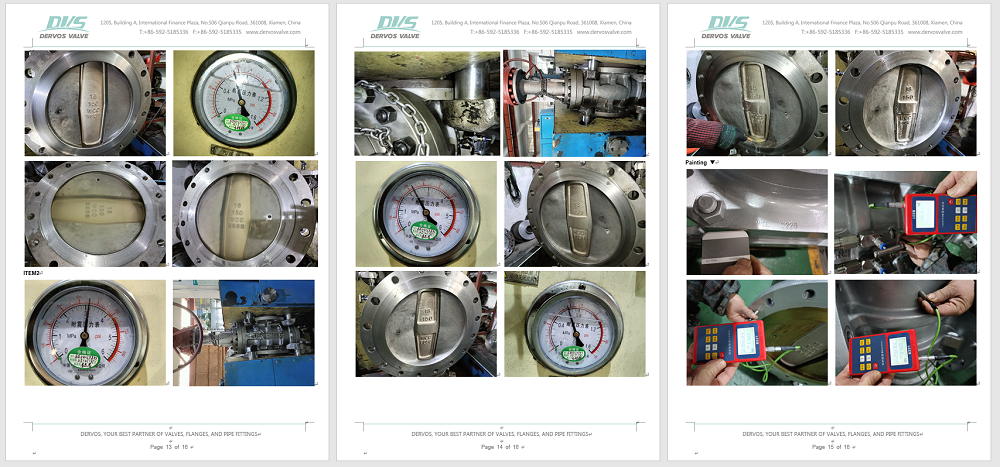
Pressure Testing
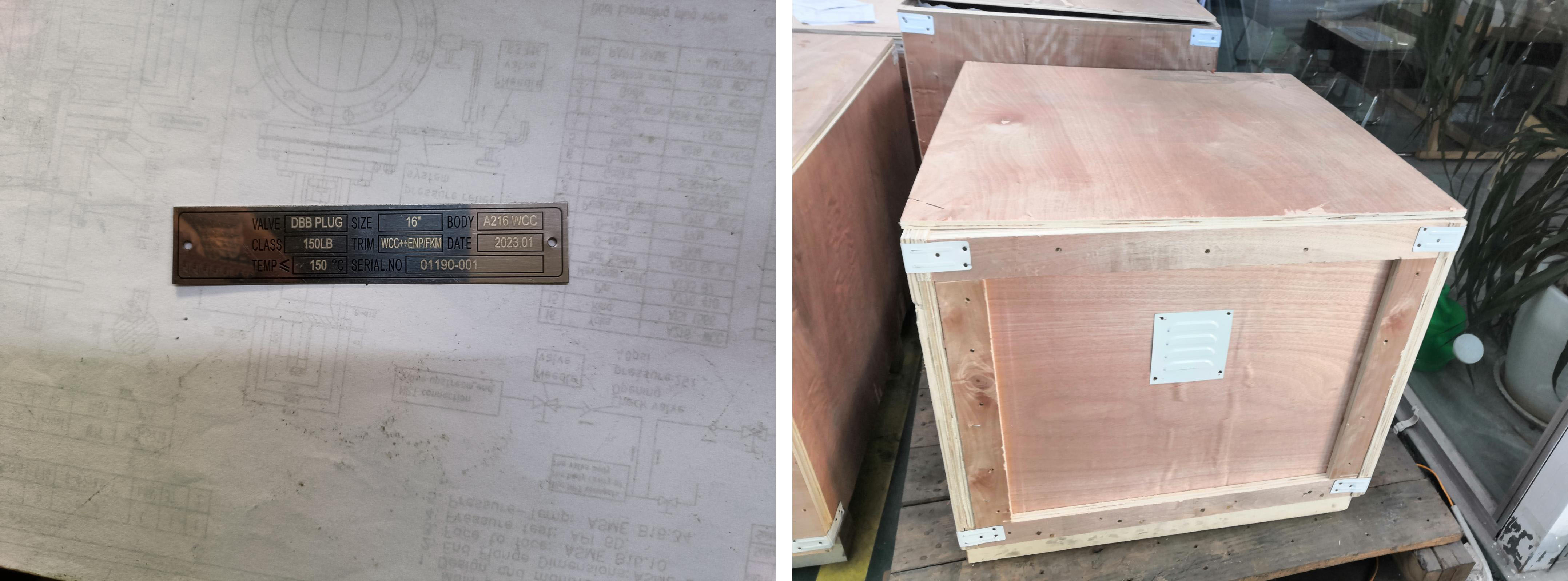
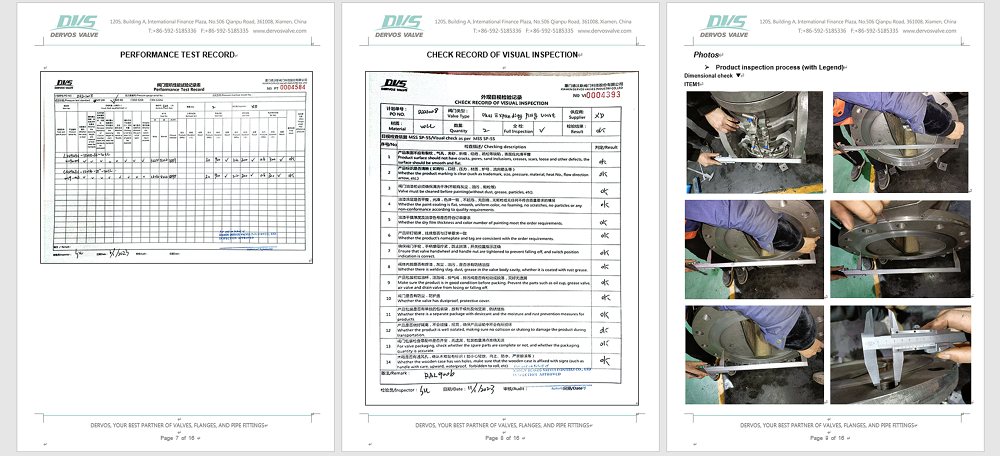
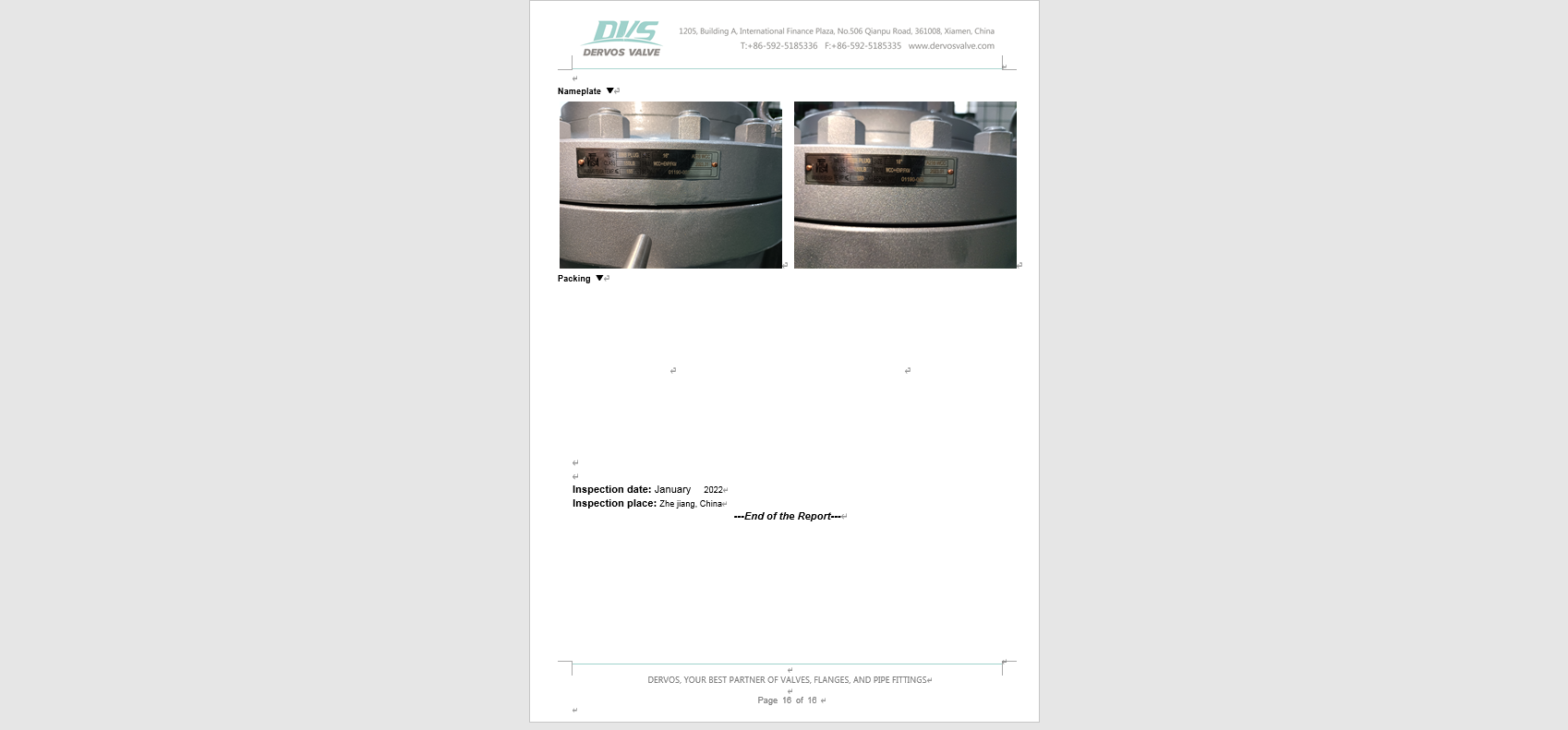
Nameplate & Packing
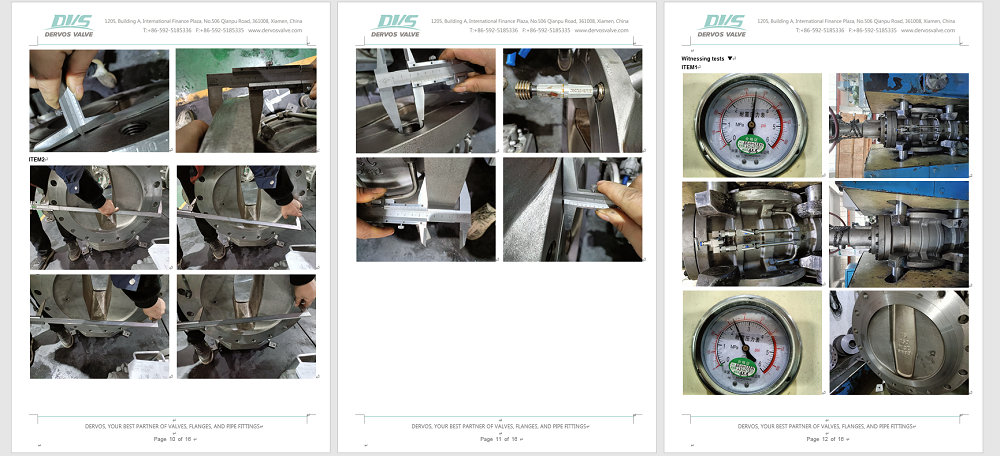
Inspection report
If you are interested in our products and want to know more details,please leave a message here,we will reply you as soon as we can.
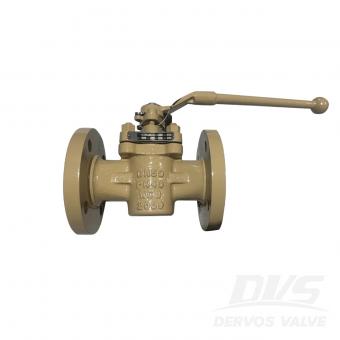
DN50 PN40 plug valve is made according to API 599 standard. The valve body is made of A216 WCB. It has the structural characteristics of ferrule type, reduced diameter. Its connection mode is RF. And it has lever operation mode.
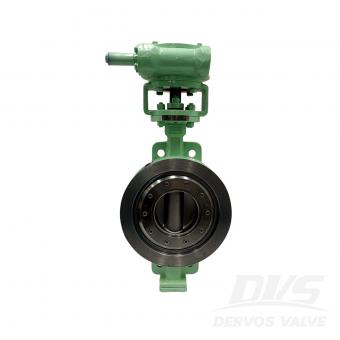
DN250 PN10 butterfly valve is made according to EN593 standard. The valve body is made of ASTM A216 WCB. It has the structural characteristics of three eccentricities, bidirectional one to one pressure test. Its connection mode is wafer. And it has turbine operation mode.
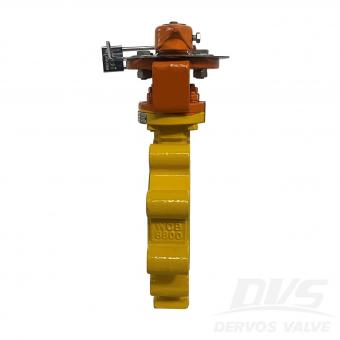
4" 150LBS double eccentric butterfly valve is made according to API 609 standard. The valve body is made of ASTM A216 WCB. It has the structural characteristics of double eccentric. Its connection mode is lug. And it has lever with lock operation mode.
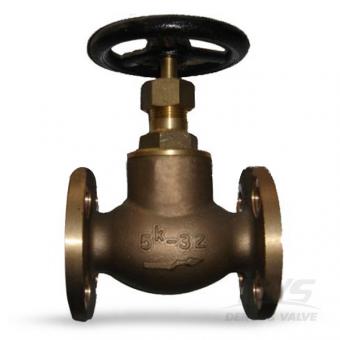
The DN32 JIS 5K globe valve is suitable for marine application. The bronze globe valve is handwheel operated with FF flange. Quick Detail Type Marine Globe Valve Size DN 32 Design Pressure 5K Connection Type FF Flange Design Code JIS F7301 Face to Face JIS B2002 Body Material Bronze Trim Material Bronze Application Water, Oil, Gas Purchasing System Late delivery time become a common issue in 2018. However, Dervos keep more than 90% on-time delivery, so how do we achieve that? It owns our purchasing department. How do we react to a delay crisis? -Visit the factory everyday and supervise on site -Initiate related resources, such as machining workshops and skilled workers to help on expediting production What benefits could we do for you by keeping on-time delivery? -Avoid penalty from end user -Accumulate reputation -Gain client’s trust FAQ 1. Do you have your own foundry or forge shop? No, but we have an approved list of foundries over the past decade of casting inspections, which can make sure that our castings are of good quality and all the raw materials are traceable. 2. Can you do NDE Capability radiography, MT, UT, LP? Of course, we can do all these tests upon our clients, but there will be additional charge to these tests. 3. What kind of test will you do for each order? After valve assembly, we will do hydraulic test for shell & sealing and air test. Plus, we will do dimension checking (face to face dimension, flange dimension) as per assembly drawing and standards.
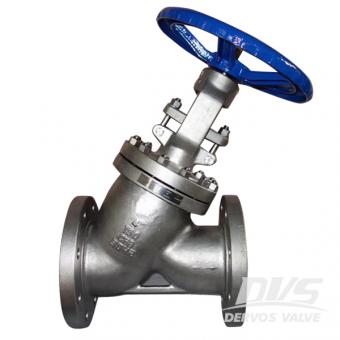
Y type globe valve. CF8 body/bonnet, F304 disc/stem, SS304+flexible graphite gasket and bronze bolt and nut. Plug type disc and Raised face flange connection. Quick Detail Type Globe Valve Size 4 inch DesignPressure CL150 Construction Y Type Globe Valve Connection Type Raised Face Flange Connection Operation Handwheel Design Code ASME B16.34 Face to Face ASME B16.10 Test & Inspection API 598 Body Material CF8 Temperature Range -29~538℃ Application WOG
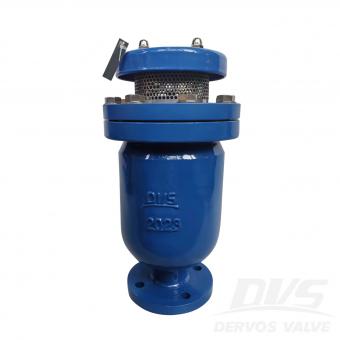
DN50 PN40 air release valve is made according to AWWA M51 standard. The valve body is made of ASTM A216 WCB. It has the structural characteristics of composite GYFH-4.0. Its connection mode is RF.
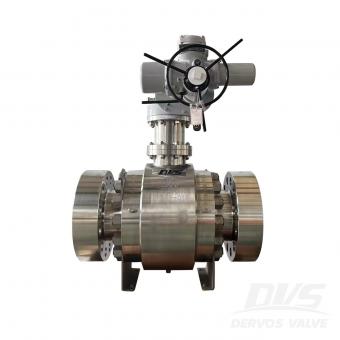
10" 2500LB ball valve is made according to API6D standard. The valve body is made of ASTM A182 F316. It has the structural characteristics of full bore. Its connection mode is RTJ. And it has electric actuator operation mode.
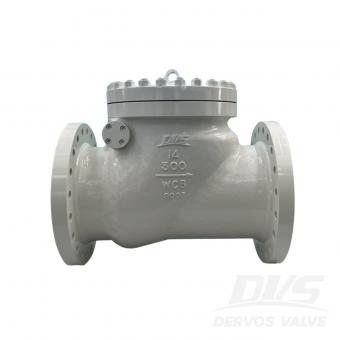
14" CL300 swing check valve is made according to API 6D standard. The valve body is made of ASTM A216 WCB. It has the structural characteristics of swing type and BC. Its connection mode is RF.
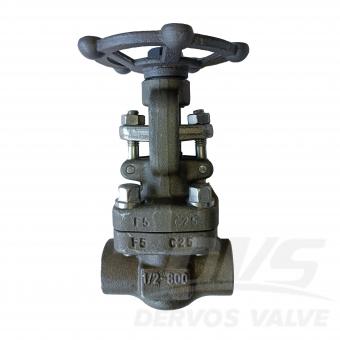
1/2" 800LB Forged Steel Gate Valve is made according to API 602 standard. The valve body is made of A182-F5. It has the structural characteristics of Bolted Bonnet, Solid Wedge. Its connection mode is SW. And it has hand wheel operation mode.
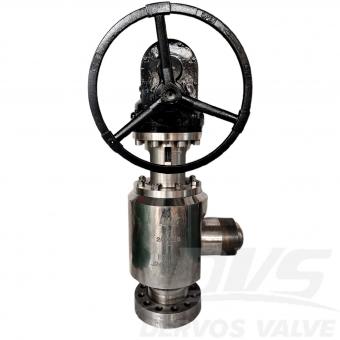
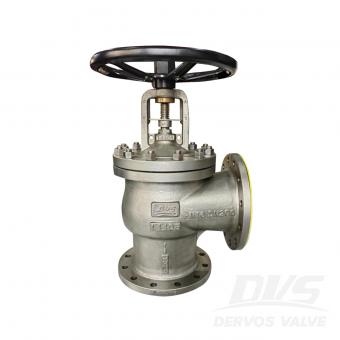
6” 2500LBS Angle Globe Valve is made according to ASME B16.34 standard. The valve body is made of A182 F347H. It has the structural characteristics of Pressure Seal Design with Low-leakage Packing, Suitable for -34°C to +510°C Service, Leakage Class: GOST 9544 Class A. Its connection mode is BW (t 21.95 mm). And it has Turbine operation mode.
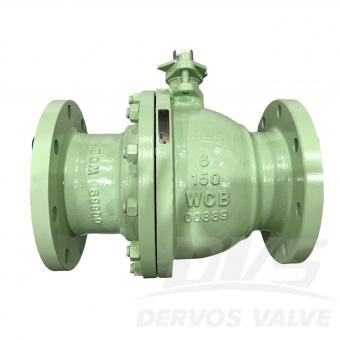
6” 150LB Forged Steel Floating Ball Valve is made according to API608 standard. The valve body is made of A216-WCB. It has the structural characteristics of Full Port, Floating Ball, Fire-safe & Anti-static, Blow-out Proof Stem. Its connection mode is RF. And it has hand wheel operation mode. Product Parameters Type Forged Steel Floating Ball Valve Size 6” Pressure 150LB Connection RF Operation Hand Wheel Body Material A182 F304 Design Norm API 608 Face to Face ASME B16.10 Flange Ends Dimensions ASME B16.5 Test & Inspection Code API 598 Temperature -29 ~ 120°C Applicable Medium Water, Oil and Gas Features 1.Made from F304 stainless steel, offering excellent corrosion resistance and durability for 150LB pressure systems. 2.Floating ball design with RF flange, compliant with API 608, ensures smooth operation and tight sealing performance. Technical Drawing Cast Steel Floating Ball Valve Technical Drawing Dimension Checking Pressure Testing Painting Nameplate & Packing Inspection Report
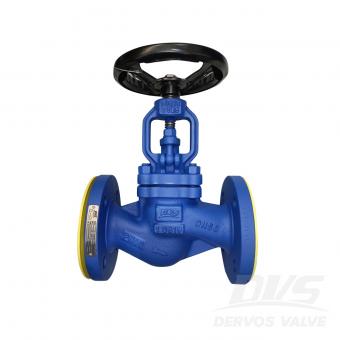
DN50 PN40 globe valve is made according to BS EN 13709 standard. The valve body is made of EN 10213 1.0619. It has the structural characteristics of bolt cover and straight through type. Its connection mode is EN1092-1 B. And it has hand wheel operation mode.
Copyright © 2015-2026 DERVOS VALVE CO.,LTD.All Rights Reserved Blog / Sitemap / XML / Privacy Policy