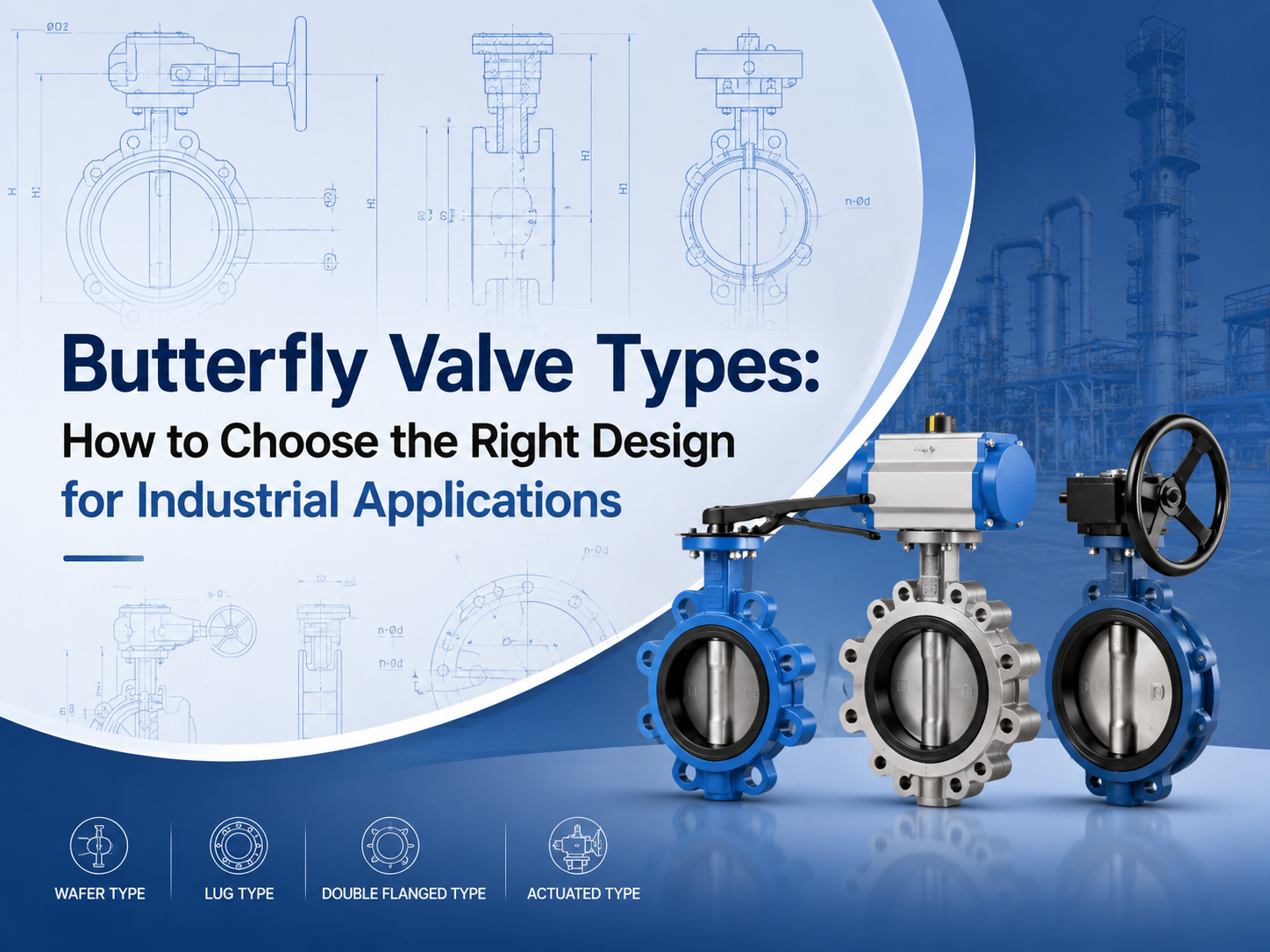
The main butterfly valve types include concentric, double offset, triple offset, wafer, lug, flanged, soft-seated, metal-seated, manual, pneumatic, and electric butterfly valves. The right choice depends on pressure, temperature, media, leakage requirement, installation space, and operation frequency. What Are the Main Butterfly Valve Types? Butterfly valves are usually classified by disc design, body connection, seat material, and actuation method. This classification is important because two valves may both be called butterfly valves, but their service limits can be very different. A butterfly valve uses a rotating disc to isolate or regulate flow. Because of its compact structure, light weight, and quarter-turn operation, it is widely used in water treatment, power plants, chemical processing, HVAC, marine systems, and general industrial pipelines. For buyers, the key question is not simply “which type is cheaper?” It is “which type can handle the actual pressure, temperature, media, and sealing requirement?” Concentric Butterfly Valve A concentric butterfly valve has the stem located on the centerline of the valve body and disc. It is also called a centerline butterfly valve. This type is commonly used for low-pressure and general-service applications, especially with water, air, and non-aggressive fluids. It is simple, economical, and easy to maintain. The limitation is seat wear. During opening and closing, the disc stays in contact with the soft seat for much of its movement. For higher pressure, higher temperature, or stricter shutoff requirements, double offset or triple offset designs are often more suitable. Double Offset Butterfly Valve A double offset butterfly valve uses two offsets to reduce friction between the disc and seat. This improves sealing performance and helps extend service life compared with a basic concentric design. Double offset butterfly valves are often selected for medium-pressure industrial service, including oil and gas, water supply, power generation, and chemical systems. They are useful when the application needs better durability but does not require a full metal-seated triple offset design. This type is also commonly called a high-performance butterfly valve. Before selection, buyers should confirm the pressure class, seat material, shaft sealing design, and expected operation frequency. Triple Offset Butterfly Valve A triple offset butterfly valve adds a third geometric offset to create a more advanced sealing structure. It is typically used for high-temperature, high-pressure, or severe-service applications. The design reduces rubbing between the sealing surfaces during operation. Many triple offset butterfly valves use metal seats, making them suitable for steam, oil and gas, chemical, and other demanding media. For these applications, standards and testing matter. Buyers often need t...
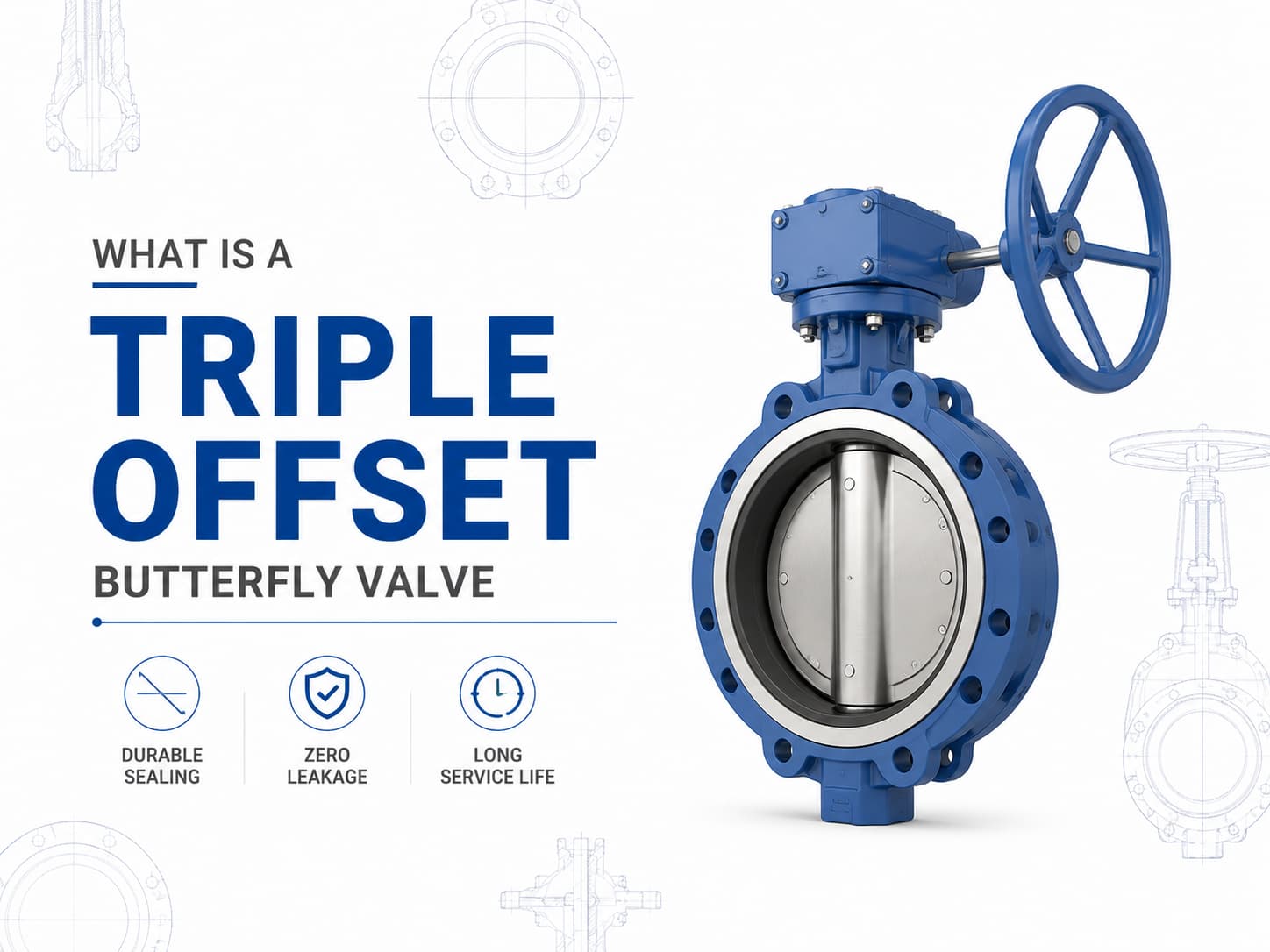
A triple offset butterfly valve is a high-performance isolation valve designed for applications where conventional resilient-seated or double offset butterfly valves cannot meet pressure, temperature, or leakage requirements. By using a three-offset sealing design, the valve achieves a metal-to-metal sealing mechanism with reduced friction between the disc and seat during operation, making it suitable for demanding services such as oil and gas, petrochemical, power generation, LNG, steam, and industrial process systems. Triple Offset Butterfly Valve Design and Working Principle Unlike a concentric butterfly valve, where the shaft is positioned at the centerline of the disc and seat, a triple offset butterfly valve incorporates three independent geometric offsets. The first offset moves the shaft away from the centerline of the valve body, the second offset shifts the shaft from the pipeline centerline, and the third offset introduces a conical sealing surface instead of a circular sealing profile. This geometry allows the disc to move away from the seat immediately after rotation begins, eliminating rubbing between sealing surfaces. The main advantage of this design is that the sealing force is generated by torque rather than continuous compression of soft materials. If the application requires high-temperature service, then a metal-seated triple offset butterfly valve is often preferred because elastomer seats may degrade under elevated temperatures. If the medium contains abrasive particles or aggressive chemicals, then material selection for the disc, seat, and body becomes critical to prevent erosion, corrosion, and leakage during long-term operation. Triple Offset Butterfly Valve Standards and Materials A triple offset butterfly valve is commonly manufactured according to standards such as API 609, EN 593, and ISO 5752, with pressure ratings ranging from Class 150 to Class 600 and higher depending on design requirements. Typical materials include carbon steel, stainless steel, duplex stainless steel, aluminum bronze, and nickel-based alloys. For corrosive seawater applications, aluminum bronze alloys such as C95500 or C95800 may be selected, while sour service applications may require materials compliant with NACE MR0175/ISO 15156 requirements. Triple Offset Butterfly Valve Sealing Performance and Leakage Control The sealing performance of a triple offset butterfly valve depends on the interaction between the sealing ring, seat surface finish, operating torque, and material compatibility. Since the sealing surfaces contact only at the final closing position, mechanical wear is significantly reduced compared with traditional butterfly valve designs. If zero leakage is required for critical isolation, then the valve design, pressure class, and applicable leakage standard, such as API 598 or ISO 5208, must be considered during specification. Triple Offset Butterfly Valve Applications and S...
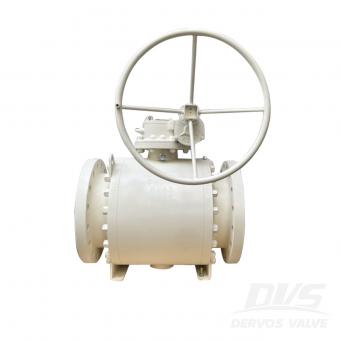
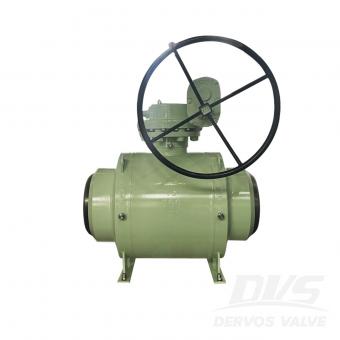
Ball valves and plug valves are both quarter-turn rotary valves used for on-off control and isolation in industrial piping systems. Although they share similar operating principles, their internal designs result in different performance characteristics, especially in terms of sealing, pressure capability, operating torque, maintenance requirements, and suitability for different media. The selection between a ball valve and a plug valve should be based on actual operating conditions rather than valve type preference. If the application requires tight shutoff, frequent operation, and low operating torque, then a ball valve is often preferred. If the system involves dirty media, abrasive particles, or large flow passages, then a plug valve may provide better reliability. Design Differences and Sealing Performance A ball valve uses a spherical closure element with a drilled bore. When the valve is open, the bore aligns with the pipeline to provide a nearly unrestricted flow path. When rotated 90 degrees, the solid section of the ball blocks the passage and provides shutoff. A plug valve uses a cylindrical or conical plug with a flow passage through the center. The plug rotates inside the body to control flow. Depending on the design, plug valves can be lubricated, sleeved, or non-lubricated, with each structure offering different sealing characteristics. The sealing mechanism is one of the main differences between the two valves. Ball valves generally use soft seats, metal seats, or a combination of both to achieve reliable shutoff. If the system requires bubble-tight isolation, especially in gas service or critical process applications, then a properly selected ball valve can provide excellent sealing performance. Plug valves rely on the contact between the plug and the valve body or sleeve. Lubricated plug valves use sealant injected between the plug and body to reduce friction and improve sealing. This design can perform well in applications where the media contains contaminants because the sealant helps protect the sealing surfaces. Application Considerations Operating conditions determine whether a ball valve or plug valve is more suitable. Ball valves are widely used in oil and gas, petrochemical, LNG, chemical processing, and power industries where reliable shutoff is required. Floating ball valves are commonly applied in lower pressure systems, while trunnion mounted ball valves are preferred for larger sizes and higher pressure ratings because the trunnion support reduces operating torque. If the valve will experience frequent cycling, then a ball valve usually provides an advantage due to its low friction operation and quarter-turn actuation. However, careful consideration is required when handling fluids containing solid particles. If abrasive particles become trapped between the ball and seat, then seat damage and leakage may occur. Plug valves are often s...
Payment:
30% T/T When Order, 70% T/T Before ShipmentProduct Origin:
ChinaColor:
CustomizationShipping Port:
Shanghai ChinaLead Time:
30~55 days Ex Works After Order ConfirmationMaterial:
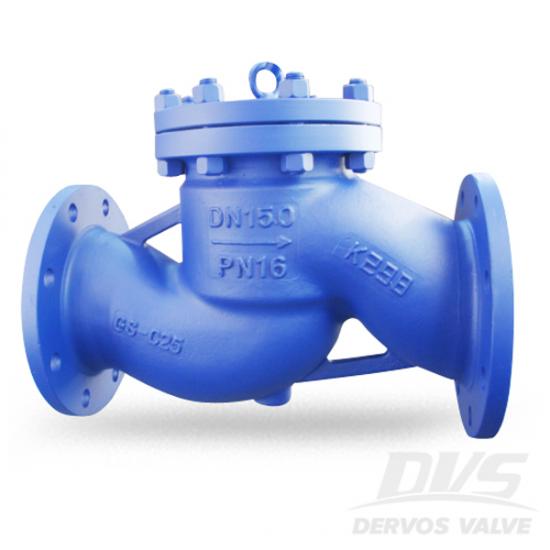
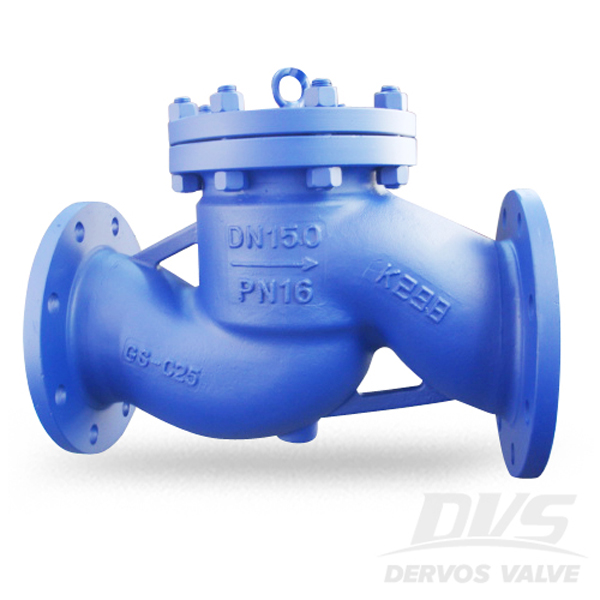
Carbon Steel Check ValveQuick Detail
|
Type |
Check Valve ( Non-return Valve) |
|
Nominal Diameter |
DN 150 |
|
NominalPressure |
PN 16 |
|
Construction |
Lift Type / Piston Type, Bolted Bonnet |
|
Connection |
Flanged Connection |
|
Design & Manufacture |
DIN 3356 |
|
End to End |
EN 558 |
|
Connection |
EN 1092 |
|
Test & Inspection |
EN 12266 |
|
Body Material |
Carbon Steel GS C25 |
|
Media |
W.O.G. |
Product Range
Body material: CS, SS, Alloy Steel, CI, Bronze, Brass
Size Range: 2”~12” (DN50~DN300)
End Type: Butt Weld, Socket Weld, Flanged, Screwed
Pressure Range: 150lbs~2500lbs (PN16~PN420)
Temperature Range: -46℃~ +425℃
Related Knowledge
What is a piston check valve?
Usually, we have swing type check valve and lift type check valve. A piston check valve and ball check valve both belong to lift type check valve.
In a lot of cases, a piston check valve use spring to retain the disc in closed position. The structure of a piston check valve is very similar to the globe valve just without manual operation.
Due to its piston type disc and superior leak tight characteristic, the piston check valves are suitable for small size and high pressure conditions.
If you are interested in our products and want to know more details,please leave a message here,we will reply you as soon as we can.
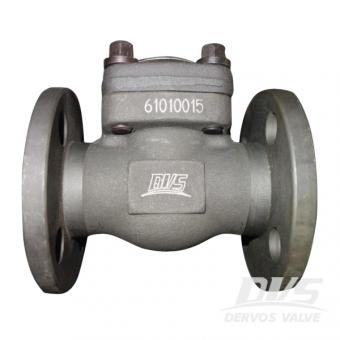
The forged steel lift check valve is designed with class 150 pressure and 1 inch nominal size according to standard API 602. We also call it as piston check valve. Quick Detail Type Check Valve Size 1'' DesignPressure 150LB Construction Lift Type, Piston Type Connection RF Flange Design & Manufacture API 602 End to End ASME B16.10 Connection ASME B16.5 Pressure & Temp ASME B16.34 Test & Inspection API 598 Body Material ASTM A105N Trim Material Trim 5 Temp Range -29℃~+425℃ Media W.O.G. Dimension Checking Pressure Tesing Packing
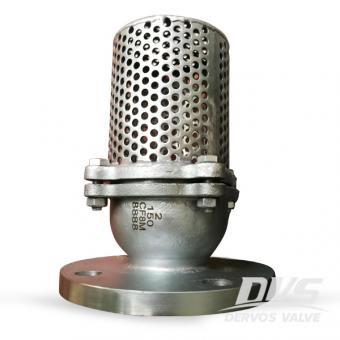
The 2 inch 150LB foot valve is made of stainless steel.
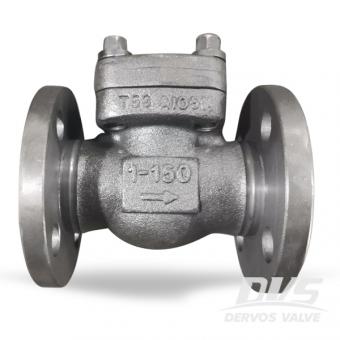
Due to its simple flow efficient and virtually maintenance-free design, thestainless steel ball checkvalve is commonly specified and used in submersible waste water lift stations.
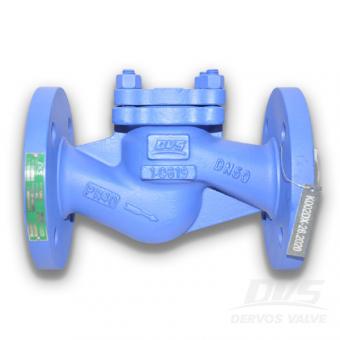
This spring loaded check valve, made according to DIN3840, requires no gravity or backflow pressure to work or actuate.It’s body material 1.0619 enable the valve to work under great heat and It’s spring can accommodate a wide range of temperature, too.
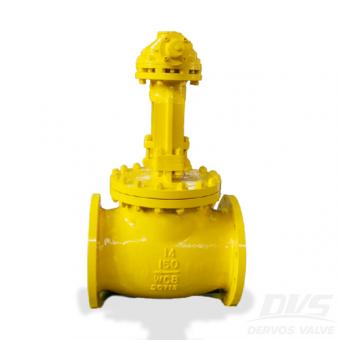
Chinese Valve manufacturer Dervos supplies Check Valve that featured with through conduit, plug type disc and replaceable seat. Expect these 14 inch 150LB check valve, other types valves of different materials, sizes are also available.
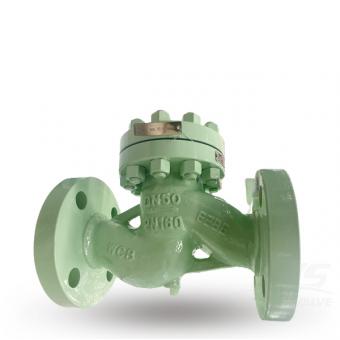
The DN50 PN160 spring loaded lift check valve, made of Cast Steel, is powered by flow and differential pressure with assistance from spring pressure. And it requests no human intervention is required to function, easy to use.
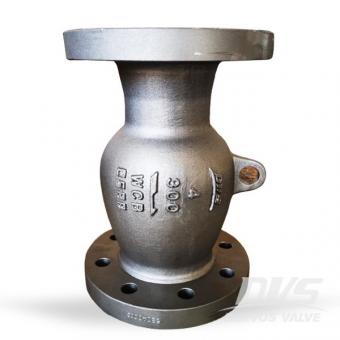
The stainless steel non return valve features in non slam type disc, INCONEL X750 spring, WCB valve body. This valve owns an excellent dynamic performance and minimizes vibrations and noise.
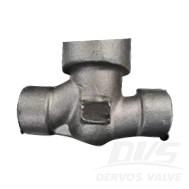
1" 2500LB check valve is made according to ASME B16.34 standard. The valve body is made of F316L. It has the structural characteristics of lifting type, pressure self-sealing, conventional diameter. Its connection mode is FNPT.
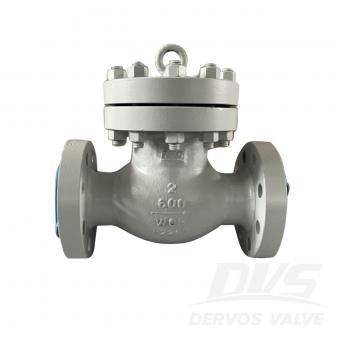
2" 600LB check valve is made according to BS1868 standard. The valve body is made of A216 WCB. It has the structural characteristics of lifting type, bolt cover and body valve seat. Its connection mode is RF.
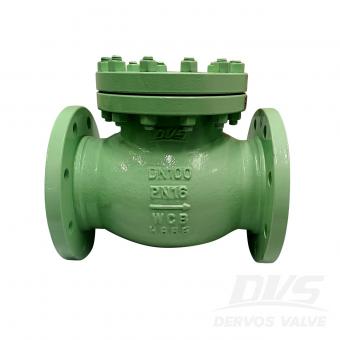
DN100 PN16 check valve is made according to EN12516-1 standard. The valve body is made of ASTM A216 WCB+STL. It has the structural characteristics of lifting type with spring. Its connection mode is EN1092-1 B.
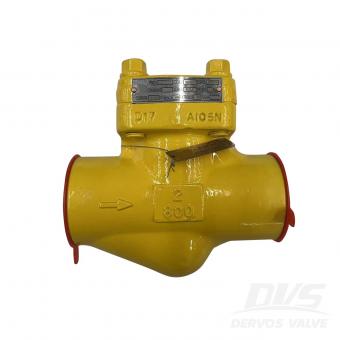
2" 800LB lift check valve is made according to API 602 standard. The valve body is made of ASTM A105N+STL. It has the structural characteristics of lift type. Its connection mode is SW.

DN80 PN16 lift check valve is made according to DIN 3356 and BS 1873 standard. The valve body is made of ASTM A216 WCB. It has the structural characteristics of lift type with spring. Its connection mode is EN1092-1 B.
Copyright © 2015-2026 DERVOS VALVE CO.,LTD.All Rights Reserved Blog / Sitemap / XML / Privacy Policy