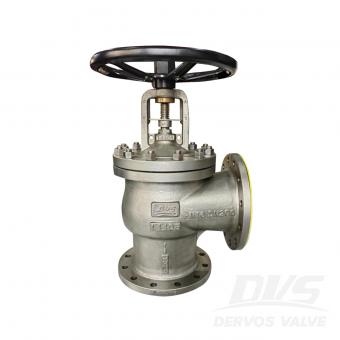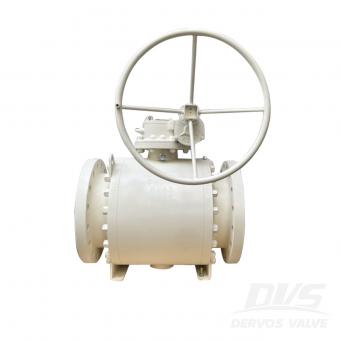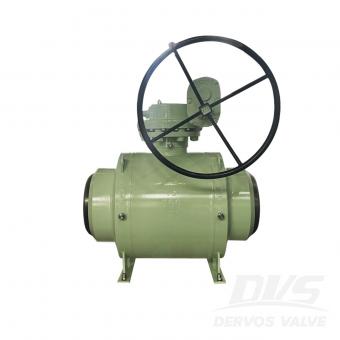
Recently, Dervos Valve helped a client in Hungary overcome a common challenge in industrial steam systems: how to safely isolate high-temperature pipelines without leakage or downtime. Operating with saturated steam at around 250°C and exposed to temperatures as low as -39°C, the client’s system demanded a solution that was both robust and reliable. Traditional valves often failed to maintain a tight seal under such conditions, and conventional isolation methods required depressurizing the line, increasing downtime and operational risk. To address these challenges, Dervos supplied a DN400 PN40 sliding line blind valve, engineered specifically for the project’s harsh conditions. The valve’s sliding blind mechanism allows operators to switch between flow and isolation positions without depressurizing the system, enhancing safety and efficiency during maintenance. Built with forged 20GML steel and a metal-to-metal stainless steel sealing structure, the valve delivers reliable performance under both high-temperature steam and extreme outdoor climates. Its full-bore design minimizes flow resistance, while the worm gear manual actuator ensures smooth and controlled operation even at large sizes and high pressure ratings. Safety features such as anti-misoperation devices and protective blind plate structures further reduce the risk of errors during handling. Since installation, the valve has enabled leak-free operation, safer maintenance procedures, and stable performance in extreme temperatures. Designed for a service life exceeding 30 years, it provides a long-term, low-maintenance solution, giving the client confidence in their steam system’s reliability and safety. This project highlights how a carefully engineered sliding line blind valve can solve critical isolation challenges in high-temperature steam applications, combining operational safety, durability, and efficiency in one solution.
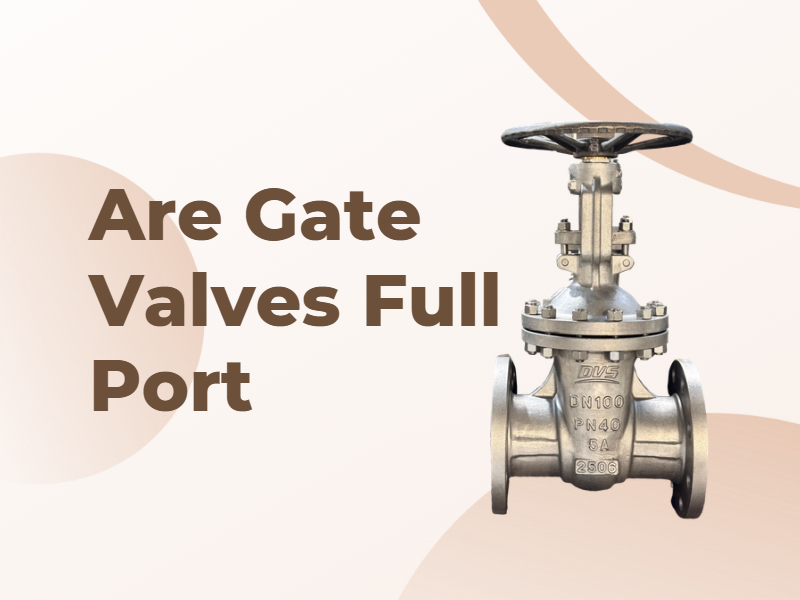
In industrial piping systems, gate valves are generally considered low-resistance isolation valves. When the valve is fully open, the gate is completely withdrawn from the flow path, allowing the fluid to pass through with minimal obstruction. However, from a strict engineering perspective, not all gate valves are classified as full port valves. If the seat bore is equal to or very close to the pipeline internal diameter, the flow experiences little or no restriction. In this case, the valve can be considered full port (or near full port). This design is commonly used in oil and gas pipelines, water transmission systems, and other applications where low pressure drop is required. If the seat bore is slightly smaller than the pipe internal diameter, a minor flow restriction will occur inside the valve. In such cases, the valve is more accurately described as reduced bore. This configuration is more common in smaller sizes or cost-optimized valve designs. In engineering practice, a simple selection logic can be applied: ● If the system requires minimum flow resistance or pipeline pigging, the valve bore must match the pipeline diameter. ● If the valve is used for general isolation purposes, most standard gate valves can already meet the required flow capacity. Therefore, a concise conclusion can be drawn: Gate valves are typically close to full port designs, but whether they are truly full bore depends on whether the seat bore equals the pipeline internal diameter. QA Q1: Are gate valves always full bore?Not necessarily. If the seat bore equals the pipe internal diameter, the valve can be considered full bore. If it is slightly smaller, it is classified as reduced bore. Q2: Why do gate valves have relatively low flow resistance?When the valve is fully open, the gate is completely removed from the flow path, allowing the fluid to pass through in a nearly straight line, which results in low pressure drop. Q3: Are gate valves suitable for high-flow pipelines?Yes. If the system requires low pressure drop, gate valves are commonly used. Q4: Is the concept of full port the same for gate valves and ball valves?Not exactly. For ball valves, the bore size is determined by the ball port diameter, while for gate valves, it is mainly determined by the seat bore diameter.
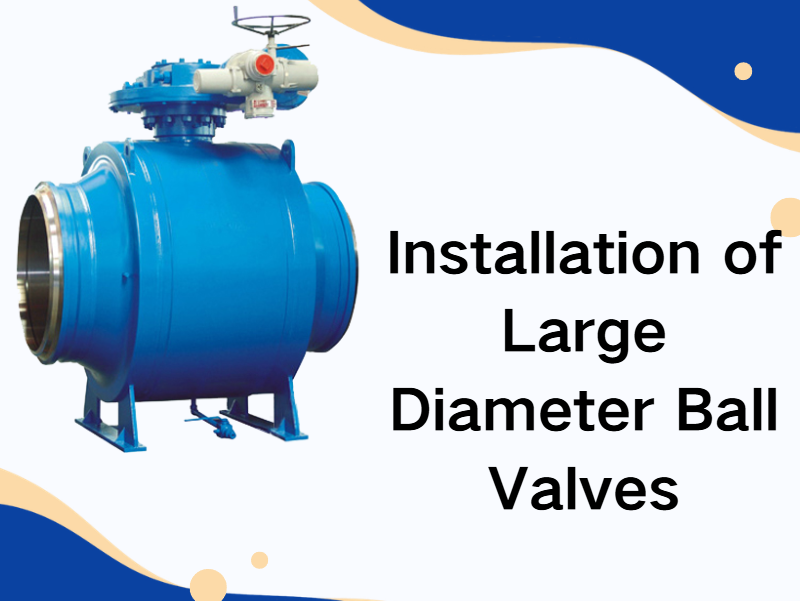
Large diameter ball valves are commonly used in industries such as petroleum and chemical processing, power generation, long-distance pipeline transportation, and large-scale water treatment systems. If installation is not performed correctly, it may lead to sealing leakage, valve jamming, or structural stress damage. Therefore, proper installation practices are essential to ensure long-term stable operation. 1. Pre-installation Inspection If pre-installation inspection is insufficient, operational failures are more likely to occur during service. First, inspect the valve body for transportation damage. If scratches, impact marks, or deformation are found on the valve body or sealing surfaces, installation should be stopped and the supplier should be contacted. Next, verify valve model, pressure rating, and connection standards. If the system design pressure does not match the valve pressure class, operational safety risks may occur. For example, if a low-pressure class valve is mistakenly used in a high-pressure pipeline system, the valve body may experience plastic deformation under water hammer impact. It is also necessary to check the condition of the ball surface and sealing rings. If there are scratches on the ball surface, sealing performance will be reduced. This is especially critical in gas transmission systems where micro-leakage is more likely. 2. Installation Direction Large diameter ball valves usually have a flow direction marking. If the installation direction is incorrect, the following problems may occur: If the fluid flow direction matches the design direction, the operating torque will remain more stable. If the valve is installed in reverse, the stem may experience increased mechanical load, which will accelerate stem wear during long-term operation. For double-seal bidirectional ball valves, although bidirectional flow is allowed, installation according to the marked flow direction is still recommended to ensure more uniform sealing stress distribution. In high-temperature or steam systems, if the installation direction is incorrect, thermal expansion may accelerate sealing ring aging. 3. Pipeline Stress Control Large diameter ball valves are heavy. If installed without proper support, additional bending moments may be transferred to flange connections. If pipeline systems experience axial displacement, pipeline supports should be installed for segmented fixation. If support structures are not provided, the valve body may bear long-term gravitational tensile load, eventually causing flange seal failure. It is generally recommended to install independent supports on both sides of large diameter ball valves. If the pipeline system is subject to thermal expansion and contraction, expansion compensation devices must be installed; otherwise, sealing surfaces may gradually fail. 4. Bolt Tightening Process Flange connections of large diameter ball valves usually ...
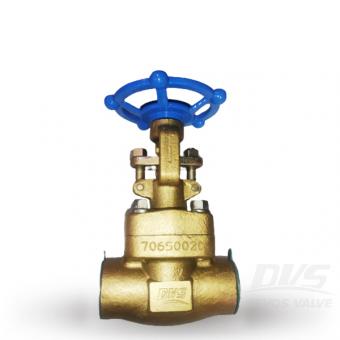
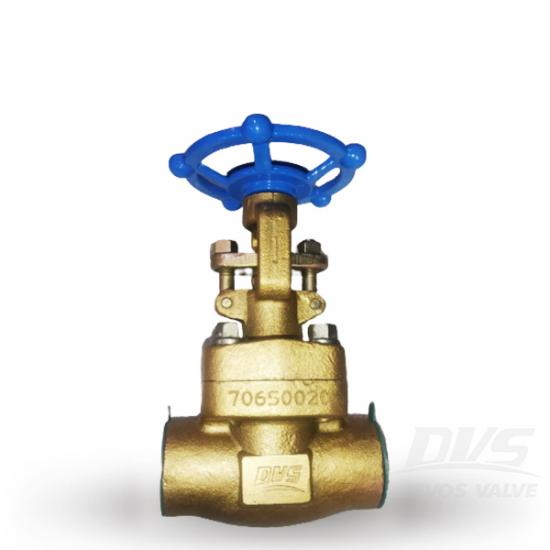
Differing 1/4 inch to 3 inch, this gate valve is made of B62 bronze according to API602. No matter what pressure rating, thread design or size you require, Dervos has a large selection of valves to meet your needs.
Payment:
30% when order confirmed, 70% before shipmentProduct Origin:
ChinaColor:
CustomizationShipping Port:
Shanghai, ChinaLead Time:
30~60 days Ex Works after order confirmationMaterial:
BronzeMethod of Operation:
HandwheelQuick Detail
|
Type |
Gate Valve |
|
Size |
1 Inch |
|
Design Pressure |
ANSI 800 |
|
Construction |
BB; Solid Wedge; Renewable Seat; |
|
Connection Type |
FNPT |
|
Operation Type |
Hand wheel |
|
Body Material |
ASTM B62 |
|
Wedge Material |
Bronze |
|
Stem Material |
Bronze |
|
Seat Material |
Bronze |
|
Design Code |
API602 |
|
End Connection |
ASME B1.20.1 |
|
Test & Inspection |
API 598 |
|
Medium |
Water, Oil and Gas |
|
Origin |
China |
Features
--Threaded Bonnet
--Threaded Ends
--B62
--Renewable solid wedges
--Integral seats
--High–Tensile bronze alloy stems
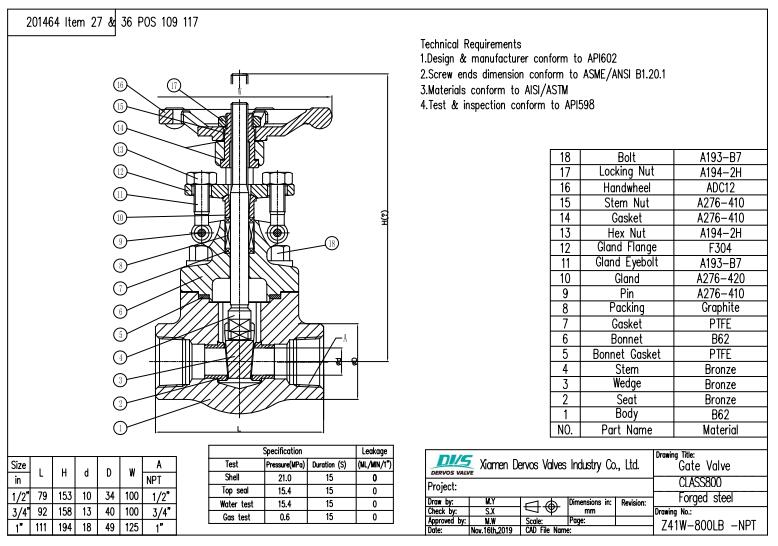
Technical Drawing
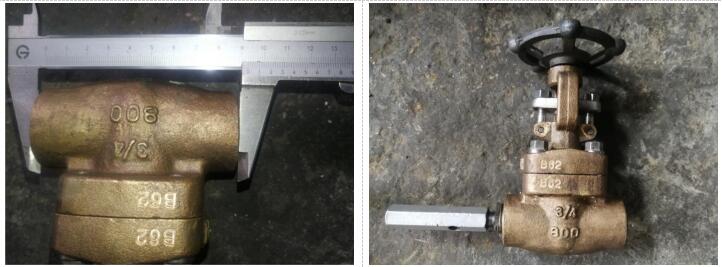
Dimension Check
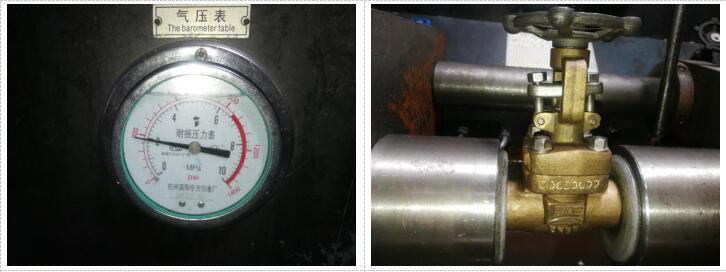
Witnessing Tests
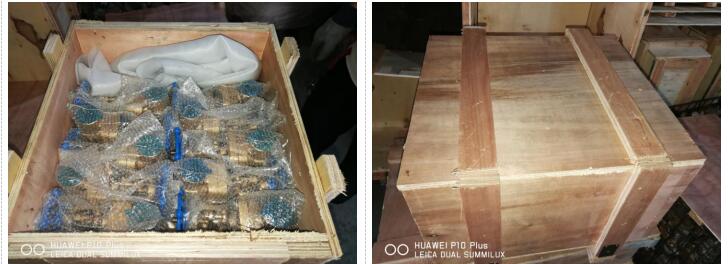
Packing
With Dervos customer service, you will not have any concern before, during and after buying valves.
Pre-sales
We will reply on time and also provide technical support upon your request.
Order
We will check the production details with factory and customers. Sales confirmation will also be sent. During production, we will also send weekly report to let you know the order status. Before shipment, delivery note will be sent to let you know the situation.
18 Month warranty
Dervos is always responsible for their products. We will provide 18 months warranty to let our customers without concern.
Complaint handling
When receiving the complaints, we will reply within 24 hours and give the solution as soon as possible.
If you are interested in our products and want to know more details,please leave a message here,we will reply you as soon as we can.
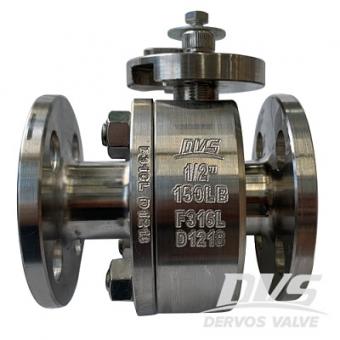
Made of A182-F316L, 1/2’’ 150LB ball valve is made according to API 608 standard. It has the structural characteristics of floating ball and two-piece ball valve.Its connection mode is RF and there is a handle operation mode.
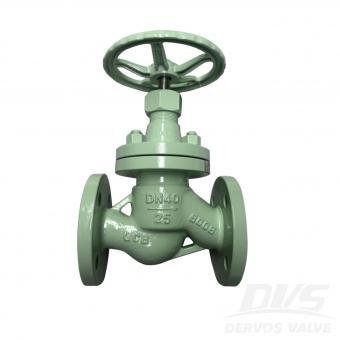
DN40 PN25 Ammonia Cast Steel Globe valve is made according to GB/T26478 standard. The valve body is made of LCB. It has the structural characteristics of concealed rod, ammonia shut-off valve, copper prohibited. Its connection mode is EN1092-1 D. And it has hand wheel operation mode.
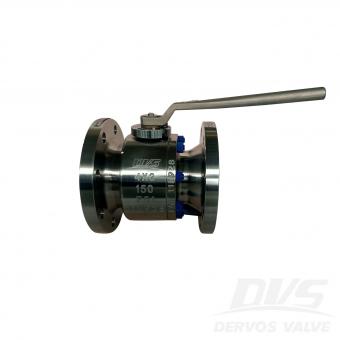
4x3" 150LB floating ball valve is made according to API 6D standard. The valve body is made of A182 F51. It has the structural characteristics of two piece, floating ball, reduced diameter, anti-fire, anti-static, anti-flying valve stem, bidirectional, with locking device. Its connection mode is RF. And it has lever operation mode.
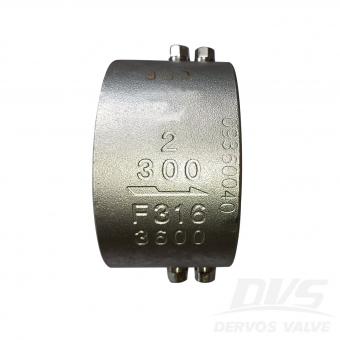
2" 300LB dual plate wafer check valve is made according to API 594 standard. The valve body is made of A182 F316. It has the structural characteristics of double disc. Its connection mode is RF.
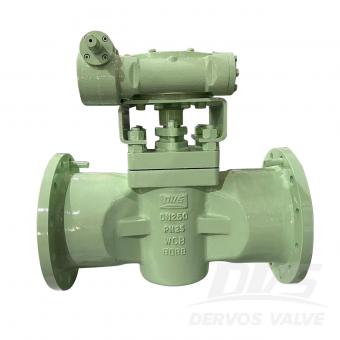
DN250 PN25 plug valve is made according to API599 standard. The valve body is made of A216 WCB. It has the structural characteristics of soft sealing plug valve. Its connection mode is RF. And it has turbine operation mode.
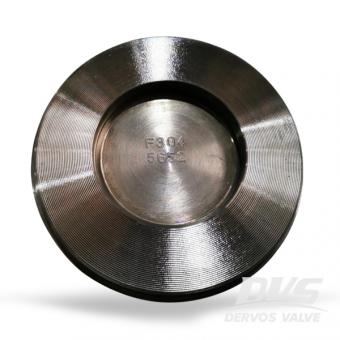
The single-disc check valve, made of CF8, has excellent resistance to corrosion. Designed in accordance with API594, the valve is of a WAFER type.
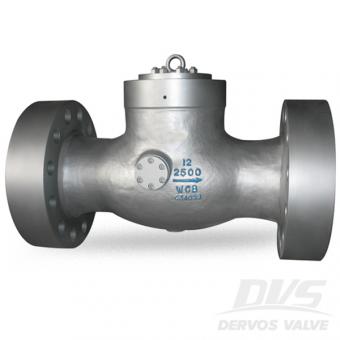
The 12 inch high pressure check valve is designed with pressure seal bonnet, RTJ flange, tilting disc, made of carbon steel WCB body and hard face sealing. Quick Detail Type Check Valve Size 12'' DesignPressure 2500LB Construction Pressure Seal Bonnet, Tilting Disc Type Connection RTJ Flange Design & Manufacture ASME B16.34 End to End ASME B16.10 Connection ASME B16.5 Pressure & Temp ASME B16.34 Test & Inspection API 598 Body Material A216 WCB Trim Material 13CR+STL Temp Range -29℃~+350℃ Media W.O.G. Product Range Body Material Range: WCB, WCC, WC1,CF8M, CF8, CF3, CF3M, LCB, LCC Size Range: 2”~60” (DN50~DN1500) End Connection Type: Flange End, Weld End Design Pressure Range: 150lbs~600lbs Temp Range: -46℃~ +425℃ Related Knowledge What is a tilting disc check valve? The disc of a tilting disc check valve has a pivot point at the center of it. It is desinged to overcome weaknesses of general type swing check valve. Compared to swing type check valve, the tilting check valve could remain fully open and steady at lower flow rates. That is to say, the swing check valve needs a high velocity of fluid to keep disc open and a higher cracking pressure. For low pressure situation, the pressure drop of a tilting disc check valve is much lower than the swing type. But at a higher flow rate, the tilting check valve has higher pressure drop than swing type.
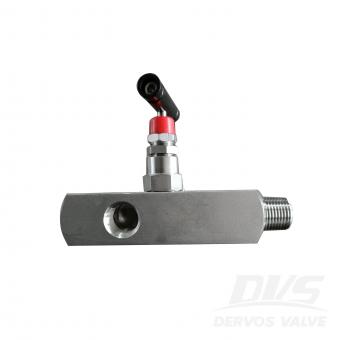
DN15 PN40 needle valve is made according to ASME B16.34 standard. The valve body is made of SS316. It has the structural characteristics of three-way. Its connection mode is F/M NPT. And it has lever operation mode.
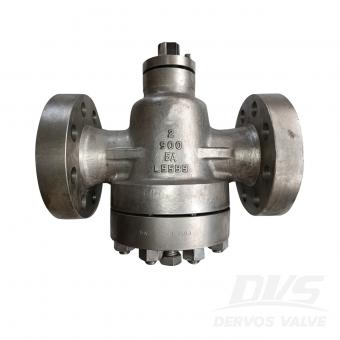
2" 900LB plug valve is made according to API 6D standard. The valve body is made of A995 5A. It has the structural characteristics of oil sealed and full bore. Its connection mode is RF. And it has lever operation mode.
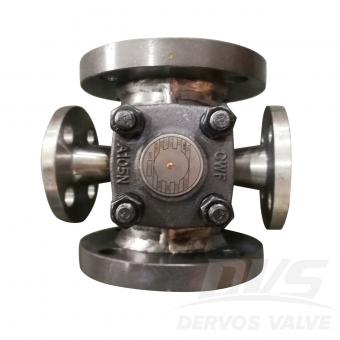
1" 150LB swing check valve is made according to API 602 standard. The valve body is made of A105. It has the structural characteristics of bolt cover, swing type and full bore. Its connection mode is RF (Welded Flange).
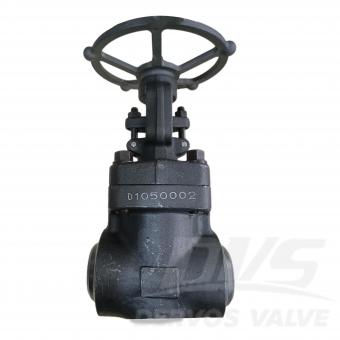
2 1/2" 600LB Forged Steel Gate Valve is made according to API 602 standard. The valve body is made of A105. It has the structural characteristics of Bolted Bonnet, Rising Stem, Solid Wedge, Renewable Seat, Full Bore. Its connection mode is BW. And it has hand wheel operation mode.

In 2017, DERVOS contributed to an innovative environmental initiative led by ECOFUEL, an emerging canadian player in clean technology. This groundbreaking project aimed to produce sustainable diesel from solid waste, setting a precedent in green energy solutions. DERVOS is proud to have provided 136 sets of premium valves to support this pioneering effort.
Copyright © 2015-2026 DERVOS VALVE CO.,LTD.All Rights Reserved Blog / Sitemap / XML / Privacy Policy