In high-temperature steam service, forged valve selection is less about naming gate, globe or check valves and more about deciding where the line needs isolation, controlled pressure drop or reverse-flow protection. A forged gate valve that works well as a normally open isolation valve can be the wrong choice if operators expect it to control warm-up flow during startup. A forged globe valve may handle throttling better, but it also brings higher pressure drop. A check valve protects equipment from reverse flow, yet it can become a water hammer problem if the closing behavior is ignored.
That is the useful starting point for thermal power plants: choose the valve by system duty first, then verify material, bonnet design, end connection, trim, operation method and inspection documents.
Forged valves are commonly selected for small- and medium-bore high-pressure steam, boiler drain, vent, bypass, sampling, auxiliary steam and feedwater service because forged bodies provide dense, directionally worked material and compact pressure-retaining geometry. This does not mean forged is always “better” than cast. Large main steam isolation valves may still be cast or specially engineered depending on size, class and design code. Forged construction becomes especially attractive where high pressure, thermal cycling, compact layout and leakage risk meet in the same line.
A common procurement mistake is asking for “forged valve for high temperature” without defining the steam condition. Saturated steam, superheated steam, reheated steam, boiler feedwater and condensate do not impose the same risks. The valve may face creep, thermal fatigue, erosion, flashing, seat scoring, packing stress relaxation or body-bonnet leakage depending on the exact location.
Forged gate valves belong where the line needs full open or full closed service. When fully open, the flow path is relatively straight, which helps reduce pressure loss in steam and feedwater lines. In thermal power plants, they are often considered for boiler isolation, drain headers, vent lines, high-pressure auxiliary steam and other services where throttling is not the normal duty.
The danger comes when a gate valve is used as a rough control valve. During partial opening, high-velocity steam can attack the gate and seat edges. Vibration may mark the sealing surfaces, and the operator may later discover that the valve no longer isolates tightly when it matters. If the plant needs controlled warm-up, pressure equalization or startup flow, a bypass arrangement or a globe-type valve is usually a better engineering answer than abusing the gate valve.
For severe pressure and temperature, bonnet design also matters. Bolted bonnet forged gate valves are common in many Class 800 or Class 1500 services, but pressure seal bonnet designs become more relevant as pressure increases. Still, pressure seal construction should not be selected by pressure class alone. The engineer also has to check temperature, body material, gasket or seal ring design, pipe stress, operation frequency and maintenance accessibility.
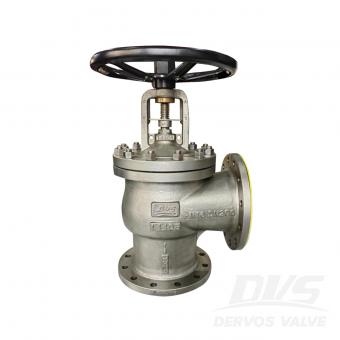
Forged globe valves earn their place where shutoff and regulation are both part of the duty. Their flow path creates more pressure drop than a gate valve, but the disc and seat geometry is better suited to controlled opening, pressure reduction and warm-up service.
In power plants, that makes globe valves relevant for boiler drains, vents, bypasses, auxiliary steam, sampling lines and startup systems. A Y-pattern globe valve may be considered when the project wants lower pressure drop than a conventional straight-pattern globe valve while keeping better throttling behavior than a gate valve.
The hard question is not “can a globe valve handle steam?” It is whether the trim can survive the pressure drop and velocity. High-temperature steam can cut soft or poorly matched seating surfaces. Repeated modulation can wear the disc, seat and stem packing. For severe service, hardfaced seating surfaces, guided disc design, suitable stem material, graphite packing and correct actuator sizing may matter more than the basic valve name.
Forged check valves are used where reverse flow could damage pumps, disturb boiler feedwater systems or create unsafe backflow. But check valve selection in steam and feedwater service is not just a materials decision. It is a dynamic flow problem.
A swing check valve may be acceptable in stable flow, but it can slam if the flow reverses quickly. Lift or piston check valves may suit smaller high-pressure lines, but they need enough differential pressure to open reliably and must be installed in the correct orientation. In some steam or feedwater services, the wrong check valve can chatter because the normal flow is below the valve’s stable operating range.
That is why minimum flow, pump trip behavior, vertical or horizontal installation, pressure pulsation, closing speed and maintenance access should be part of the RFQ. If the buyer only specifies “forged check valve, Class 1500, SW ends,” the supplier still does not know whether the valve will operate steadily or fight the system every time flow changes.
For carbon steel steam service, ASTM A105 or similar forged carbon steel may be adequate within the applicable pressure-temperature rating. As temperature and creep risk increase, chromium-molybdenum alloy steels such as F11, F22 or F91 may enter the discussion.
F91 or P91 is not a casual upgrade. It is a creep-strength-enhanced ferritic steel used in severe high-temperature service, but it also makes welding, heat treatment, traceability and repair practice less forgiving. If a valve uses F91 body material with butt-weld ends, the project should review welding procedure qualification, post-weld heat treatment expectations, material certificates, hardness control and compatibility with the connected piping. A stronger material on paper can become a field problem if fabrication control is weak.
Trim selection deserves the same attention. Steam erosion usually appears first at seats, discs, guides and throttling edges. Stellite or other hardfacing may be specified for wear resistance, but hardfacing is not magic. The seat design, contact stress, lapping quality, thermal expansion and operating method still decide whether the valve remains tight after service.
Socket weld and threaded ends are common on small forged valves, but high-temperature steam service often pushes buyers toward welded connections where leakage risk must be minimized. Butt-weld ends are typical in severe pressure-temperature duties, while flanged ends may be chosen where maintenance removal is more important and the rating allows it.
The strongest RFQ for power plant forged valves describes the steam system duty before it lists the valve type. Include line service, pressure class, design temperature, operating temperature, medium, valve function, pipe material, end connection, bonnet type, trim requirement, operation method, testing standard, MTC requirement, NDE or PMI requirement and whether the valve will be used for isolation, throttling, warm-up or reverse-flow prevention.
For thermal power plants, the practical selection rule is simple but strict: use forged gate valves for isolation, forged globe valves where controlled pressure drop is expected, and forged check valves only after reviewing the actual flow behavior. Then confirm that material, bonnet, trim, end connection and documents match the steam duty rather than the catalog category.
Copyright © 2015-2026 DERVOS VALVE CO.,LTD.All Rights Reserved Blog / Sitemap / XML / Privacy Policy